
AI news ·
Responsible AI in Healthcare: Innovating Safely to Enhance Patient Care and Clinician Workflows
AI can ease healthcare challenges by saving time and improving collaboration, but responsible integration with clinical workflows and human oversight is essential.
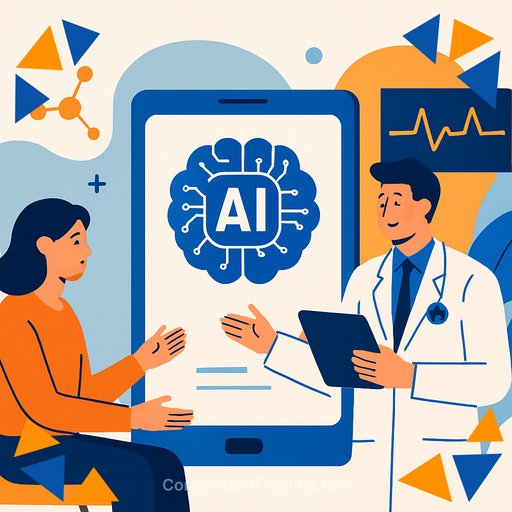
Easing Healthcare Challenges with a Responsible Approach to Innovation and AI
Healthcare systems worldwide face serious challenges in improving patient care and operational efficiency. Artificial intelligence (AI) and innovation offer promising solutions, but only when applied responsibly. According to the World Health Organization (WHO), one in every ten patients is harmed during healthcare, with unsafe care contributing to over 3 million deaths annually. Alarmingly, up to half of this harm is preventable.
Addressing these issues calls for a blend of clinical expertise and technology. Delivering information that is accurate, meaningful, and responsible is essential to making progress in healthcare.
The Scale of Current Healthcare Challenges
The shortage of healthcare workers is a critical issue, with WHO projecting a global shortfall of 11 million health workers by 2030, mostly affecting low- and lower-middle-income countries. Mental health struggles among healthcare professionals are also widespread. In Europe, up to 40% of healthcare workers experience depression and anxiety, and 70% report burnout.
Meanwhile, patient care is becoming more complex. Physicians face more decisions within the same consultation time, managing drug interactions and multiple chronic conditions. Research shows clinicians make around 158 decisions daily, many impacting patient safety.
Adding to the strain, medical knowledge doubles approximately every 73 days. Clinicians spend as much time on electronic medical records (EMRs) as with patients, yet many EMRs do not integrate well with clinical workflows, making it difficult to meet time and cost-saving goals.
Small Improvements Can Lead to Big Gains
AI innovations could ease these burdens, even through minor time savings. At the HLTH 2024 conference, healthcare providers expressed enthusiasm for AI’s potential to save just a few seconds per task. Though small individually, these increments accumulate to significant organizational benefits.
AI can also support collaboration across care teams. When incremental improvements in physician workflows combine with gains across the care team, the total impact becomes substantial.
Integration: The Key to Successful Innovation
To maximize benefits, AI tools and clinical solutions must integrate smoothly with existing EMRs and clinical workflows. Partnerships between solution providers help create seamless access to critical information throughout the patient care journey.
For instance, evidence-based clinical decision support can be embedded in various tools and platforms, enhancing remote and hospital-based care. Strategic integration efforts, like those seen in Greece’s telemedicine services and Malaysia’s hospital networks, demonstrate how combining resources leads to better outcomes.
Setting Standards for Responsible Clinical GenAI
AI in healthcare is still emerging, and its safe use requires clear values and ethical practices. Responsible AI means developing technologies that assist without causing harm.
Healthcare content sources that are trusted for their accuracy must approach AI integration cautiously. Human oversight remains vital, ensuring AI outputs are carefully reviewed and refined before they influence patient care.
Healthcare demands near-zero error tolerance. Human experts collaborate closely with technology teams to maintain trustworthiness and responsibility in AI tools. While AI holds promise, it is still early days, and closing existing gaps will take time and careful human involvement.
For healthcare professionals interested in learning more about AI and its responsible application in clinical settings, exploring specialized training can be valuable. Resources like Complete AI Training’s latest AI courses offer practical guidance on applying AI thoughtfully in healthcare.