
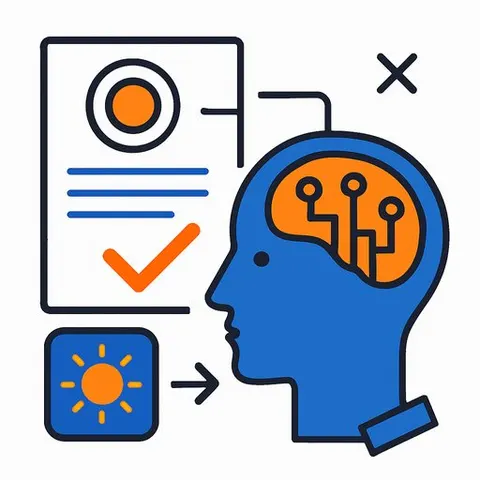
R/GA is launching the BRDNA Sequencer, a system that converts a company's brand guidelines into instructions AI tools can use. Arriving as a service for R/GA clients in September, it is designed to produce editable marketing emails, social assets and CRM systems without making teams restate their brand rules for every prompt.
Brand rules become machine-readable
The onboarding process brings together fonts, colours, layout rules, tone of voice, messaging, positioning, logos, packaging and examples of previous work. The system uses that material to become what R/GA calls a brand expert, then passes the relevant guidance to the AI platform handling the creative request.
R/GA says the Sequencer is platform-agnostic. A team could connect it to tools such as Claude or Figma, submit a plain-language request and receive an asset that follows the stored rules while remaining editable.
The first version is limited to static media, including email templates and social campaign assets. R/GA plans to add video generation later, so the current launch is narrower than a complete campaign-production system.
A product strategy built around independence
The launch follows R/GA's return to independence after 23 years within IPG. The agency reported a 27% revenue increase from 2024 to 2025 and has been investing in products that help clients execute campaigns, not only in the campaigns themselves.
That strategy also reflects R/GA's view that campaigns will become more responsive to live data and local conditions. Global chief business officer Sadie Thoma described the goal plainly: "These types of systems are meant to be living, so that they evolve and grow as technology evolves, and as your brand evolves."
R/GA has already tested that approach with Google Shopping. A 2024 campaign used data from Google Maps and Google Trends to change digital kiosk ads by location and current events across New York City.
Governance moves closer to production
The practical change is where brand control happens. Instead of checking every asset only after generation, teams can encode approved rules before a prompt reaches the production tool. Human review still matters because a machine-readable guide cannot judge every legal, cultural or strategic risk.
Companies evaluating this model will need clear ownership of the source guidelines, version control and approval steps for generated work. AI training for brand managers can help teams connect those controls to day-to-day brand decisions, while broader AI marketing training can support decisions about tools, measurement and workflow design.
Why this matters for creatives and marketing teams
BRDNA Sequencer is less about producing one clever asset than reducing repeated setup across a mixed tool stack. Creative teams should test whether the system follows real edge cases, keeps outputs editable and makes rule changes easy to audit before using it at scale.
Marketing leaders should also measure whether faster production improves campaign performance or merely increases output. The useful benchmark is not how many assets the system creates, but how consistently those assets meet brand, audience and business requirements.