
AI news ·
Shanghai Art-Tech Conference Highlights Human Creativity in the Age of AI
The Second Productivity Conference of Art and Technology in Shanghai highlights AI’s growing role in creative industries. Experts discuss collaboration, challenges, and new opportunities in art and technology.
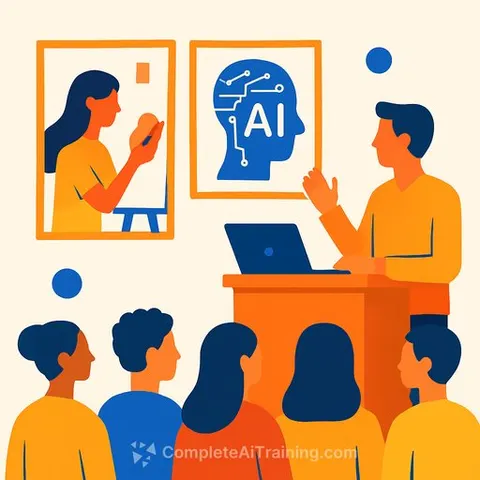
Shanghai Art-Tech Conference Explores AI’s Creative Frontier
The Second Productivity Conference of Art and Technology (PCAT) in Shanghai is putting a spotlight on how artificial intelligence is reshaping creative industries. Running through May 30, the event highlights both the challenges and opportunities AI brings to artistic fields, signaling a growing integration of technology and culture in this eastern city.
Zhang Weimin, dean of the USC-SJTU Institute of Cultural and Creative Industry, opened the conference by emphasizing that empowering artistic creation through technology is becoming a standard practice. He described the current era as one of “co-creation between humans and machines,” where AI-generated content and interactive metaverse experiences are changing the creative landscape.
Collaboration Between Art and Technology
The PCAT is now in its second year and is co-organized by Mana Synergies and the USC-SJTU Institute of Cultural and Creative Industry, a partnership between Shanghai Jiao Tong University and the University of Southern California. The conference aims to foster collaboration between the creative and technological sectors.
Zhang highlighted the essential role of human judgment in steering technological advances. With AI content generation, algorithm-driven aesthetic suggestions, and copyright issues presenting new challenges, he called on universities to develop interdisciplinary talent—professionals who combine aesthetic sensibility with technical skills and business understanding.
Building a Sustainable Art-Tech Ecosystem
Zhang Qinghong, Chairman of Mana Synergies, shared a vision for the conference to evolve into a hybrid platform that blends an art festival with an exhibition fair. This approach is intended to encourage industry partnerships and promote sustainable commercialization through performances, panel discussions, networking events, and trade opportunities.
AI’s Influence on Journalism and Media
For the second year, Shanghai-based Yicai Media Group and its English-language branch Yicai Global served as official media partners. Yang Yudong, editor-in-chief of Yicai, addressed how AI, social media, and information overload are reshaping journalism. He stressed that financial media must focus on professional rigor and data analysis to maintain authenticity and credibility while fulfilling the responsibility of reporting accurate information.
Voices from Art and Technology Leaders
The forum gathered key figures in the art-tech space, including:
- Zheng Fei, head of digital governance at Tencent Cloud East China
- Lin Fanjun, president of the Shandong Academy of Arts
- Yuan Qiao, deputy chief engineer at the Fudan Planning and Architectural Design and Research Institute
International new media artists also contributed virtually. Among them were Mariano Sardón, who combines neuroscience with computer animation, and Neil Mendoza, known for interactive installations that respond physically to spoken words. Soh Yeong Roh, founder of Seoul’s Nabi Art Center, and Alain Thibault, artistic director of Montreal’s Elektra International Digital Art Festival, shared their insights remotely.
This event reflects a growing dialogue on how AI intersects with creativity, encouraging creatives to adapt and engage with new tools and concepts shaping their work.
For those interested in expanding their skills on AI in creative fields, exploring courses on Complete AI Training can provide practical knowledge tailored to creative professionals.