
AI news ·
South Korea’s AI Textbook Project Faces Privacy Violations and Calls for Reform
South Korea’s AI textbook project faces scrutiny for privacy violations and insufficient data protections. The Personal Information Protection Commission urges corrective actions to comply with laws.
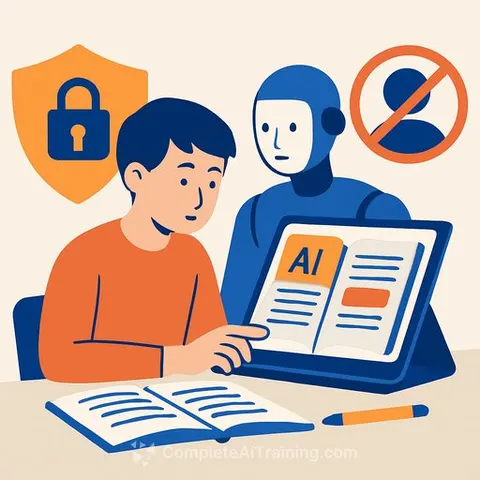
South Korea’s AI Textbook Project Faces Privacy Compliance Issues
South Korea's ambitious artificial intelligence textbook project has come under scrutiny by the country’s privacy regulator for its handling of personal information. The Personal Information Protection Commission (PIPC) has identified that some of the data protection measures either violate existing legal provisions or fall short of required standards.
According to the PIPC, these shortcomings range from insufficient safeguards to outright illegal practices. The commission has formally recommended corrective actions to the government agencies responsible for the project to ensure compliance with personal data protection laws.
Key Concerns Raised by the Regulator
- Legal Violations: Certain data handling procedures do not align with the Personal Information Protection Act, raising significant legal concerns.
- Insufficient Measures: Some protections currently in place are inadequate to guarantee the privacy and security of personal data involved in the AI textbook initiative.
- Need for Reinforcement: The project requires stronger data governance policies and technical safeguards to meet statutory obligations.
The PIPC's intervention highlights the challenges involved in managing personal information within large-scale AI projects. As AI initiatives increasingly involve sensitive data, strict adherence to privacy regulations becomes critical to maintain public trust and avoid legal penalties.
Implications for Legal Professionals
Legal experts advising AI projects or government agencies should be vigilant about the compliance status of personal data protection measures. This case underscores the importance of comprehensive data privacy assessments and ongoing monitoring to identify and rectify potential violations early.
Ensuring alignment with privacy laws not only mitigates legal risks but also supports ethical AI development standards. Legal teams may need to collaborate closely with technical and policy stakeholders to establish clear, enforceable data protection frameworks.
For those involved in AI and data privacy law, staying informed about such regulatory actions is essential. It also emphasizes the value of training on AI-related legal issues, which can be accessed through specialized courses like those available at Complete AI Training.