
AI news ·
Weave Acquires TrueLark to Transform Healthcare Front Desks with Conversational AI
Weave acquired TrueLark to automate healthcare front desk tasks using AI, improving patient communication via familiar phone systems. This reduces staff workload and wait times.
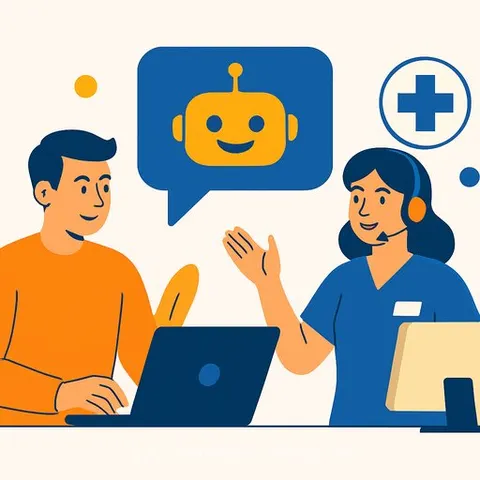
Weave Acquires TrueLark to Transform Healthcare Front Desk Operations
Weave announced the acquisition of TrueLark, a conversational AI company, signaling a shift in how small and mid-sized healthcare practices manage patient engagement. This move focuses on automating front-office functions like scheduling and communication, tackling inefficiencies that often frustrate patients and staff alike.
Instead of pushing patients toward apps or portals, Weave uses the familiar phone as the core of its innovation. This approach maintains seamless, AI-powered interactions that boost patient satisfaction while easing the workload on healthcare teams. AI tools are becoming standard expectations in healthcare, streamlining operations, reducing burnout, and improving the patient experience.
Addressing Front Office Bottlenecks
Healthcare front desks have long been a source of friction, especially in smaller practices where resources are limited. The traditional methods often require patients to wait on hold, navigate confusing systems, or fill out paperwork. Weave, a customer experience and payments platform, aims to change this by integrating TrueLark’s AI-driven automation into everyday workflows.
Marcus Bertilson, COO at Weave, emphasized the goal is to create an intelligent operating system that modernizes how practices handle scheduling and communication. “The experience of engaging or scheduling or rebooking or getting answers to your questions from your healthcare practice … is not very modern,” he said. Patients expect quick responses but often face long waits.
The Phone at the Center of Innovation
The innovation Weave and TrueLark bring starts with the phone — a simple, trusted technology that remains the cornerstone of patient-practice communication.
By building on the practice’s established phone number, communications stay familiar and uncomplicated for patients and staff. This foundation allows AI to enhance the experience without forcing patients to adopt new platforms.
How AI is Changing Healthcare Front Desks
TrueLark’s conversational AI lets patients interact with their healthcare provider anytime to book, rebook, or ask questions without waiting on hold or filling out forms. This technology reduces the administrative burden on staff while improving the patient experience.
- Automated appointment scheduling
- Real-time rescheduling based on availability
- Answering common patient questions
- Appointment reminders
Bertilson pointed out the difference this makes on busy days: after weekends, staff typically face overflowing voicemails and inboxes. With TrueLark, most routine issues are handled automatically, leaving only a few cases that require human attention.
Rather than replacing staff, AI acts as a tool to empower them. This is especially important for single-office practices where front-desk workers juggle many tasks. “We believe this is really augmenting and giving the staff a superpower,” Bertilson said.
The Future of AI in Healthcare Communication
When asked when AI will stop being marketed as AI and just become part of normal software, Bertilson agreed it’s already happening. TrueLark was built quietly before the AI label became popular.
He added that healthcare practices relying on outdated phone systems that require patients to wait on hold will fall behind. Once patients experience fast, reliable AI-assisted communication, it becomes the new standard.
This shift mirrors changes seen in other industries where customer expectations have evolved to expect immediate and simple interactions.
For healthcare professionals interested in understanding or implementing AI-driven tools, exploring practical AI training options can be valuable. Resources like Complete AI Training offer courses tailored to help healthcare teams integrate automation effectively.