
AI news ·
Why Brands Are Shifting from AI to Authenticity on Social Media
Some brands avoid AI in social media to protect human creativity and authenticity. Sharing behind-the-scenes content can build trust and engage audiences more effectively.
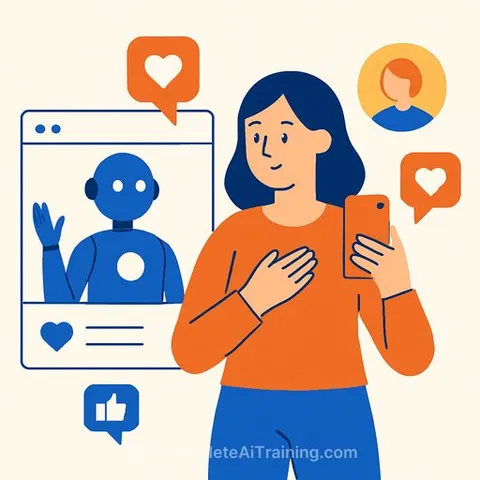
Why Some Brands May Shun AI in Social Media Marketing
The AI surge has swept through many industries, including social media marketing. Brands are eager to tap into AI-driven efficiency, with companies like Duolingo embracing an “AI-first” approach and job listings increasingly demanding AI skills. Creative teams, however, are cautious. Many view AI as a threat to jobs and worry about the loss of genuine human creativity in content.
Despite the excitement around AI trends—like ChatGPT-generated content—some experts believe brands might take a different path. Social media consultant Rachel Karten suggests a rise in what she calls “proof of reality.” Instead of leaning on AI, brands could use their social channels to highlight authentic human creativity and craftsmanship behind their content.
The Concept of “Proof of Reality”
Karten’s idea came from a behind-the-scenes clip for the Apple TV+ show The Studio, which showcased the intricate process behind a complex continuous shot. This kind of transparency resonates with audiences tired of low-effort or AI-generated content. Marken believes brands will increasingly share how posts are made to build trust and emphasize genuine human effort.
Behind-the-scenes content often outperforms polished ads in engagement because it feels more real and relatable. Still, some companies are taking the opposite approach. Coca-Cola faced backlash after openly using AI in its holiday ads, and brands like H&M plan to use AI-generated models. Even athleisure brand Set Active admits to using AI tools like Midjourney for social content.
The Risks of AI in Brand Social Media
For smaller businesses, AI can be tempting as a quick way to jump on trends and create content. But Karten warns that AI usage carries risks. Negative reactions can spread quickly, with dissatisfied customers potentially creating viral content that damages brand reputation.
“If you upset some customers, it’s not just a few lost sales,” Karten notes. “A viral TikTok bashing your brand can snowball fast.” This risk makes it crucial for brands to carefully consider how and when to use AI in social media.
When AI Makes Sense
Freelance brand designer Julie Christie-Clark sees AI as a valuable tool, especially for small businesses with limited budgets. She uses Adobe’s AI tools like Firefly and Express to create professional-grade graphics when brand photography or stock images aren’t feasible.
Using AI can speed up brainstorming, design, and delivery, but Christie-Clark emphasizes the importance of brand safety features. Adobe Express’s VP Ian Wang highlights that their AI models are trained on brand-specific data to ensure outputs align with the brand’s look and feel. This approach helps AI-generated content stay authentic and commercially safe.
The Gray Areas of AI Creativity
As AI tools become more common, some worry about originality. Karten has noticed AI-generated images that closely resemble past campaigns, raising questions about how AI influences ideation and creativity. When AI uses existing brand mood boards, the line between original work and derivative content can blur.
Brands need clear guidelines on how to integrate AI without losing their unique creative voice.
Moving Beyond the Hype
Initially skeptical, Christie-Clark now embraces an AI-first workflow, using AI not just for brainstorming but also in final products. This shift reflects growing confidence in AI quality and usefulness.
Wang stresses that for AI tools to be valuable, they must go beyond novelty and support daily creative work. The goal is to bridge the gap between fun experimentation and practical application, making AI less intimidating and more accessible to marketers.
Key Takeaways for Marketing and Communications Professionals
- Authenticity is becoming a competitive advantage. Sharing behind-the-scenes content and highlighting human creativity may resonate more with audiences wary of AI-generated content.
- Use AI thoughtfully. While AI can boost productivity and creativity, it carries risks, including potential backlash and dilution of originality.
- Brand safety matters. Leveraging AI tools with brand-specific training ensures outputs align with your identity and values.
- Small businesses can benefit. AI offers affordable ways to produce professional content when traditional resources are limited.
- Stay informed. The AI landscape in marketing is evolving—keeping up with tools and best practices will help you make smarter decisions.
For marketers looking to build practical AI skills and understand the best ways to integrate AI tools into their workflows, resources like Complete AI Training’s latest AI courses offer hands-on guidance tailored to marketing professionals.