
AI news ·
Writers use drafts and notes to dispute false AI detection scores
Writers falsely flagged by AI detectors should defend their work using process records. Providing three saved drafts proves authorship faster than arguing over detection scores.
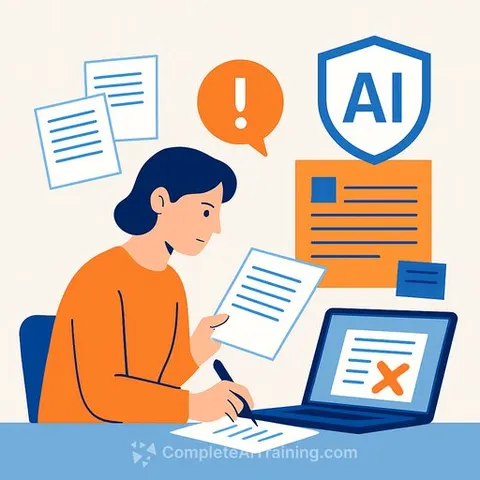
Original writing is increasingly flagged as AI-generated, leaving students, freelancers, and professionals scrambling to defend work they created themselves. A single detection score can cast doubt on hours of research and revision, but a methodical response-grounded in process records rather than panic-often clears the confusion faster than arguing about the technology.
Start by clarifying the concern
Ask what exactly triggered the question. Was it a full document, a single paragraph, or a mismatch with previous writing style? Request the specific policy on AI use, if one exists. A school, employer, or client may have written guidelines that define permitted tools. Knowing whether the issue involves a ChatGPT detector like ZeroGPT or a subjective observation shapes the conversation. A paragraph flagged for predictable sentence structure requires a different explanation than a report questioned because it sounds too polished.
Ask to see the detection result and request an opportunity to walk through the writing process. This shifts the discussion from a single percentage to the work behind the words.
Document your writing process
Academic essays leave trails. Outlines, source notes, and early drafts show how an argument developed. Version histories in document platforms capture sentences being added, cut, and rewritten over several days. A student who can point to three saved drafts and a browser history full of research sessions has a stronger case than one who simply insists the work is original.
Professional reports and freelance articles generate similar evidence. Meeting notes, spreadsheet data, email feedback, and tracked changes reveal how a document evolved. Calendar invitations place the work within a timeline of deadlines and reviews. Freelancers often keep interview recordings, client messages, and link collections that map the project from assignment to final draft.
For job applications, specificity matters. A cover letter that connects a candidate's past results to the requirements of a specific role carries more weight than generic claims. During an interview, being able to elaborate on the projects, numbers, and challenges mentioned in the application helps employers judge authenticity, regardless of how polished the language appears.
Understand detection limits
AI detection tools look for patterns: sentence predictability, structural consistency, word frequency. Formal writing and heavily edited text can naturally trigger these signals. Different detectors often return different scores for the same passage. A AI for Writers training can help writers understand why their own polished prose might be mistaken for machine output. ZeroGPT or another ChatGPT detector may offer a reference point, but no automated score establishes how a document was created. Treat any result as one piece of context, not a verdict.
Approach the conversation constructively
Request a clear explanation of the concern, the relevant policy, and any review process. Keep the exchange professional and preserve a written record. Before a meeting, gather original drafts and supporting materials without altering them. Present the files in chronological order so the timeline is easy to follow.
Students can consult an academic adviser. Employees should review workplace policies and consider involving a manager or HR representative. The right response depends on the seriousness of the allegation and the institution's procedures.
Why this matters for writers
Fluent text is now easy to produce, which means original work will face more scrutiny. Keeping basic process records-saved drafts, outlines, source lists, version histories-gives you a factual defense when questions arise. No single piece of evidence resolves every case, but a clear account of research, drafting, and revision, combined with institutional policies and a calm conversation, provides a far more complete picture than any detection score alone.