AI tool
3AM Super Intelligence
3AM Super Intelligence is an AI on-call engineer that diagnoses production issues and proposes fixes, running inside your network. It proves root causes with live system checks and waits for human approval before any change. It is built for engine...
About 3AM Super Intelligence
3AM Super Intelligence is an AI on-call engineer built for production systems that teams cannot rewrite. It operates inside a user's own network, finds root causes by running live checks against the actual systems, and executes fixes only after human approval. The tool is currently in an open alpha stage.
Review
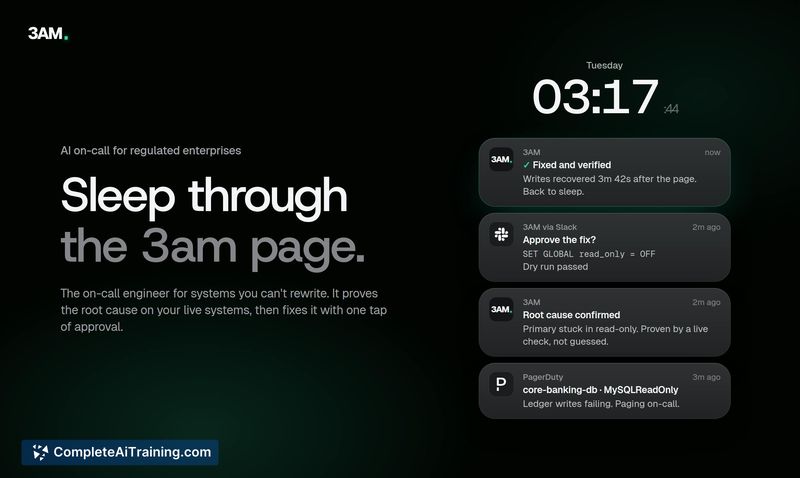
3AM Super Intelligence enters the on-call space with a specific focus: production incidents where a rewrite isn't an option. The tool runs locally, performs dry-run rehearsals before any change, and waits for a person's approval in Slack or similar channels. This review examines what the alpha release actually ships, what remains on the roadmap, and where the tool fits.
Key Features
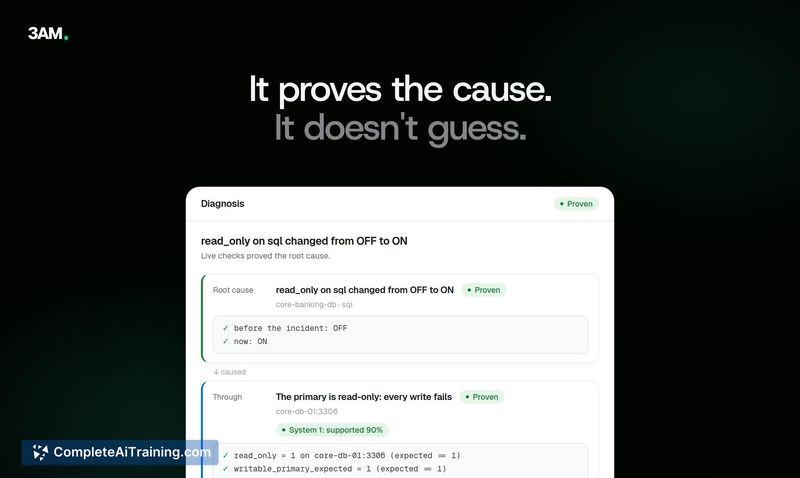
- Root-cause analysis backed by live checks against your systems, not probabilistic text generation. When proof is unavailable, 3AM reports that gap instead of guessing.
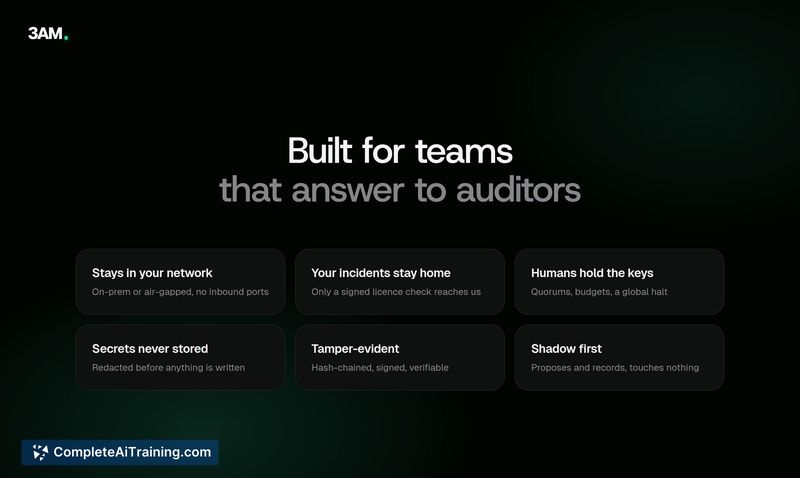
- Fully on-premise deployment with no inbound ports. The tool works air-gapped, and the only external communication is a signed license check.
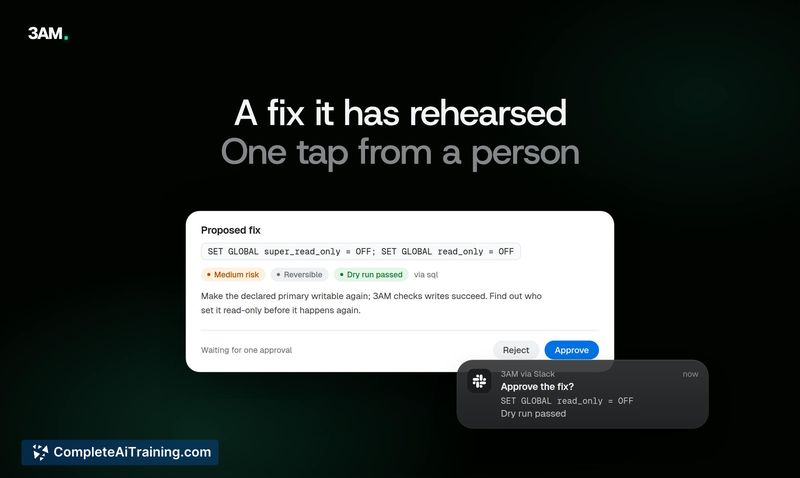
- Shadow mode as the default starting state. 3AM watches, proposes fixes, and changes nothing until a human approves each action.
- Every fix undergoes a dry-run rehearsal before execution. A hash-chained audit log records all steps for compliance review.
- Approval workflows through Slack, Symphony, PagerDuty, xMatters, or email. Escalating autonomy requires two separate approvers.
Pricing and Value
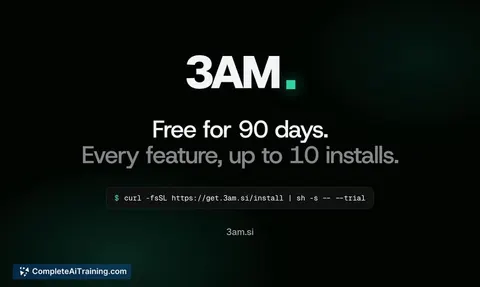
The makers state that the first 90 days are free during the open alpha period. Long-term pricing has not yet been defined. The product is incorporated via Stripe Atlas and uses Stripe Payments, but no subscription tiers or usage-based rates appear in the current release materials.
Pros
- Live system checks produce root-cause evidence rather than text predictions, which addresses a common complaint about AI confidence in production contexts.
- Deployment stays entirely within the user's network, meeting the data-residency requirements of banks, insurers, and telecoms.
- Shadow mode and mandatory human approval keep the engineer in control of every production change.
- Dry-run rehearsals and hash-chained audit logs create a verifiable record that regulators can examine.
- The team tests against a real 244,000-line Java codebase with 67 deliberate breakage scenarios, and treats zero harmful actions as a release gate.
Cons
- The tool is in open alpha, so stability, model performance across diverse stacks, and long-term maintenance remain unproven outside the vendor's test environment.
- No pricing model has been published. Teams evaluating budget commitments have no data beyond the initial 90-day free window.
- 3AM is not well suited for small teams or hobby projects that lack formal incident response workflows or compliance requirements. The approval chain and audit logging add process overhead that lightweight setups may not need.
Teams running regulated production systems that cannot move to managed cloud services will find the on-premise, air-gapped design relevant. The shadow-mode default and two-approver escalation model fit environments where audit trails are mandatory. Organizations with simpler infrastructure or less stringent compliance needs may find the process overhead outweighs the benefit at this early stage.