AI tool
AgentSDR
AgentSDR is an open-source outbound sales platform that unifies email, LinkedIn, and WhatsApp outreach into a single inbox. It is built for sales teams who want to self-host their stack and avoid per-seat fees by using their own API keys.
About AgentSDR
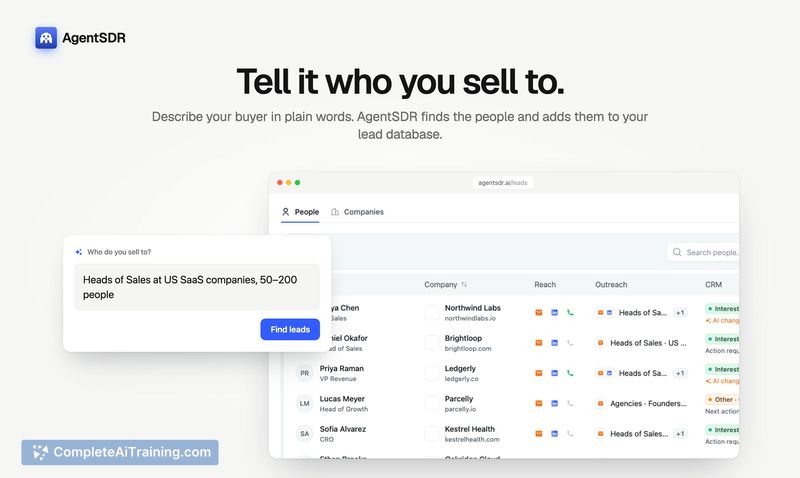
AgentSDR is an open-source AI sales development workspace released as an initial v0.1 build. It consolidates lead data, multi-channel outreach, and reply management into a single self-hosted platform. The tool runs email sequences, LinkedIn campaigns, and WhatsApp outreach with built-in enrichment, and uses an AI-driven CRM to auto-classify replies and generate draft responses.
Review
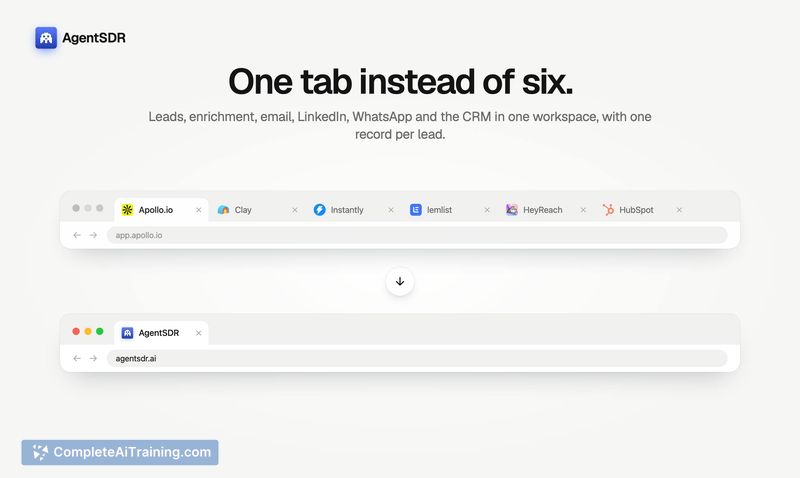
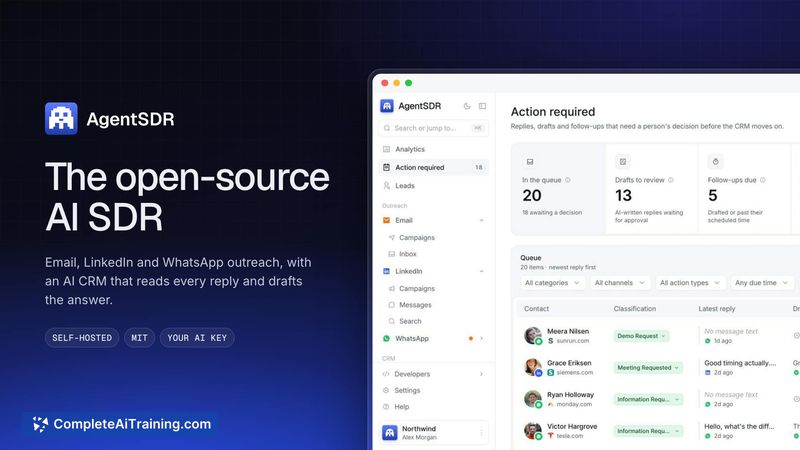
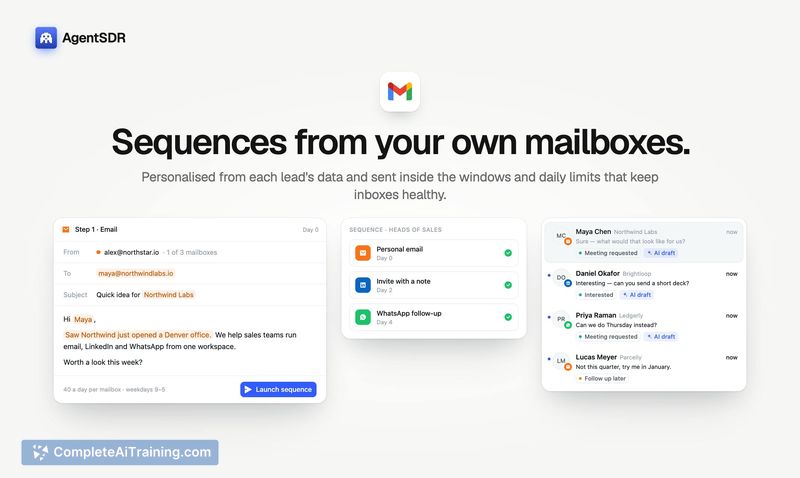
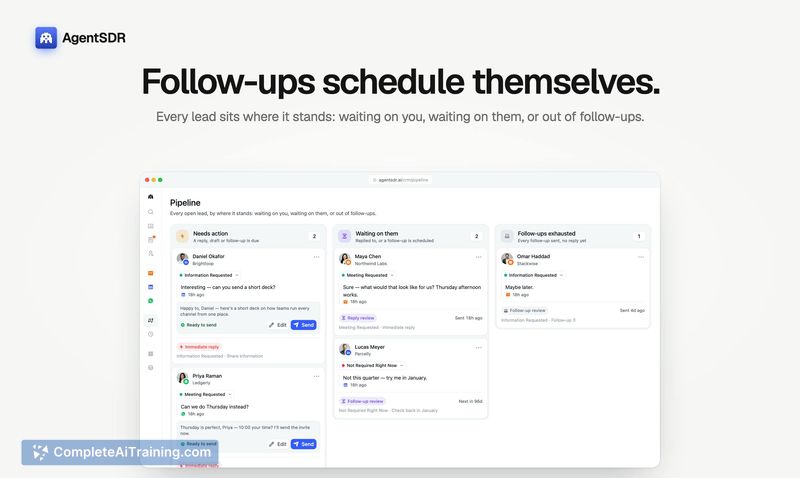
AgentSDR enters the outbound sales space as a self-hosted alternative to assembling a stack of separate tools. It combines a lead database, enrichment, sequencing, and a unified inbox under the MIT license. Because users supply their own API keys and infrastructure, the platform sidesteps per-seat and per-contact charges that are common in this category.
Key Features
- Unified Lead Database - A central repository for contacts and companies that the tool treats as the single source of truth across all outreach channels.
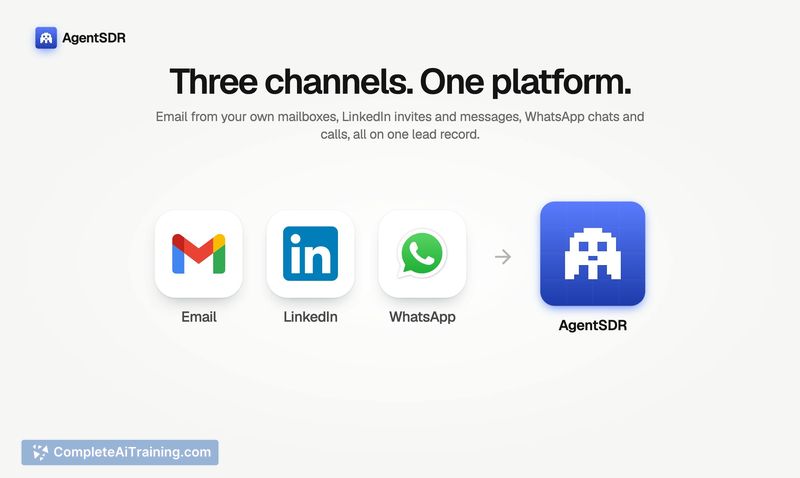
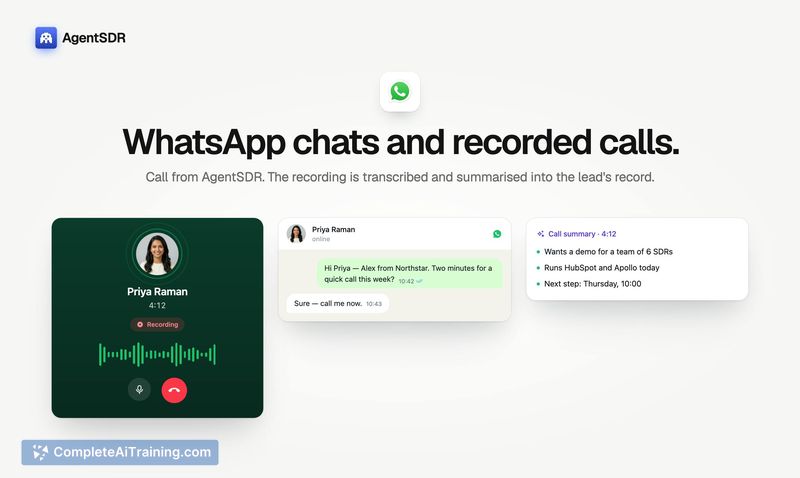
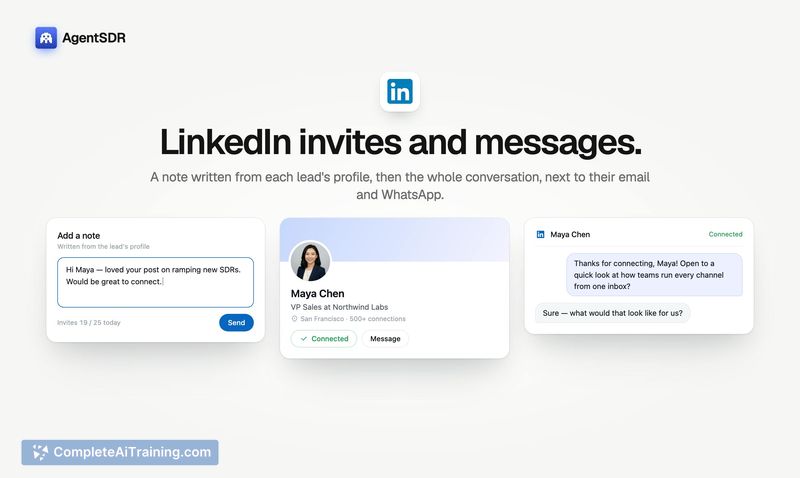
- Multi-Channel Outreach - Native sequencing for email (via Google Workspace), LinkedIn invites and messages, WhatsApp messaging, and recorded phone calls from one interface.
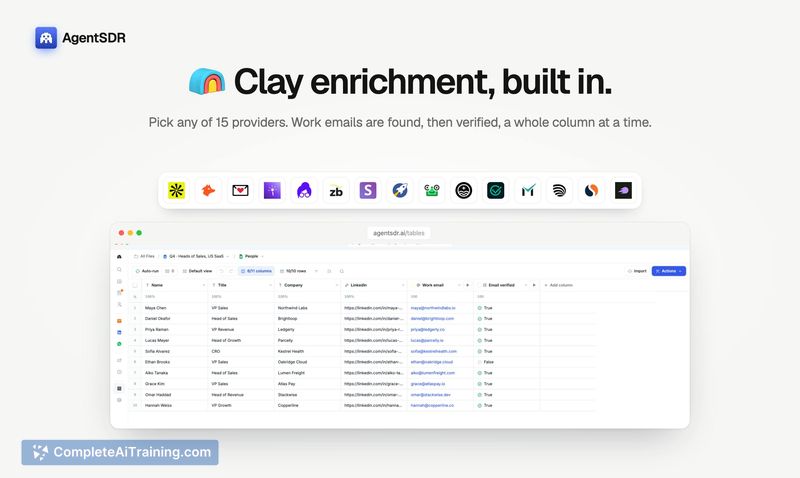
- Smart Enrichment - Connects to 15 data providers and supports custom AI columns for deeper research on leads.
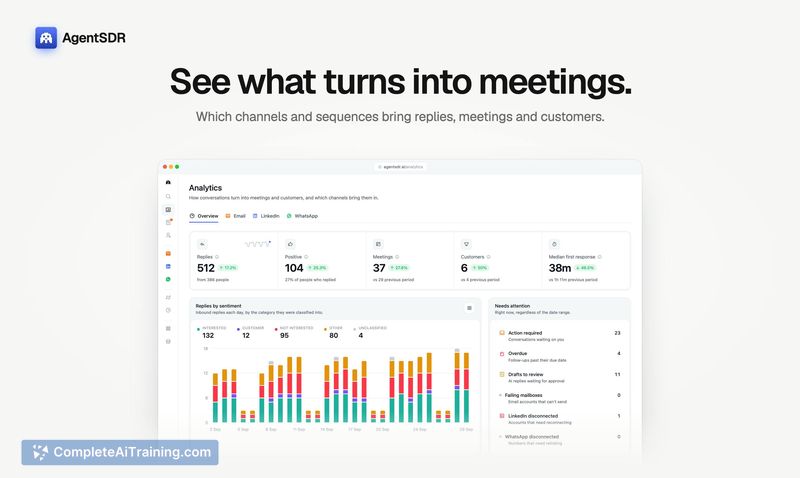
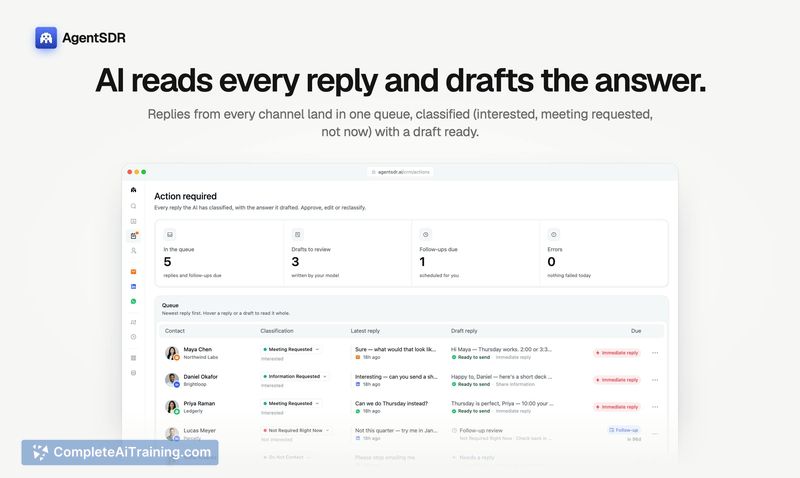
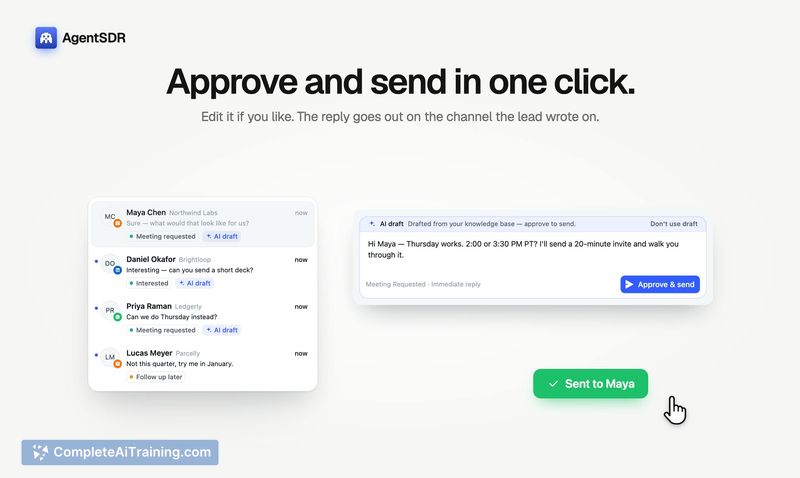
- Unified AI CRM - Cross-channel replies sync into a single inbox, where the system auto-classifies responses and prepares AI-generated drafts for one-click approval.
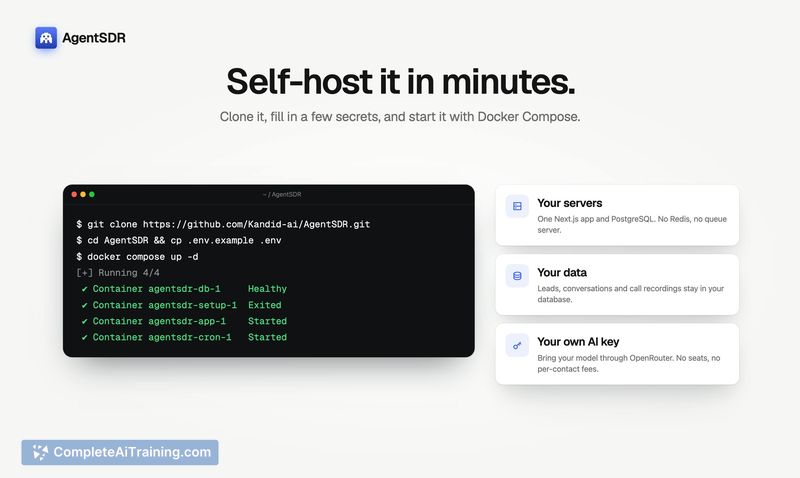
- Self-Hosted Architecture - Runs on the user's own infrastructure with their own API keys for Google/Microsoft Workspace, Unipile, OpenRouter, and Cloudflare R2.
Pricing and Value
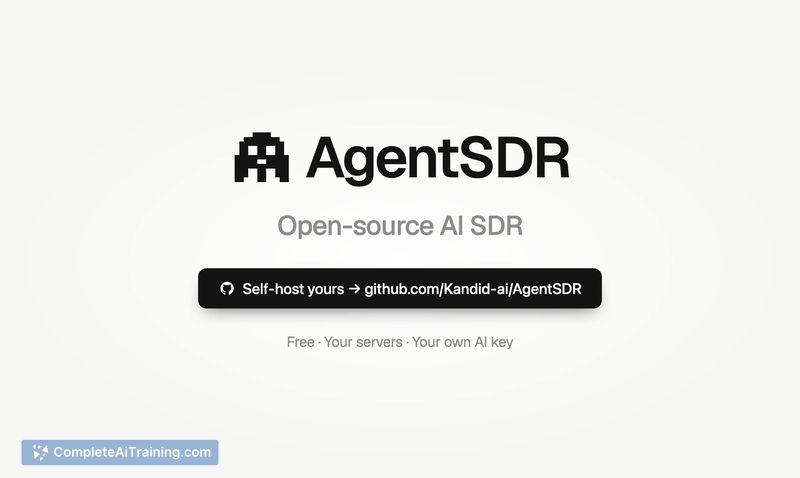
AgentSDR is free and open-source under the MIT license. There are no seat limits, per-contact fees, or vendor lock-in built into the platform itself. Users shoulder the costs of their own infrastructure, API usage, and email sending accounts. The pricing model for any future managed or cloud-hosted version has not yet been defined.
Pros
- No per-seat or per-contact pricing - the codebase itself imposes zero usage-based fees.
- Full data ownership since everything lives in the user's own database and cloud storage.
- Multi-channel reply aggregation pulls LinkedIn and email conversations into a single threaded inbox.
- MIT license permits auditing the codebase and modifying it to fit specific workflows.
- AI reply classification and draft generation can cut down manual inbox triage time.
Cons
- Self-hosting places deliverability responsibilities - domain warming, IP reputation, and sender score management - entirely on the user. The tool does not handle that layer.
- As a v0.1 release, the feature set is early; integrations, stability, and documentation are likely still maturing.
- Teams without technical staff to manage self-hosted infrastructure and API configurations will find the setup impractical.
AgentSDR fits small to mid-size outbound teams that have the engineering resources to run and customize a self-hosted stack. It's less suited for organizations that want a fully managed service with built-in deliverability infrastructure and hands-off maintenance. For technically capable users who already own warmed-up sending domains and want to escape recurring SaaS fees, the tool consolidates several functions that would otherwise require four or five separate subscriptions.