AI tool
Ava 2.0
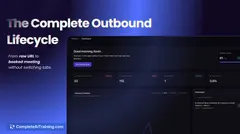
Ava 2.0 automates outbound sales: finds and enriches leads from 300M+ contacts, detects intent, runs personalized multi-channel campaigns, handles replies and objections, and books meetings-an all-in-one autonomous outbound engine.

About Ava 2.0
Ava 2.0 is an AI business development representative (BDR) that runs outbound sales autonomously. It discovers leads from hundreds of millions of profiles, conducts personalized multi-channel outreach, handles replies and objections, and books qualified meetings without a human in the loop.
Review


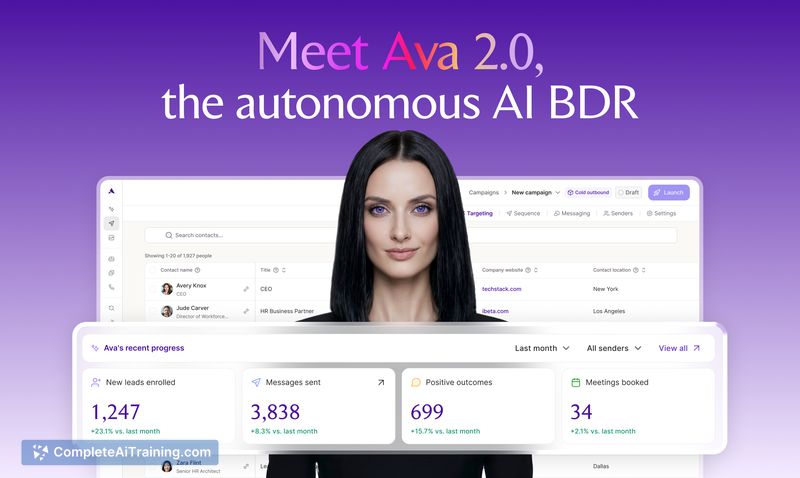
This review covers Ava 2.0's core capabilities, how it integrates into a sales stack, and practical trade-offs to consider. The focus is on autonomy, data coverage, campaign controls, and where human oversight is still useful.
Key Features
- Fully autonomous outbound campaigns that source leads, sequence outreach, and book meetings.
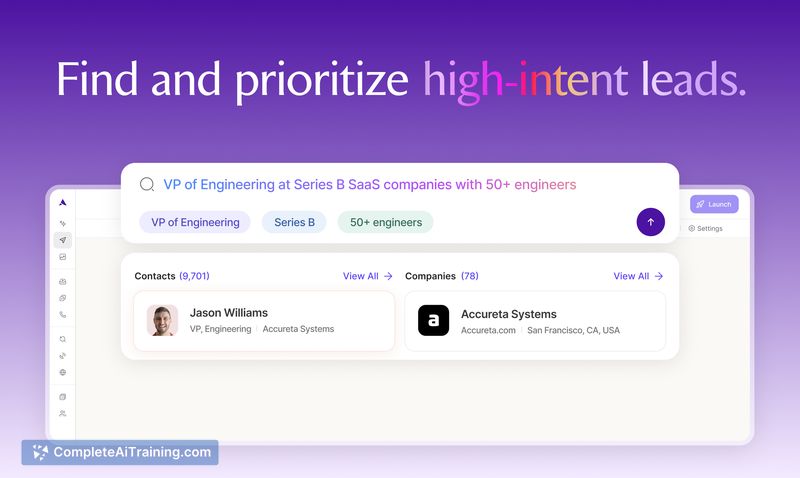
- Lead sourcing and enrichment across 300M+ professional contacts plus a large local business database and multiple enrichment providers.
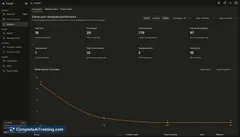
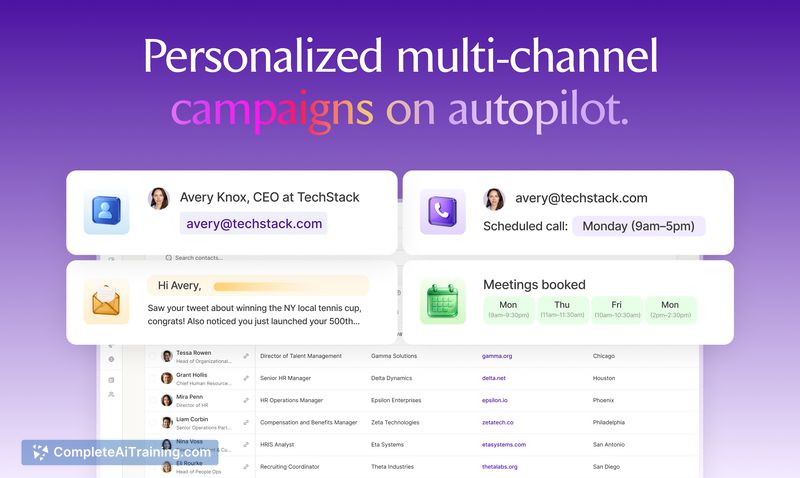
- Multi-channel outreach with multivariate testing and automatic optimization based on response and conversion signals.
- AI-driven reply handling and objection management with configurable escalation rules to route uncertain cases to humans.
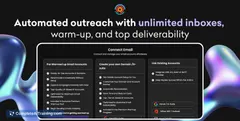
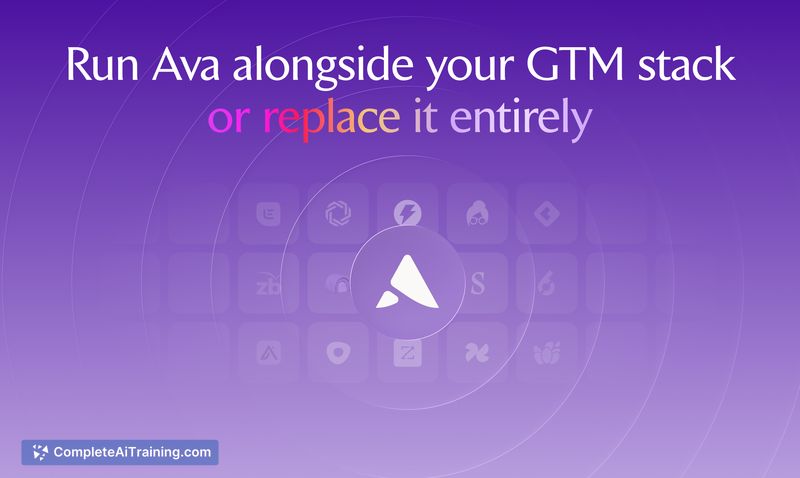
- Integrated sales stack: discovery, enrichment, intent signals, sequencing, dialer, and deliverability infrastructure in one product.
Pricing and Value
Public pricing details are limited on the product page, but the offering includes a trial credit promotion (new users receive $300 in free credits with no credit card required). The likely pricing approach combines subscription tiers and usage-based credits for outreach and enrichment; buyers should request a detailed quote and pilot to estimate return on investment. For teams that currently hire and manage SDRs, the service may deliver cost savings and speed, but actual value depends on deliverability, target lists, and the quality of configuration and oversight.
Pros
- Significant automation that can reduce repetitive SDR tasks and accelerate pipeline generation.
- Large contact coverage and layered enrichment increase the chance of finding relevant leads.
- Reply handling and escalation rules let the system manage many inbound scenarios without manual intervention.
- All core outbound functions live in one product, which simplifies toolchain management.
- Trial credits lower the barrier to test drive the product before committing.
Cons
- Autonomy can amplify low-quality outreach if qualification criteria and filters are not configured carefully.
- Some users report onboarding friction on mobile; a desktop experience may be required for full setup.
- Transparent pricing and detailed deliverability benchmarks are not fully available publicly, so pilots are recommended before scaling.
Ideal use cases include startups and growth teams that want to automate high-volume outbound, teams with clear qualification rules, and organizations that can absorb some initial tuning to optimize outcomes. Companies that require highly bespoke, enterprise-level sales motions or who need tight human-led account selection may prefer a phased approach with human oversight during ramp-up.
Jobs Ava 2.0 suits
We checked Ava 2.0 against 500+ jobs; these get the most out of it.
Alternatives to Ava 2.0
Other tools that do the same main job. Our AI compared Ava 2.0 with similar tools and kept the ones you could use instead.