AI tool
bitdrift.ai
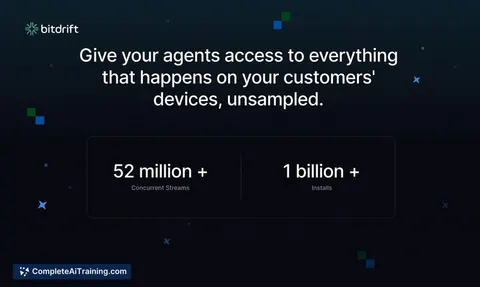
bitdrift.ai is an agentic mobile observability platform that lets AI agents query real-time, full-fidelity user behavior data and act on it autonomously. It provides user journeys, performance metrics, and behavioral changes without waiting for ap...
About bitdrift.ai
bitdrift.ai is an agentic mobile observability platform. It gives AI agents real-time access to mobile user behavior through the bitdrift Public API and bd skills, enabling them to query and act on device data without waiting for app release cycles. The system processes telemetry on-device and sends data through a real-time control plane.
Review
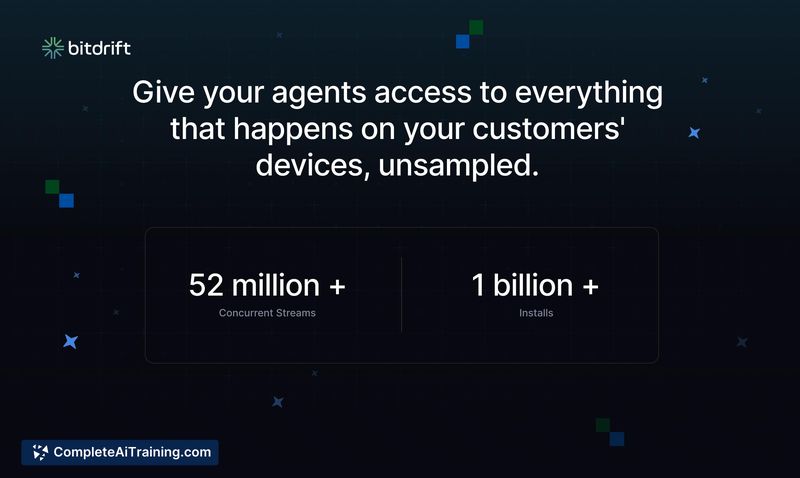
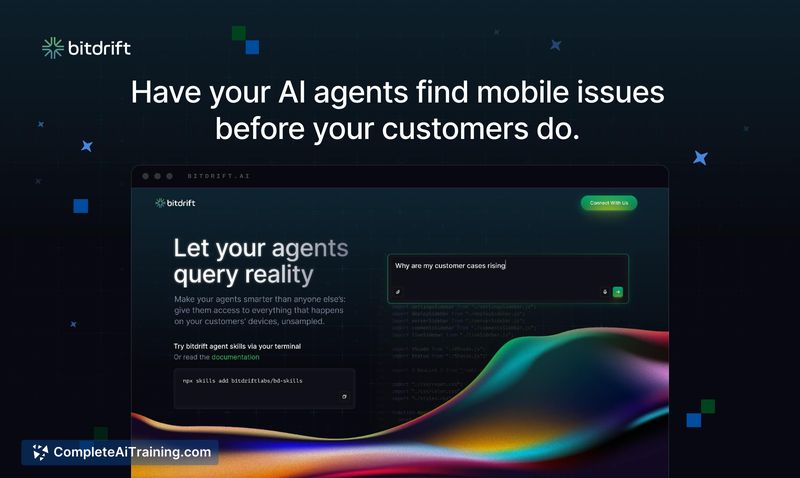
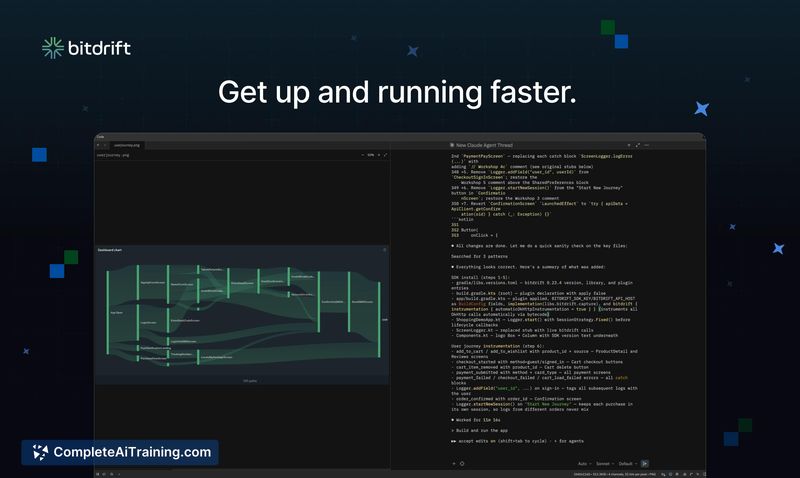
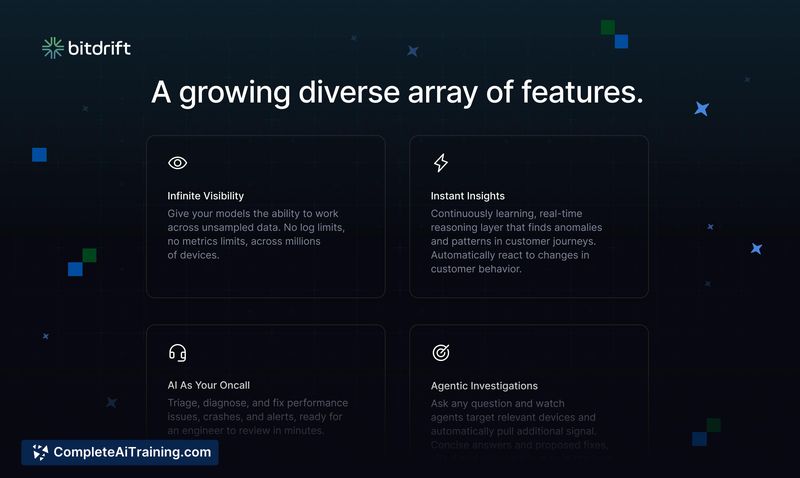
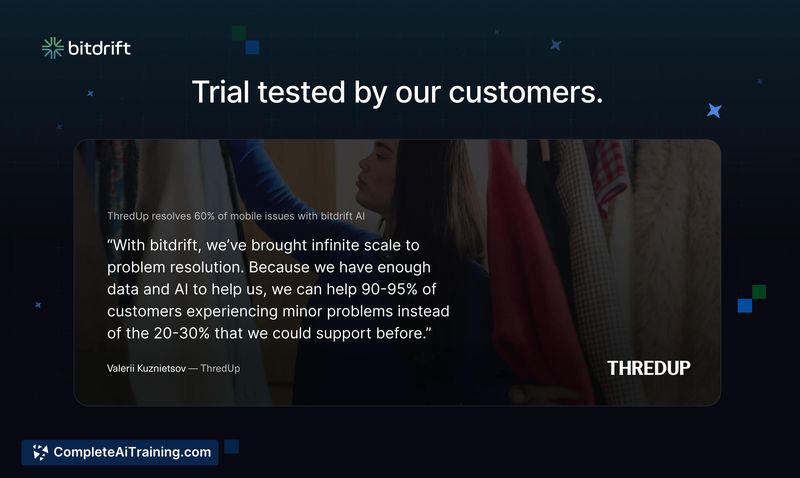
bitdrift.ai enters a space where mobile observability tools have typically relied on sampled, delayed data. The platform was publicly launched this week as the second product release from bitdrift, following the company's earlier mobile observability and crash reporting tool. It's built on infrastructure that has processed over a trillion logs per day at the edge, according to the founding team.
Key Features
- Agentic mobile observability through the bitdrift Public API and bd skills, allowing AI agents to query mobile user behavior and act autonomously
- Real-time data delivery with on-device storage and a control plane that can send data when needed; the company reports this achieves data volumes roughly 1000x conventional approaches
- Full-fidelity telemetry without sampling, covering user journeys, performance metrics, and behavioral changes as they happen
- Remote configuration of logging and behavioral definitions, so teams don't need to ship new app releases to change what's collected
- Crash reporting with session data retrieval, moving past bare crash reports to surrounding context
Pricing and Value
Pricing details are not yet defined beyond the existence of free options, which include crash reporting. The team reports early beta users achieved a 10x improvement in defect fix rates within a week, and the platform claims a 10x improvement in mean time to resolution. The platform's approach of sending large volumes of data when needed and nothing otherwise addresses cost concerns common in mobile observability, where sampling reduces costs but also hides issues.
Pros
- Real-time data access eliminates multi-day waits for app release cycles, a constraint that has historically limited mobile observability
- Full-fidelity collection means agents and teams work from actual device data rather than interpolations from sampled telemetry
- AI agents can close feedback loops autonomously, triaging and investigating issues without manual intervention
- Deployment integrates with existing pipelines, as early adopters report minimal performance overhead and no additional costs relative to their prior solution
- Support is accessible; small test teams describe a direct working relationship with the company's staff
Cons
- As a ground-up rearchitecture of bitdrift's existing product, teams expecting a drop-in replacement for their current observability setup may need to adapt workflows to the agentic model
- The agentic approach is new and relies on AI models that need high-fidelity data; teams without experience scripting agents or using APIs will need time to configure bd skills and the control plane
- For small organizations, mobile observability tools are positioned towards them but the agentic focus and public API may be more complexity than needed for teams who only want crash reporting and simple RUM dashboards
bitdrift.ai appears suitable for engineering and product teams running mobile apps at scale, where delayed releases and minimal visibility have historically lengthened debugging cycles. Teams adopting it need some familiarity with API-driven workflows or an internal champion to configure agents, but the on-device storage model addresses cost concerns from full-data collection. Those who want a standard, dashboard-only crash reporting experience without agent-based investigation should look at the simpler bitdrift observability product instead.
Jobs bitdrift.ai suits
We checked bitdrift.ai against 500+ jobs; these get the most out of it.