AI tool
BookLed
BookLed combines a paper book with integrated electronics to create interactive storytelling using Generative AI. With Python code and an OpenAI account, users can experiment with AI-driven narratives starting directly from printed pages.
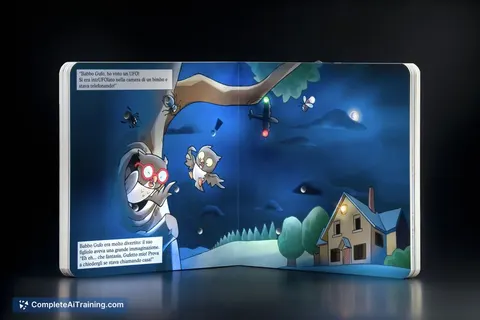
About BookLed
BookLed is a unique paper book integrated with electronic components that interact with generative AI technology. It offers an innovative approach to storytelling by combining the tactile experience of a physical book with dynamic AI-driven content and effects.
Review
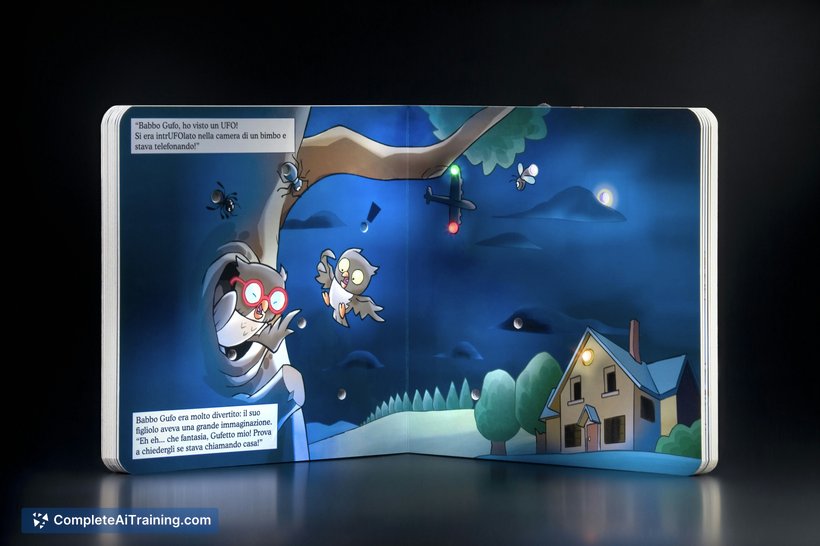
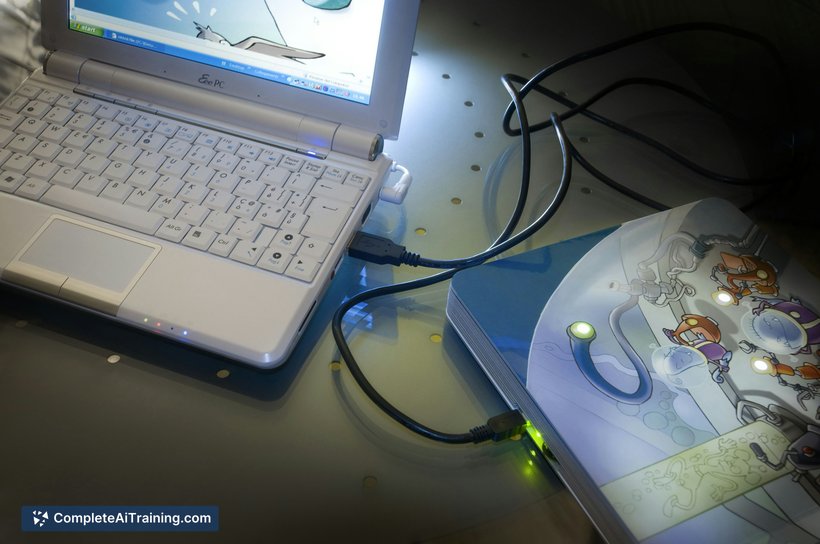
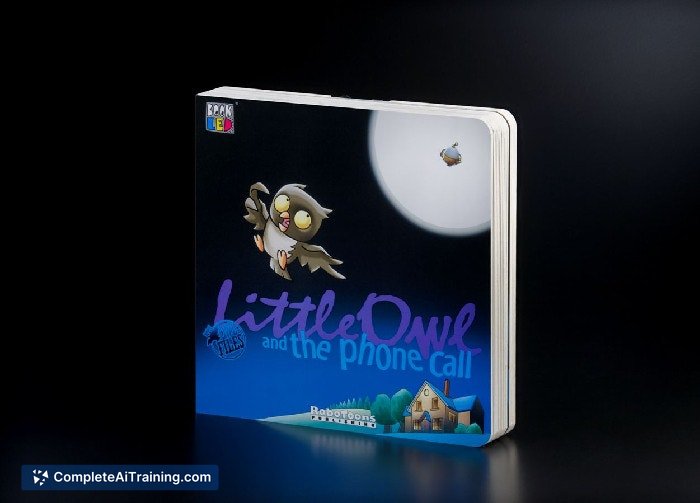
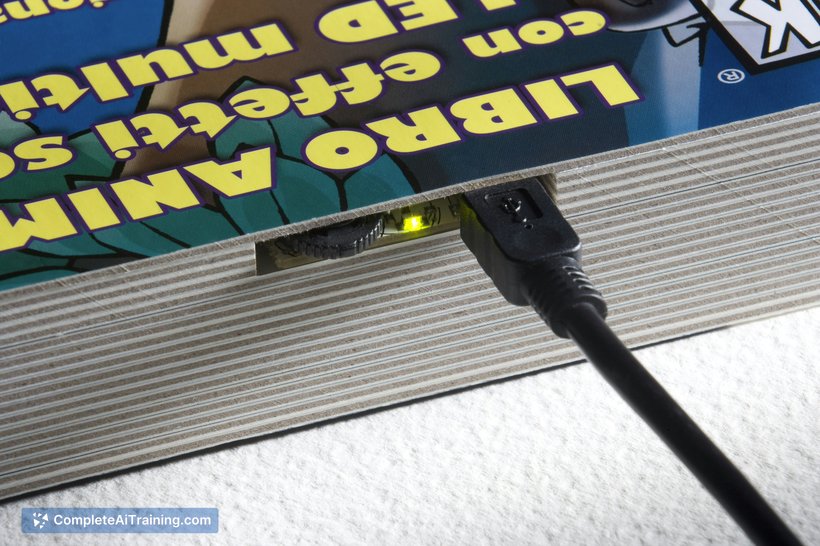

BookLed presents an interesting blend of traditional reading and modern AI capabilities, aimed at makers and AI enthusiasts. By integrating sensors to detect page turns and synchronizing sound and light effects, it creates an interactive experience that goes beyond conventional books. This tool encourages experimentation with both hardware and software, making it appealing for developers interested in AI and physical computing.
Key Features
- Paper book equipped with sensors that detect page turns
- Integration with generative AI for dynamic storytelling
- Open-source Python code available for customization and expansion
- Synchronized sound and light effects to enhance reader engagement
- Affordable platform for experimenting with AI and physical media
Pricing and Value
BookLed requires payment to access, reflecting its positioning as a specialized tool for experimentation. Its value lies in providing an accessible entry point for those interested in combining physical products with generative AI, without the need for costly proprietary hardware or software. The availability of open-source code further increases its appeal by allowing users to modify and extend its capabilities freely.
Pros
- Combines physical reading with interactive AI elements for a unique experience
- Open-source software encourages customization and learning
- Affordable compared to other AI-integrated hardware products
- Supports hands-on exploration of sensors, AI, and storytelling
- Engages multiple senses with synchronized sound and lighting
Cons
- Requires some technical knowledge, especially familiarity with Python and AI setup
- Limited to users comfortable with hardware tinkering and coding
- Not designed as a mainstream consumer product, but rather for experimentation
Overall, BookLed is well suited for makers, developers, and AI hobbyists interested in exploring interactive storytelling through physical media. It works best as a learning tool or experimental platform rather than a conventional reading device, and those with coding experience will benefit most from its open-source nature and hardware integration.