About Codex 3.0 by OpenAI
Codex 3.0 by OpenAI is an AI-driven coding agent powered by GPT-5.5 that can build, test, and debug software with minimal human direction. Launched this week, it works across browsers, desktop apps, and cloud file systems to support end-to-end development workflows.
Review
Codex 3.0 moves beyond single-shot code generation to offer a sustained development loop that includes interaction, verification, and iteration. It combines vision-based input, browser and app control, and realtime debugging signals to produce and validate working flows rather than just snippets.
Key Features
- GPT-5.5 core as an execution layer that can plan and iterate across tasks.
- Browser automation: simulates clicks, captures screenshots, and runs flow tests.
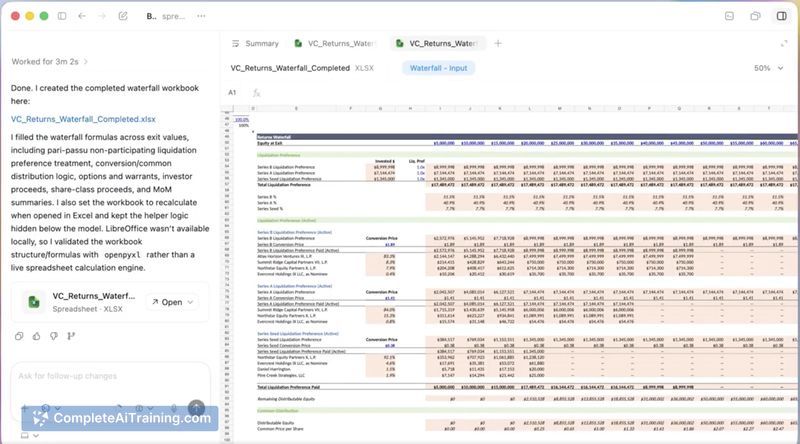
- File generation for Microsoft Office and Google Drive, plus an in-app file viewer for quicker edits.
- Realtime debugging using console and network logs to identify and fix issues during runs.
- Cross-app computer control to perform actions like typing, clicking, and switching between applications.
Pricing and Value
Public pricing details are limited; typical offerings for tools in this category include a free tier or trial, usage-based API billing, and tiered subscriptions for teams. The core value is time saved across build, test, and debug cycles-projects with repetitive testing or complex integration flows are most likely to see a clear return on investment. Teams should weigh expected efficiency gains against ongoing usage costs and any needed security or compliance safeguards.
Pros
- Automates the full build → test → debug loop, reducing manual iteration overhead.
- Integrates browser interaction and vision to test UI flows more realistically than code-only tools.
- Generates and edits documents and spreadsheets inside common office suites for better documentation and handoffs.
- Provides realtime logs and feedback, which helps locate root causes faster than static code suggestions.
Cons
- Long-running or stateful flows can drift; the system may require manual recovery or re-planning in some cases.
- Projects with strict security, regulatory, or privacy requirements will need careful configuration and review before trusting automated actions.
- Costs can accumulate for heavy, continuous usage-smaller teams should evaluate usage patterns before committing.
Overall, Codex 3.0 by OpenAI is best suited for development teams, founders, and QA engineers who want to shorten iteration cycles and add automated verification to workflows. It is most helpful where repetitive testing, cross-app interactions, or large-scale scaffolding are bottlenecks; teams focused on highly sensitive production systems should plan safeguards and human oversight.
Open 'Codex 3.0 by OpenAI' Website
Your membership also unlocks: