AI tool
ContextPool
ContextPool is a local persistent memory layer for AI coding agents: it extracts actionable engineering insights from past sessions and auto-loads relevant context while keeping raw transcripts local.
About ContextPool
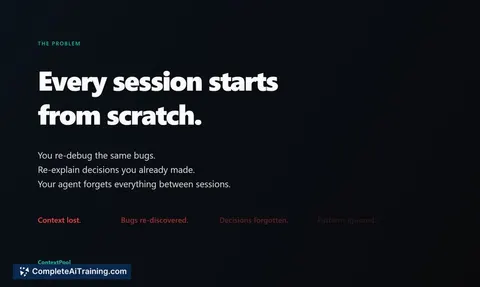
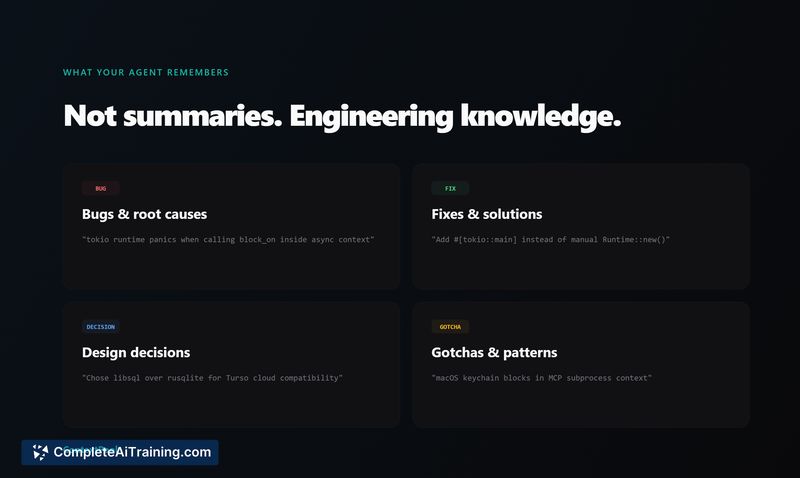
ContextPool is a persistent memory layer for AI coding agents that captures and reuses engineering insights from past coding sessions. It extracts actionable items like bugs, fixes, and design decisions and makes them available at the start of new sessions so you don't have to repeat context manually.
Review
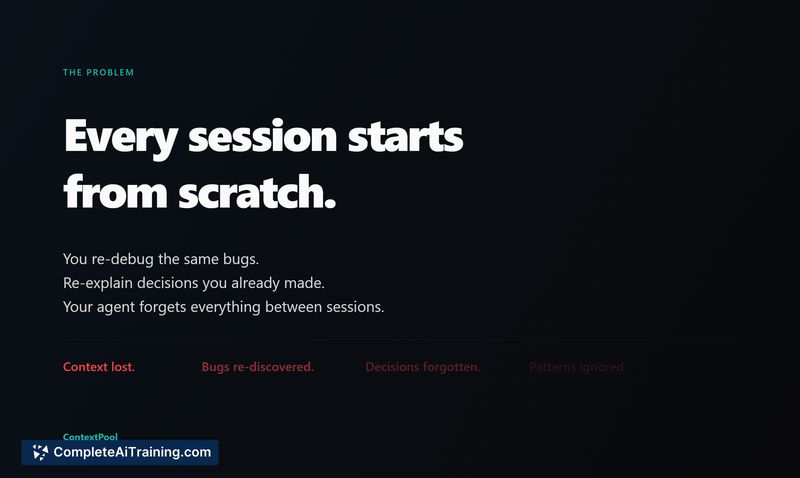
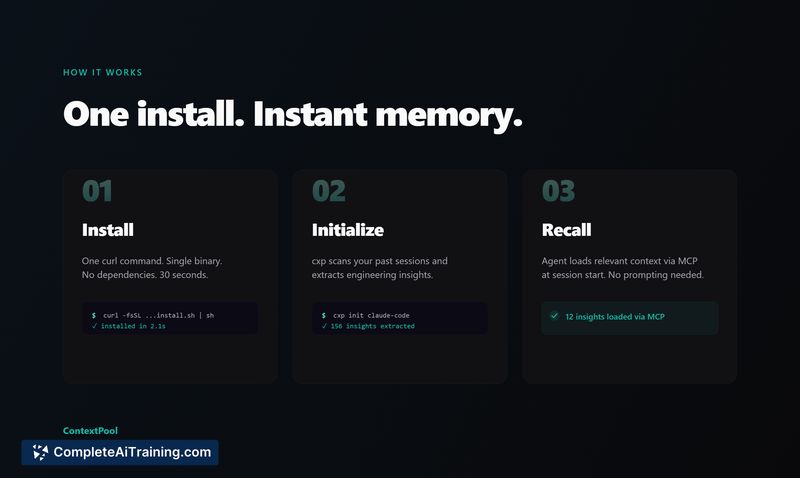
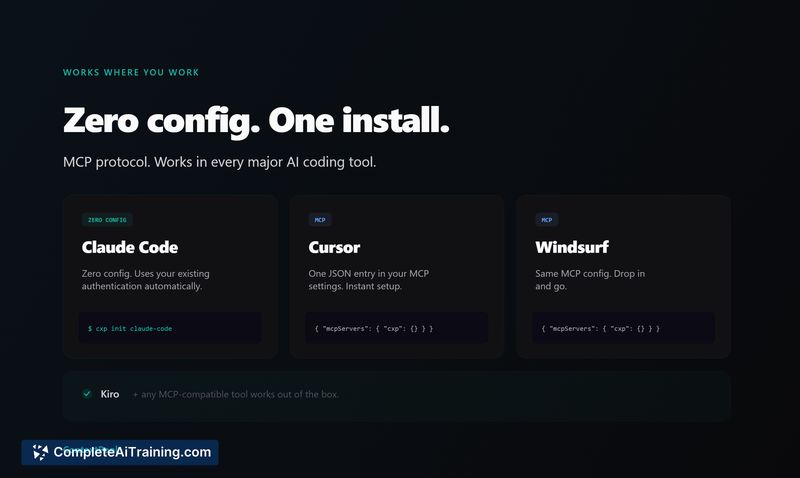
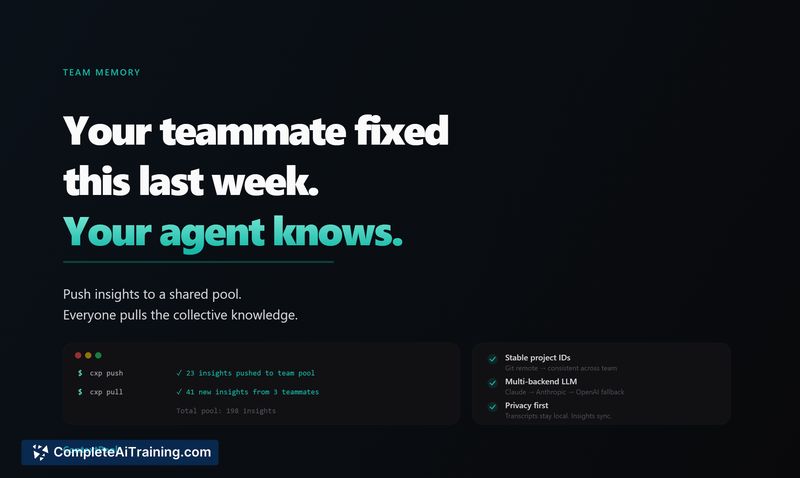
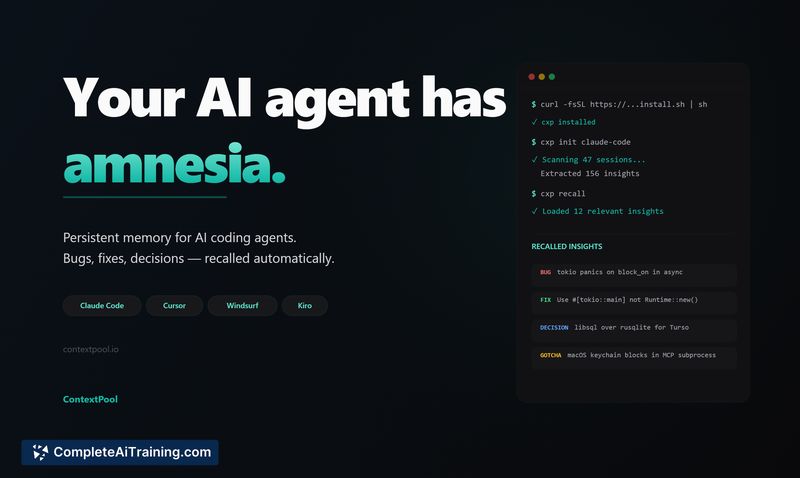
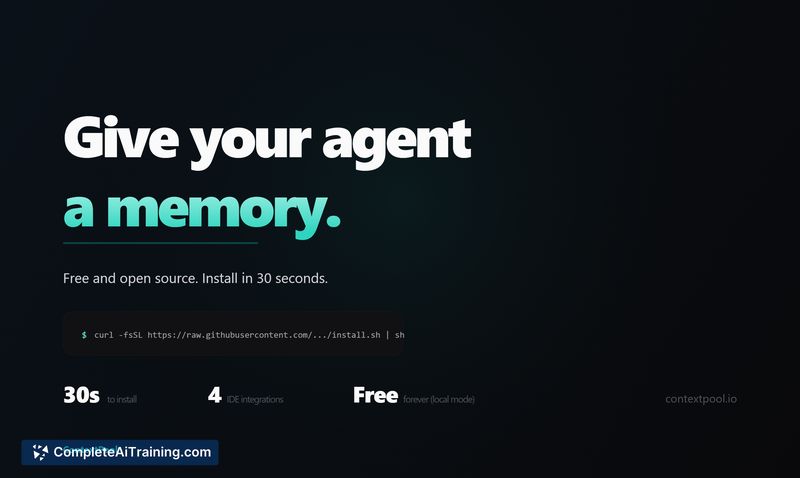
ContextPool addresses a common friction for developers who use AI agents: each session often starts from scratch and requires re-explaining prior work. The tool offers a local-first approach with an easy one-line install and a CLI initialization that scans past sessions, extracts structured insights, and surfaces relevant context automatically.
Key Features
- Persistent memory for coding sessions: stores distilled engineering knowledge such as bugs, fixes, design decisions, and gotchas.
- Automatic extraction and loading: a CLI init scans past sessions and extracts structured insights that are loaded at session start without extra prompting.
- Local-first storage and privacy controls: summaries live in your repository as plain files you can read, edit, or delete; raw transcripts remain local.
- Team sync option: an opt-in shared pool enables team-wide knowledge sharing with a paid sync tier for collaborative use.
- Simple deployment: single-binary install with no heavy dependencies and LLM-native, markdown-formatted summaries for portability.
Pricing and Value
ContextPool is free and open source for local use, making it low-cost to adopt for individual developers or small projects. A paid team sync tier is available for $7.99 per month, which provides a shared pool of extracted insights so teams can benefit from each other's learnings. The value proposition lies in saving developer time by avoiding repeated explanations and turning session discoveries into reusable, searchable context.
Pros
- Reduces repetitive context setup by surfacing previously captured engineering insights automatically.
- Local-first and privacy-focused: raw session data stays on your machine and summaries are editable files in the repo.
- Structured, LLM-friendly summaries (typed entries with titles, summaries, tags, and optional file references) that are easy to inspect and manage.
- Lightweight installation and straightforward workflow that fits into existing development processes.
Cons
- Extraction quality depends on how explicitly patterns or decisions appear in sessions, so silent conventions may be captured less well.
- As a growing knowledge pool, it can accumulate conflicting or outdated insights; lifecycle management and explicit conflict-resolution features are still being developed.
- Limited to supported agent workflows; integration coverage may be incomplete for some custom setups.
ContextPool is a good fit for individual developers and teams that rely on AI coding agents and want to reduce overhead from repeated context rebuilding. It works well for codebases where the same bugs and architectural decisions recur and for teams that prefer local control over their memory store while optionally sharing distilled insights. For workflows that need precise lifecycle controls or work with unsupported agents, evaluate how extraction and conflict management align with your practices before relying on it as a sole source of truth.
Jobs ContextPool suits
We checked ContextPool against 500+ jobs; these get the most out of it.
Alternatives to ContextPool
Other tools that do the same main job. Our AI compared ContextPool with similar tools and kept the ones you could use instead.