About: DataLine
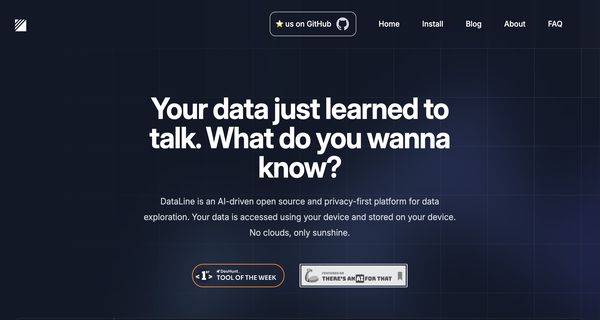
DataLine is an advanced AI-driven platform designed to transform how users interact with their data. By leveraging natural language processing, it allows users to pose conversational queries and receive immediate, insightful responses in the form of data visualizations such as tables, charts, and dashboards. This user-friendly solution caters to both technical and non-technical individuals, eliminating the necessity for intricate query languages or specialized training.
Key features of DataLine include its intuitive chat interface, robust data integration capabilities, and the ability to generate dynamic visualizations on demand. Users can effortlessly explore their datasets, uncover trends, and derive actionable insights, making it an invaluable tool for data-driven decision-making.
DataLine is particularly beneficial for businesses looking to enhance their data analytics processes without the burden of a steep learning curve. Its unique approach to data visualization not only streamlines workflows but also empowers users to make informed decisions quickly and efficiently.
Review: DataLine
Introduction
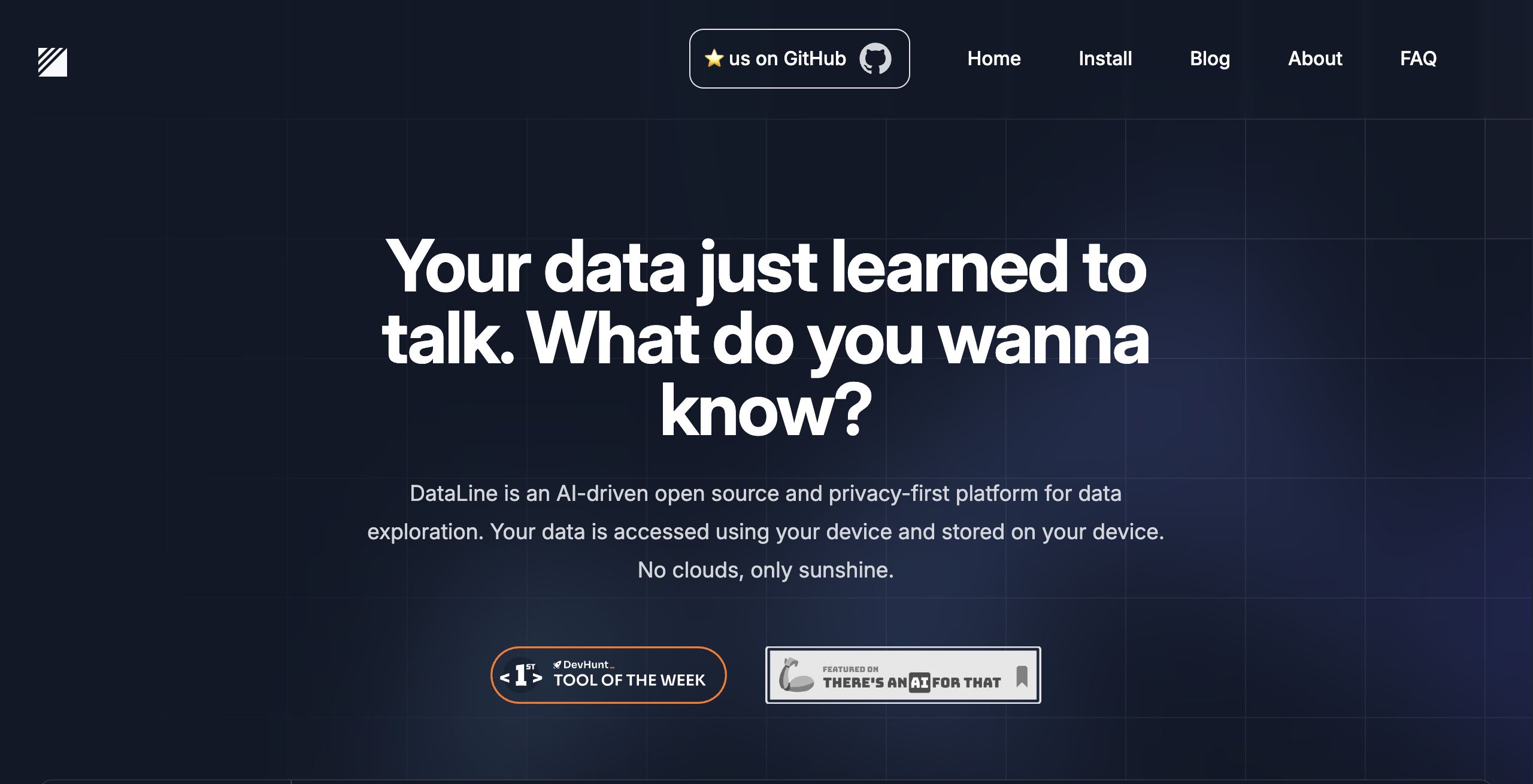
DataLine is an AI-powered tool designed to convert conversational queries into data visualizations and insights. It aims to simplify the process of data analysis by allowing both non-technical users and developers to interact with their data using natural language. With its focus on open source and privacy-first principles, DataLine enables users to generate tables, charts, and dashboards without the need for complex query languages. This review examines the tool's key functionalities, strengths, and areas for improvement in a rapidly evolving data analytics landscape.
Key Features
DataLine offers a variety of features that set it apart in the realm of data exploration:
- Conversational Data Interaction: Users can ask questions in plain language, enabling a more intuitive approach to data analysis.
- Comprehensive Data Visualization: The platform helps in generating tables, charts, and dashboards, making it easier to derive insights quickly.
- Multiple Database Support: It integrates seamlessly with popular databases such as Postgres, MySQL, SQLite, MS SQL Server, Snowflake, and BigQuery, as well as CSV and Excel files.
- Privacy-First Approach: Data is accessed and stored locally on the user’s device, ensuring that sensitive information remains secure and is never stored on the cloud.
- Open Source: As an open source platform, it provides transparency and flexibility, encouraging community contributions and customization.
- Easy Integration: With support for various operating systems and containers (like Docker), installation and integration into existing workflows are straightforward.
Pros and Cons
- Pros:
- Intuitive conversational interface for data analysis
- Robust support for a wide range of databases and data formats
- Strong focus on privacy with local data storage
- Open source framework promoting transparency and flexibility
- Easy installation and integration across multiple platforms
- Cons:
- The conversational approach may occasionally misinterpret complex queries compared to traditional SQL
- Advanced users might find limitations in handling highly customized visualizations or complex data manipulations
- Some features, such as local LLM support, are still marked as “coming soon,” indicating potential gaps in functionality at present
Final Verdict
Overall, DataLine presents a compelling solution for those seeking an easy-to-use, secure, and open source platform for data exploration. It is especially beneficial for non-technical users and teams looking to quickly generate insights without delving into complex query languages. Developers and data professionals who require deep customization or advanced analytics might need to consider its current limitations. Nonetheless, DataLine’s emphasis on privacy, ease of integration, and intuitive design makes it a noteworthy tool in today’s data analytics ecosystem.
Open 'DataLine' Website
Your membership also unlocks: