AI tool
Framefields
Framefields is a code-first video engine that runs on native WebGPU in Node.js, combining motion graphics, compositing, and audio processing into a single npm package. It is built for developers and AI coding agents that need deterministic, headle...
About Framefields
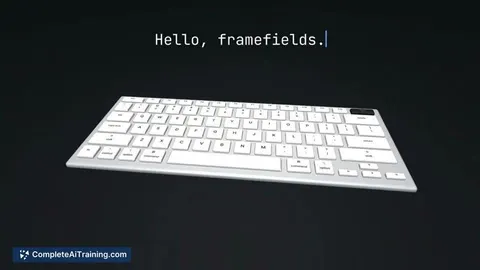
Framefields is a code-first video engine that runs on native WebGPU directly in Node.js, without any Chromium or browser dependency. It packages motion graphics, 2D compositing and VFX, 3D scenes, and audio DSP into a single npm package. The tool is built for engineers and AI coding agents that need deterministic, frame-accurate video output exported as hardware-accelerated MP4s.
Review
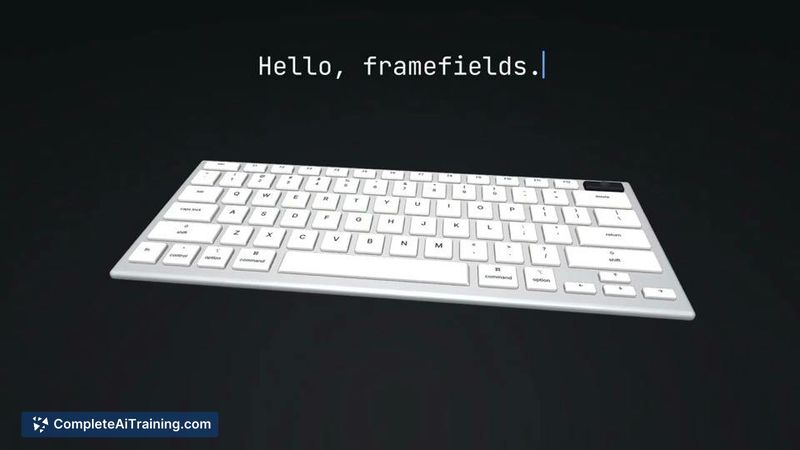
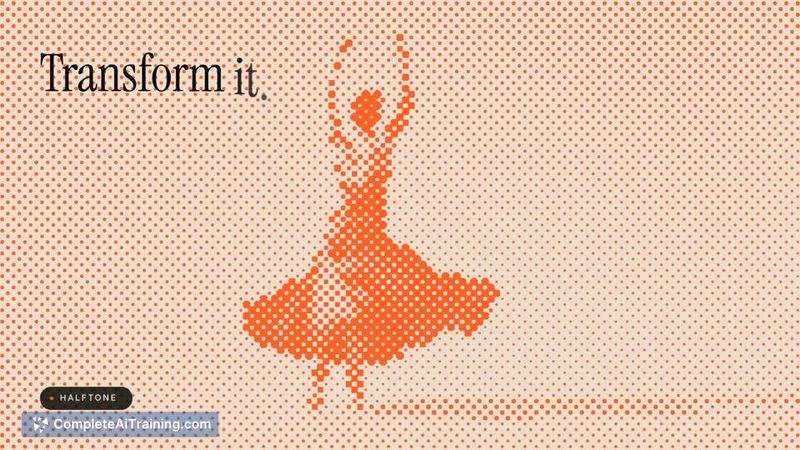
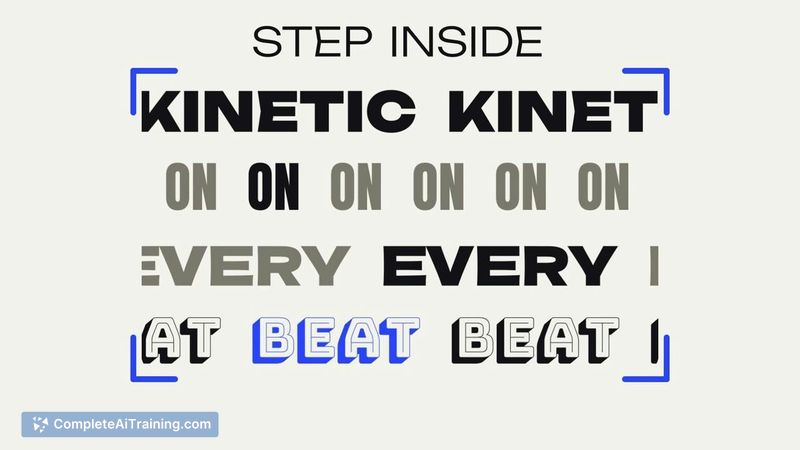
Framefields takes an unusual approach to video creation by shifting everything into a TypeScript-driven pipeline that runs headlessly. Rather than clicking through a timeline, you write code that defines compositions, shaders, and audio processing chains. The engine uses Dawn, Metal, and Vulkan backends to render frames without the overhead of a traditional creative suite or headless browser.
Key Features
- Motion Graphics and Typography: Kinetic text, SVG paths, Yoga layout trees, and spring/bezier curves for animation.
- 2D Compositing and VFX: Shader-based effects including curves, film grain, LUTs, 3D relighting, and chromatic aberration.
- Audio DSP and Sync: Sample-accurate beat grids, procedural sound effects, EQ, and master compression.
- AI Agent Tooling: Deterministic frame clocks and visual frame-grid inspection that let an agent verify output programmatically.
- Direct MP4 Export: Hardware-accelerated encoding straight from the WebGPU pipeline, no intermediate formats required.
Pricing and Value
Framefields is listed as free and the source code is open. Specific pricing tiers or future commercial licensing are not yet defined in the current launch materials.
Pros
- Runs on native WebGPU in Node.js, eliminating Chromium overhead and frame-drop issues common in Puppeteer-based pipelines.
- Combines motion graphics, VFX, 3D, and audio DSP in one package instead of requiring three separate tools.
- Deterministic frame clocks make output reproducible, which matters for automated quality checks and agent-driven workflows.
- Frame-grid inspection gives AI agents a visual reference to verify compositions without guessing at text placement.
- Open-source codebase means you can inspect the rendering internals and modify them directly.
Cons
- No built-in speech-to-text or transcription capability; agents must integrate an external model like Whisper for that workflow.
- Requires comfort with TypeScript and shader programming-there is no graphical interface for timeline editing.
- Not well suited for editors working primarily with traditional footage like talking-head interviews or multi-camera studio recordings, where a conventional NLE timeline would be more direct.
Framefields fits teams and solo developers who already generate video programmatically or want AI agents to produce compositions deterministically. It also works for motion graphics work where you need Photoshop-grade shader effects and sample-accurate audio sync controlled entirely through code. If your workflow depends on manual timeline trimming of recorded footage, this tool currently sits outside that use case.