AI tool
GPS
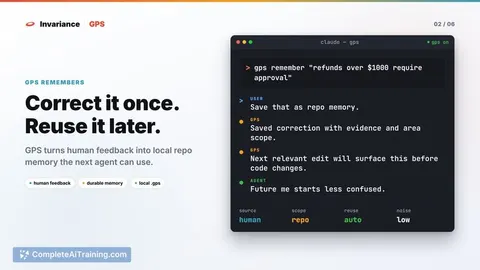
GPS anchors persistent memory to repo symbols and files so agents receive only relevant rules, fixes, tests and gotchas before acting. Agents can save memories mid-task, reducing tokens and improving recall across runs.
About GPS
GPS is a memory layer for large language models aimed at coding workflows. It stores repository rules, past corrections, decisions, and test commands, then surfaces the most relevant memories to an agent when it is about to touch code.
Review
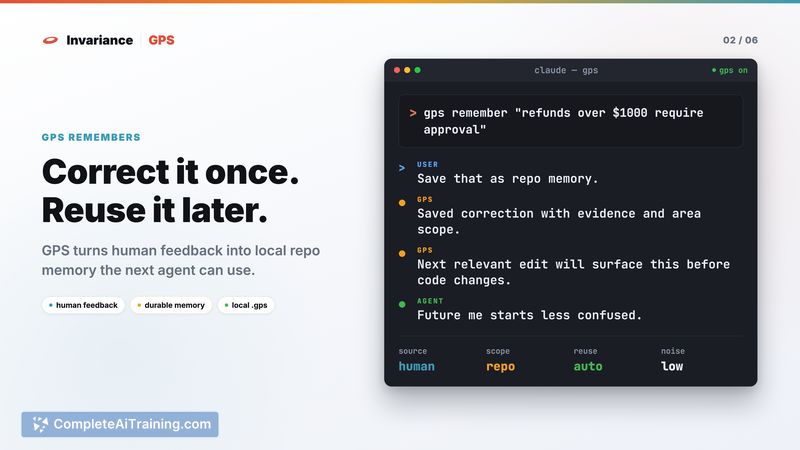
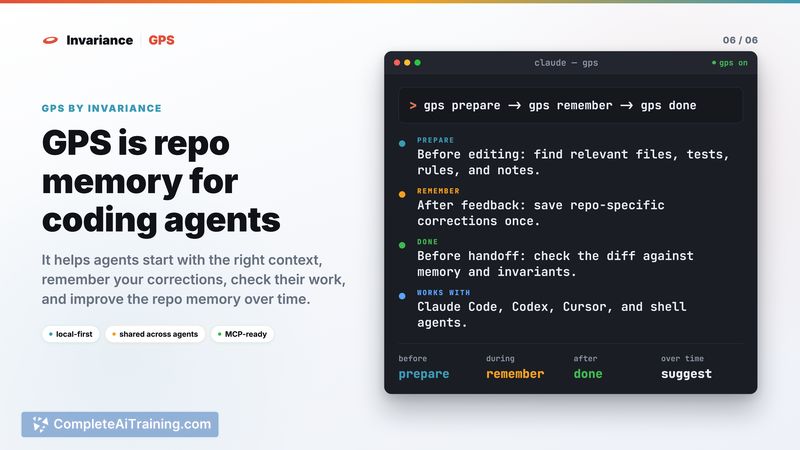
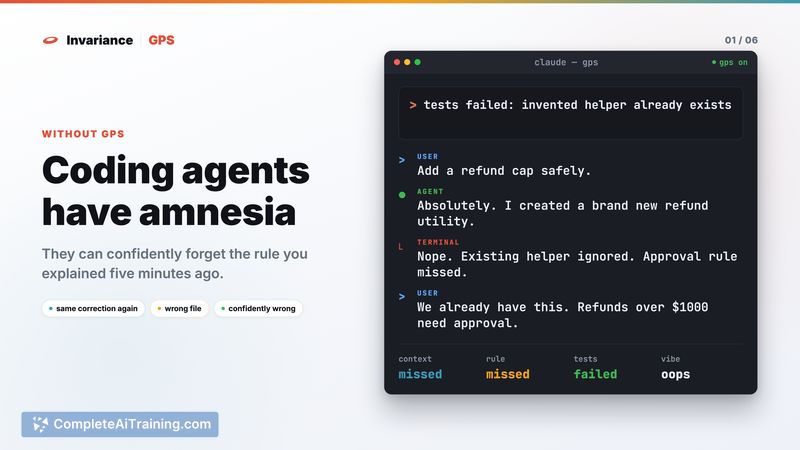
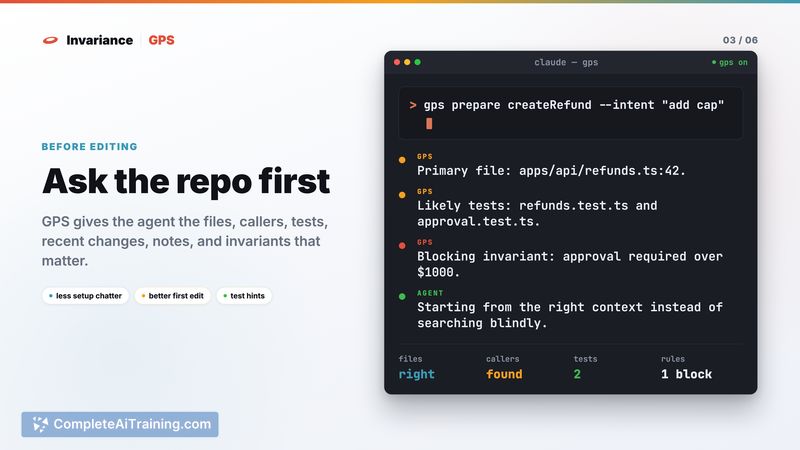
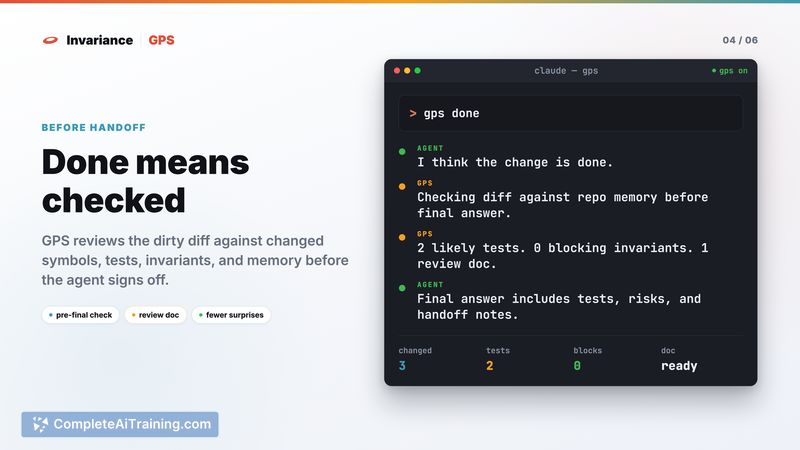
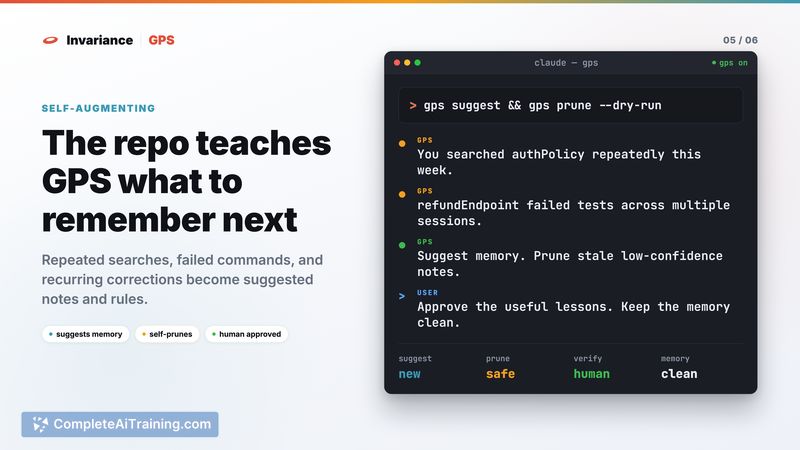
This review examines how GPS handles persistent agent memory and the practical effects on developer productivity. It evaluates GPS's file- and symbol-anchored memory model, its local-first CLI workflow, and trade-offs around cross-file rules and integration scope.
Key Features
- Memory anchored to files, functions, and symbols so context is tied to the code elements an agent edits.
- Local-first and CLI-first workflow that integrates with developer toolchains and reduces dependence on large central docs.
- Agents can record their own failures and noteworthy events mid-task so future runs start with relevant lessons.
- Focused context retrieval that surfaces only the memories relevant to the current edit, reducing repeated explanations.
- Compatibility with common coding agent setups and LLM-based workflows (details on specific integrations are limited at launch).
Pricing and Value
GPS is free at launch. Its main value proposition is reducing token waste and repeated context re-entry by delivering compact, targeted memories to agents before edits. For teams experimenting with agent-driven development, the free tier offers low-friction testing of a repository-aware memory layer; organizations will need to watch for future pricing and feature tiers as the product matures.
Pros
- Persistent memory across sessions reduces the need to re-explain repo rules or past fixes.
- Anchoring memories to symbols and file paths provides precise, relevant context for edits.
- Local-first, CLI-first approach aligns with common developer workflows and security preferences.
- Agents saving their own memories helps the system improve without manual documentation overhead.
- Can lower token usage and iteration friction by surfacing only what is necessary.
Cons
- The path- and symbol-bound model can be less effective for cross-cutting rules that apply across many files unless the system supports relational mappings.
- As a recent launch, public integrations, documentation, and handling of edge cases are still limited.
- Details on supported agent frameworks and LLMs are brief at present, so teams may need to pilot compatibility work.
GPS is a strong fit for engineering teams using agent-driven workflows who want repository-aware persistence without bloated global docs. It works best when rules and gotchas are associated with specific files or symbols and for teams that prefer a local-first, command-line-centric setup.
Jobs GPS suits
We checked GPS against 500+ jobs; these get the most out of it.
Alternatives to GPS
Other tools that do the same main job. Our AI compared GPS with similar tools and kept the ones you could use instead.