AI tool
GraphBit
GraphBit: build production-ready AI agents with Rust speed and safety and Python-friendly bindings. Enterprise features include real-time observability, crash resilience, and multi-LLM orchestration for reliable, scalable deployments.
About GraphBit
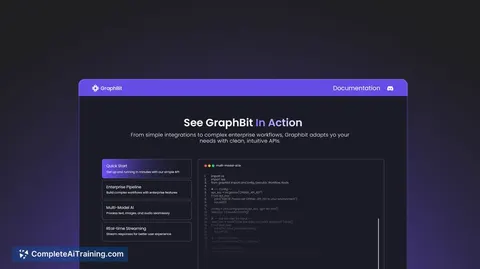
GraphBit is a developer-first LLM framework that pairs a Rust core with Python bindings to build high-performance AI agents. It focuses on giving teams low-overhead execution and familiar developer ergonomics so production agentic workflows run reliably.
Review

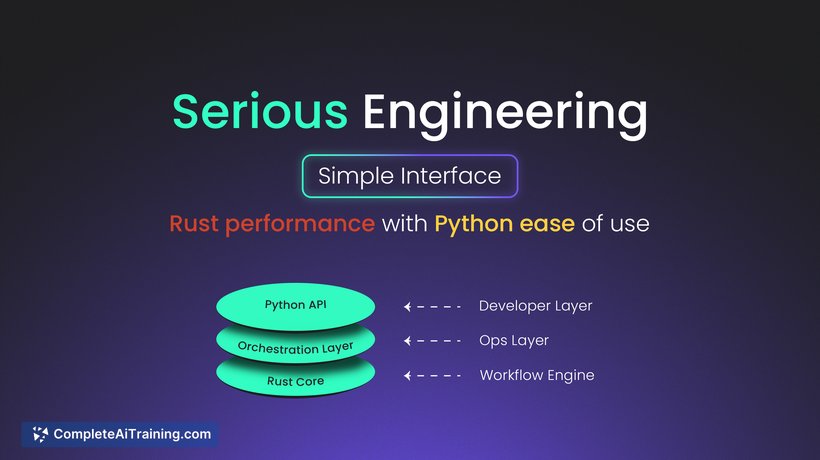
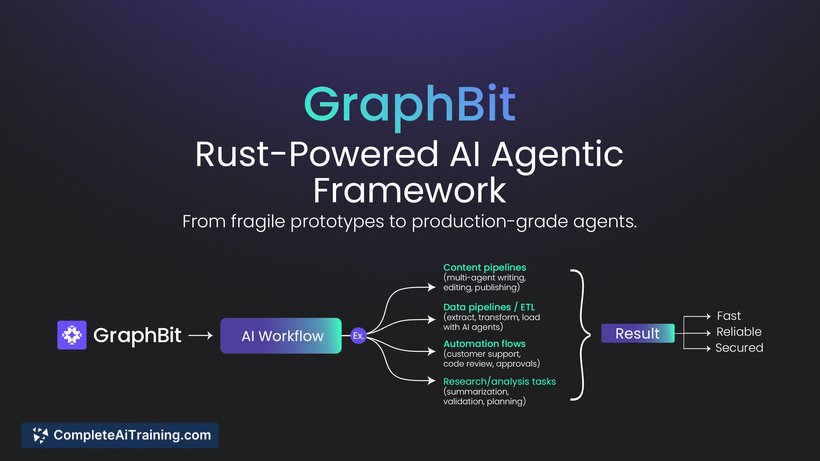

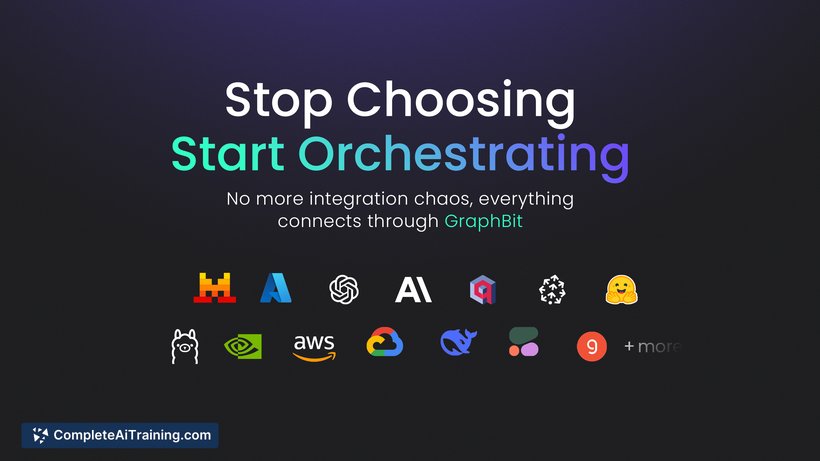
GraphBit targets developers and engineering teams who need predictable, concurrent execution for multi-LLM workflows. The project combines a lock-free, async Rust runtime with a straightforward Python API and includes observability and resilience features aimed at production deployments.
Key Features
- Rust core with async concurrency and lock-free scheduling for low CPU overhead and predictable execution.
- Python bindings that provide a developer-friendly API while keeping runtime performance benefits.
- Enterprise-focused tooling including real-time observability and crash resilience for production agents.
- Multi-LLM orchestration support to run models in parallel and coordinate complex workflows.
- Open source / free access to the core framework for teams to evaluate and adapt.
Pricing and Value
The core framework is available with free access and an open-source orientation, making initial experimentation straightforward for developers. Value comes from reducing the effort needed to move prototypes into production through built-in observability, concurrency primitives, and multi-model orchestration. Teams should plan for infrastructure and operational costs when running production workloads, and may want to budget for commercial support or dedicated engineering time depending on scale and SLAs.
Pros
- Strong performance profile due to a Rust runtime with low CPU overhead and async execution.
- Python bindings lower the barrier for developers who prefer Python for orchestration and prototyping.
- Built-in observability and crash-resilience features that help with production stability and debugging.
- First-class multi-LLM orchestration and lock-free scheduling for parallel tasks.
- Open-access core encourages experimentation without upfront licensing fees.
Cons
- Ecosystem and third-party integrations are still maturing compared with longer-established frameworks.
- Teams unfamiliar with Rust-based runtimes may face a learning curve when troubleshooting lower-level execution details.
- Additional operational work is required to manage hosting, scaling, and enterprise support for large deployments.
GraphBit is a solid option for engineering teams building production-grade agent workflows that need predictable concurrency, observability, and multi-model coordination. It makes the most sense for organizations prepared to invest in operational practices and for developers who want a performant runtime without giving up a Python development experience.
Jobs GraphBit suits
We checked GraphBit against 500+ jobs; these get the most out of it.
Alternatives to GraphBit
Other tools that do the same main job. Our AI compared GraphBit with similar tools and kept the ones you could use instead.