AI tool
Inferock
Inferock is a serverless platform for pay-per-token LLM inference. It lets developers use their own API keys for OpenAI, Claude, or Gemini models, track failed calls and costs, and earn credits back on eligible failures.

About Inferock
Inferock is a local proxy that sits between an application and LLM providers like OpenAI, Anthropic, Gemini, or OpenRouter. It captures per-call token usage, failures, and retries, then produces an independent receipt showing what was billed and any overpayment. The tool also offers a serverless inference option with a credit program for verified failed calls.
Review

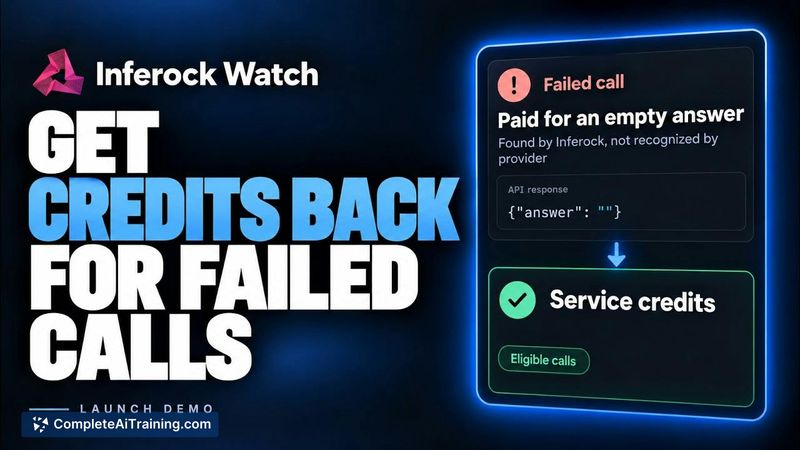
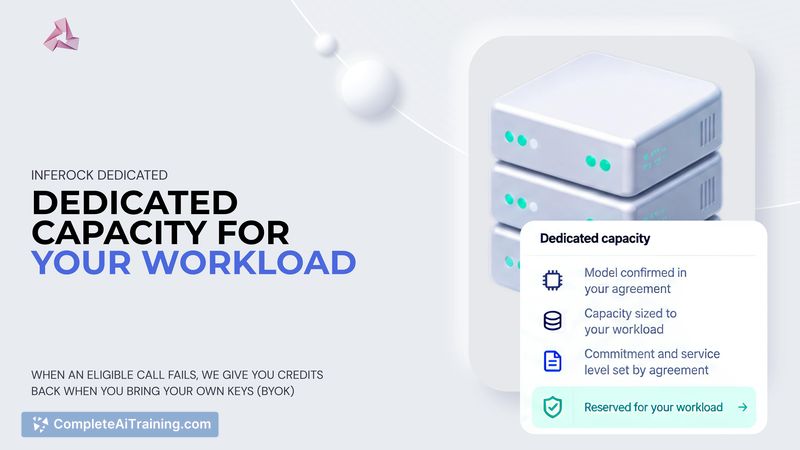
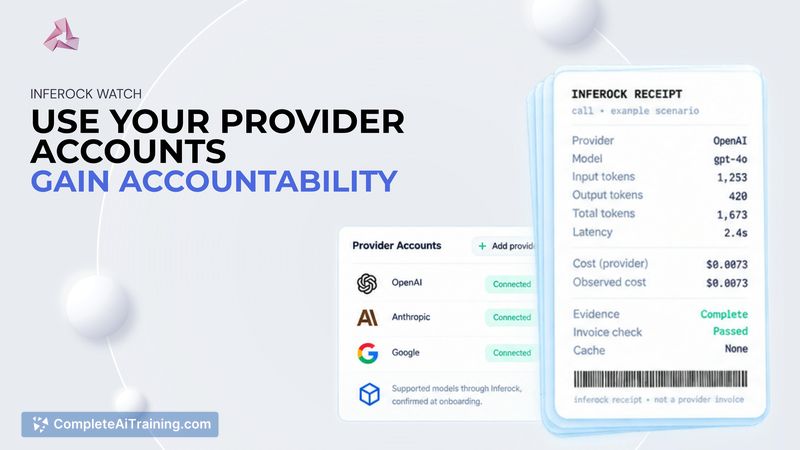
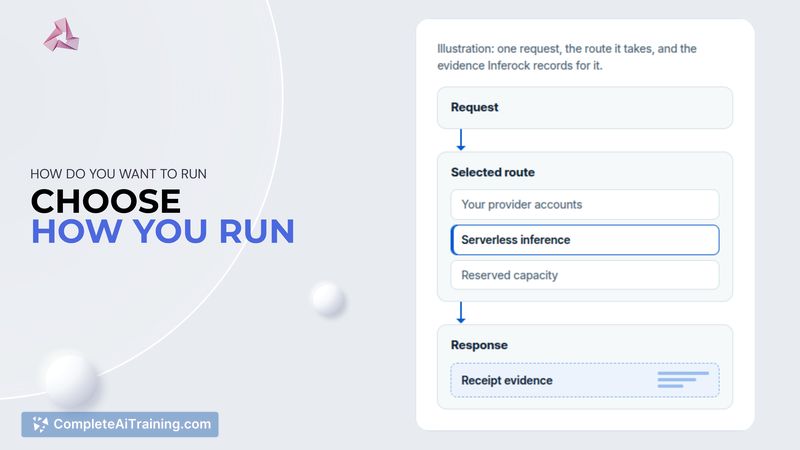
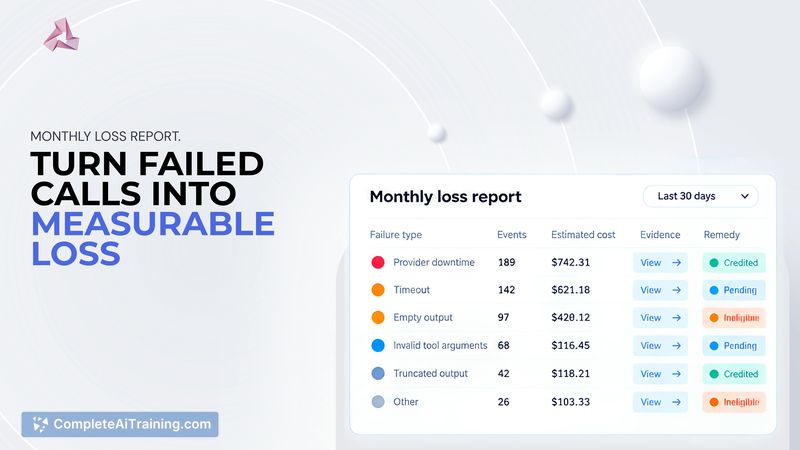
Inferock addresses a specific gap in LLM operations: the lack of independent verification for API call quality and billing. Rather than relying on provider dashboards that show aggregate numbers, it generates per-call receipts with granular detail. The tool splits into two modes - a free monitoring layer that works with your own keys, and a paid inference service where credits from verified failures can be applied.
Key Features
- Inferock Watch: A free mode where you bring your own OpenAI, Anthropic, or Gemini keys. It captures token usage, failures, and retries, then generates independent receipts and a monthly loss report.
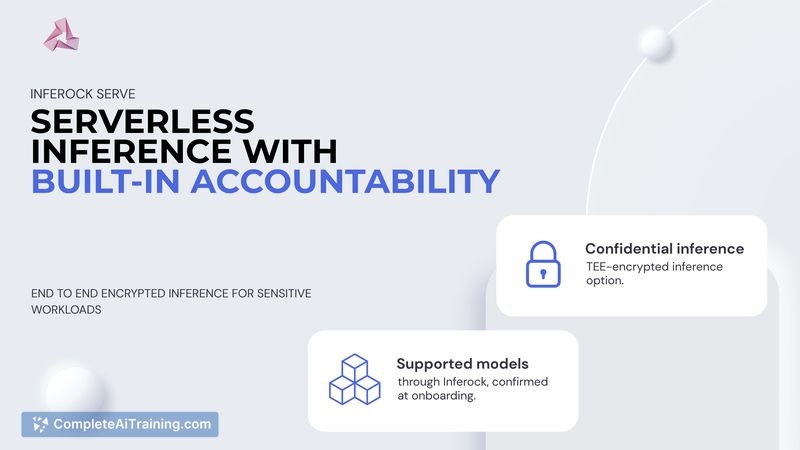
- Inferock Serve: A serverless, pay-per-token inference service. Credits earned from verified failures in Watch mode can be spent here.
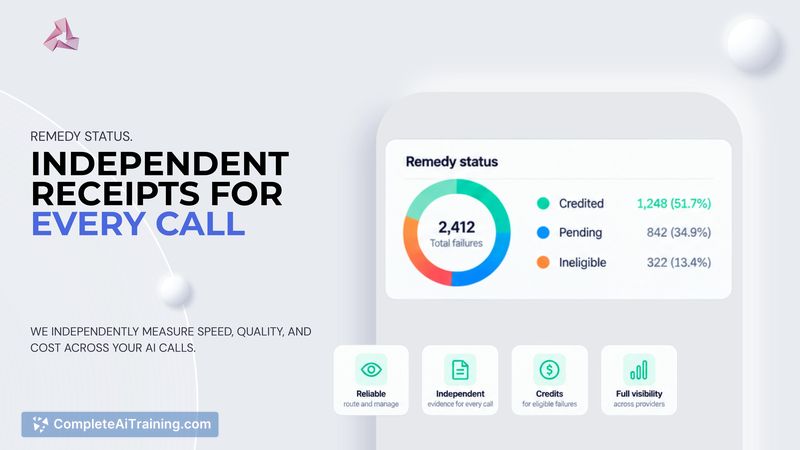
- Credit program: Verified, billed, unrecovered objective failures - such as downtime, timeouts, empty or truncated output, invalid structured output, and billing or cache anomalies - accrue non-cash credits. Credits expire after 12 months, with a wallet cap of $1,000 and an applied cap of $1,000 per calendar month.
- Per-call receipts: Each API call gets a receipt that Inferock generates independently, showing what you were billed and how much you're overpaying. The receipt doesn't depend on the provider's own reporting.
- Local proxy setup: The inferock-bench proxy runs locally. Connecting an existing SDK requires swapping the baseURL and apiKey, which the team describes as a minimal configuration change.
Pricing and Value
Inferock Watch is free and works with your own provider keys. Inferock Serve operates on a pay-per-token model; the exact markup per million tokens after signup credits expire is not yet defined in the available information. Signup credits are offered to start using the service. Credits from verified failures are non-cash, expire after 12 months, and are subject to the caps mentioned above. The service charge for Serve remains cash and is not offset by credits.
Pros
- Catches silent failures and retries that would otherwise go unnoticed in aggregate provider dashboards.
- Setup requires only a baseURL and apiKey swap for existing SDKs, keeping integration overhead low.
- Receipts are generated independently, removing dependency on provider-reported billing data.
- Credit program compensates for objectively broken calls with credits usable on the platform's inference service.
Cons
- The receipt's accuracy depends on Inferock's own copy of provider pricing tables, and there is no visible "prices last checked" timestamp in the CLI output to confirm freshness.
- When a call returns invalid structured output, the receipt flags the failure but doesn't show exactly where the output broke - the team cites privacy concerns around holding PII in failure data.
- Teams that need a fully self-hosted, on-premises solution without any dependency on Inferock's cloud services won't find a fit here, since the credit program and Serve mode tie into their platform.
Inferock makes the most sense for teams running LLMs in production who want independent verification of what they're billed and a systematic way to quantify failed calls. It's also useful for developers who suspect they're overpaying but lack per-call evidence to act on. The tool won't replace provider dashboards entirely, but it adds a layer of measurement that provider-native tools don't offer.