AI tool
Intent
Intent is a developer workspace for agent-driven development: define features as specs and let coordinated agent teams implement, test, and verify code in isolated workspaces with built-in editor, terminal and git.
About Intent
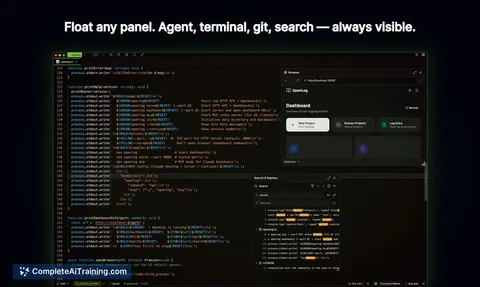
Intent is a developer workspace for agent-driven development that turns feature specs into coordinated work by multiple specialist agents. It provides isolated, git-backed workspaces with an editor, terminal, and built-in git workflow so agents can implement, verify, and ship changes without leaving the environment.
Review
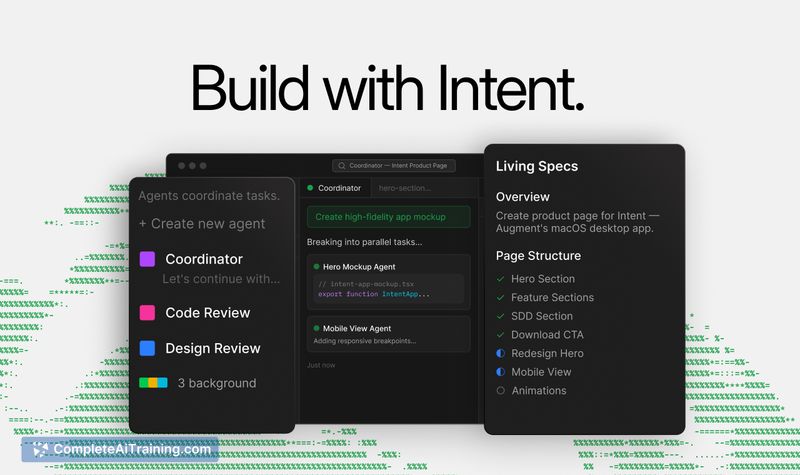
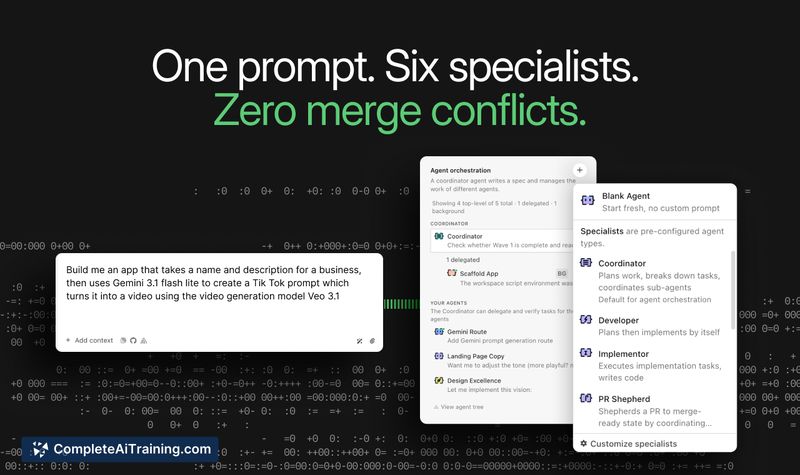
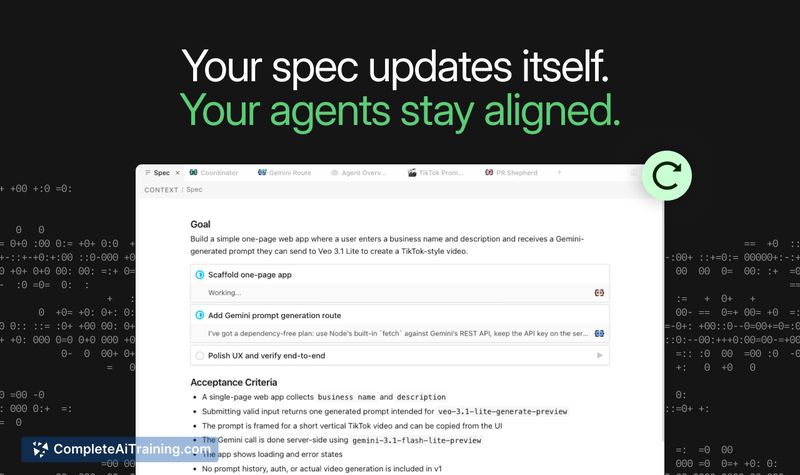
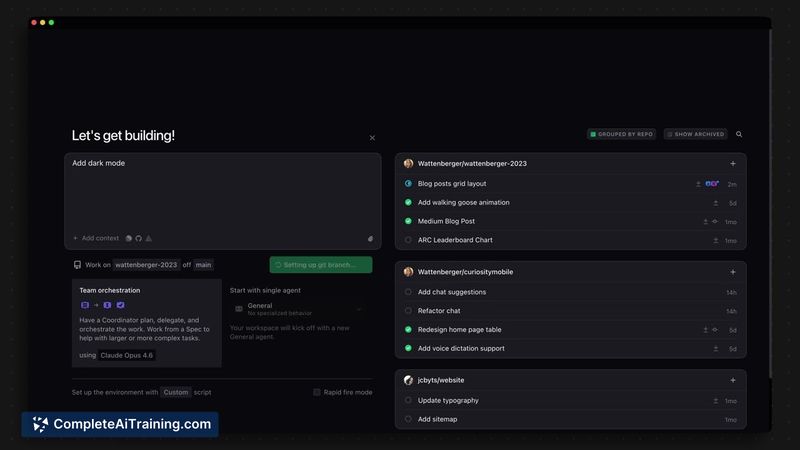
This review assesses how Intent supports multi-agent software development and where it fits in an engineering toolchain. I cover core capabilities, practical trade-offs, pricing signals from the launch, and who will get the most value from the product.
Key Features
- Spec-first coordinator: define a feature as a spec and a controller breaks it into explicit tasks and dependencies.
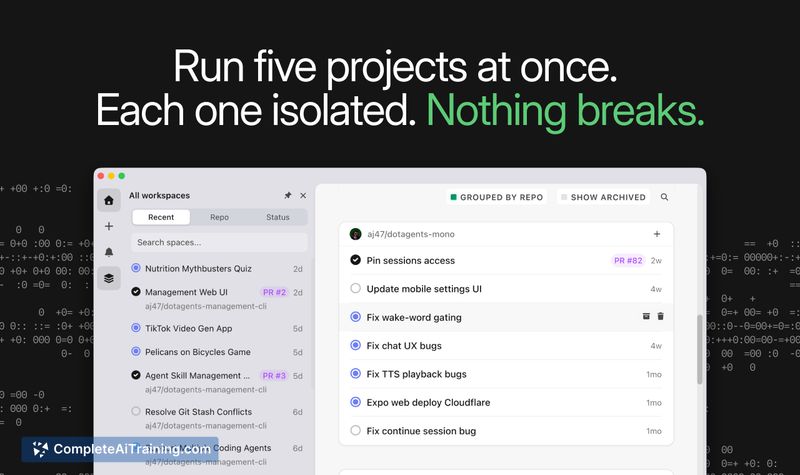
- Isolated git workspaces: each task runs in its own git worktree/branch while sharing a single git history for cheap branching and fast sync.
- Parallel and ordered execution: specialist agents run in waves-independent tasks in parallel, dependent tasks after predecessors land-managed by a coordinator and verifier.
- Built-in verification and PR workflow: changes surface as diffs and PRs with auto-rebase and conflict surfacing so reviewers see grouped task changes rather than raw agent outputs.
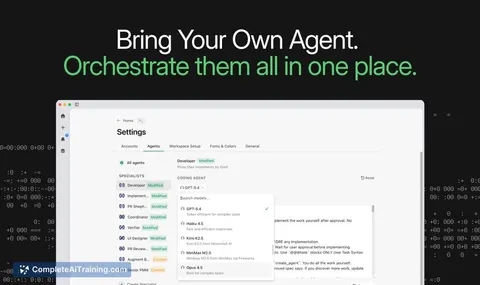
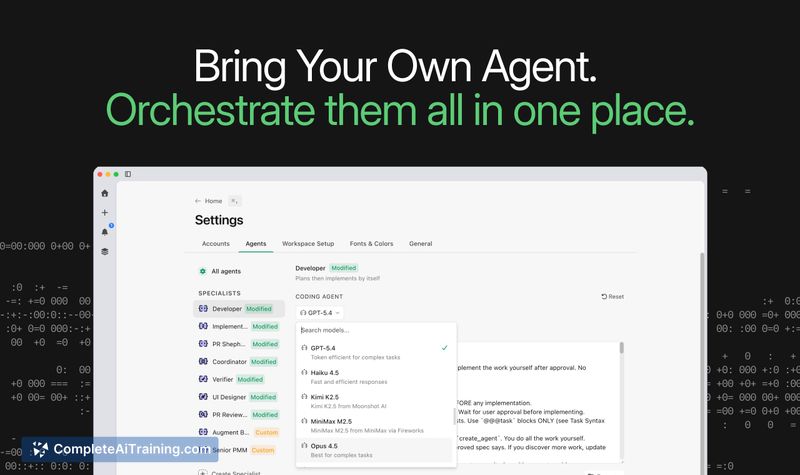
- Integration-friendly: connects with existing SDLC tools and supports multiple agent providers so it can sit on top of your current stack without locking you in.
Pricing and Value
Intent launched with a free tier, making it easy to try agent-driven workflows at no cost. The product is positioned for teams that will likely require paid or enterprise plans for advanced features, dedicated support, and controls like customer-managed keys and enhanced compliance. The clearest value is for engineering groups that want to remove manual orchestration between agents and existing git/PR processes while retaining normal review and CI practices.
Pros
- Makes multi-agent work visible and auditable by mapping specs to task-level branches and PRs.
- Reduces the need to build custom orchestration by providing a coordinator + verifier pattern out of the box.
- Integrates with existing git workflows, terminals, and CI, so agent actions produce standard diffs reviewers already understand.
- Offers security and compliance controls (encryption options, claimed certifications, and non-extractable code handling) that matter for production codebases.
- Supports multiple agent providers, enabling flexibility rather than vendor lock-in.
Cons
- Agent-parallelism can surface complex merge conflicts and cross-service coupling; teams need clear task boundaries and review discipline.
- There is a learning curve for specifying work as living specs and trusting an automated coordinator; some human oversight remains necessary for complex changes.
- Early user reports cited payment and support problems in the past; organizations that need mission-critical SLA guarantees should verify current support terms before full adoption.
Intent is best suited for senior developers, tech leads, and engineering teams managing large codebases who want a formal way to run and review agent-driven development at scale. For teams exploring multi-agent automation but who rely on tight operational controls and guaranteed vendor support, pilot projects and a careful evaluation of support and integration points are recommended before rolling it out broadly.
Jobs Intent suits
We checked Intent against 500+ jobs; these get the most out of it.
Alternatives to Intent
Other tools that do the same main job. Our AI compared Intent with similar tools and kept the ones you could use instead.