AI tool
Kling 4.0
Kling 4.0 generates video from planned storyboards, keyframes, and reference assets instead of single prompts. It is built for marketers and creators who need scene control, lip sync, and the ability to swap products in existing footage without re...
About Kling 4.0
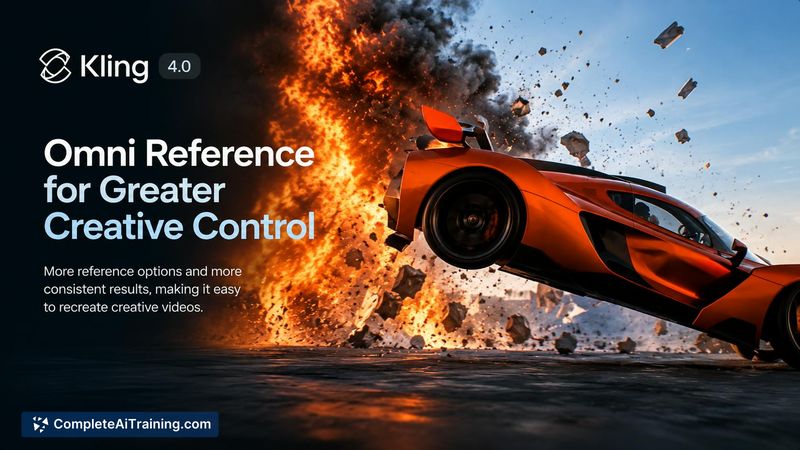
Kling 4.0 is an AI video generation model built for creators, marketers, and studios who need shot-by-shot control over their output. The model generates up to 30-second clips in a single pass using up to 10 keyframes, 15 reference assets, and 8,000-token prompts. It includes stereo audio, lip sync in more than 10 languages, and a feature called Creative Recreation that swaps products or characters within existing video footage.
Review
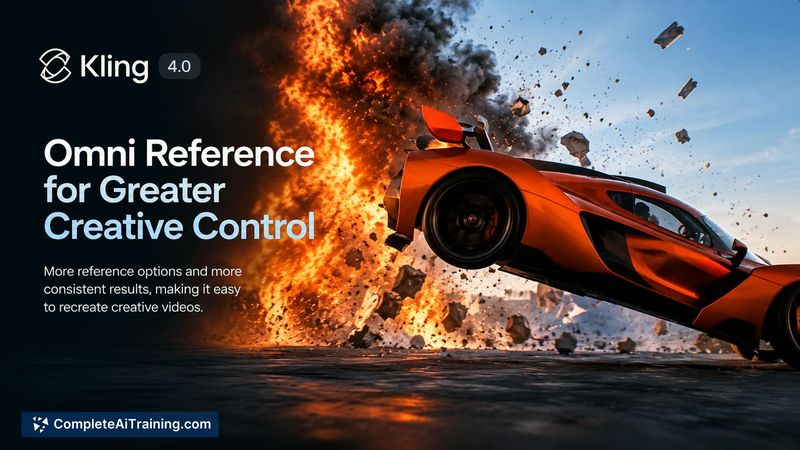
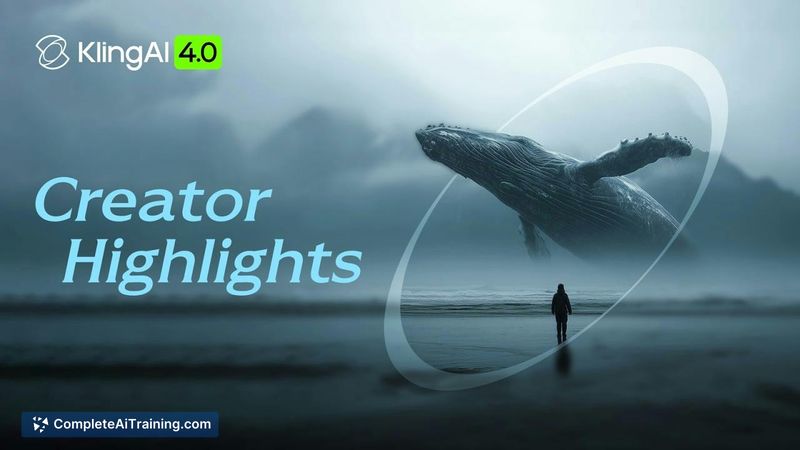
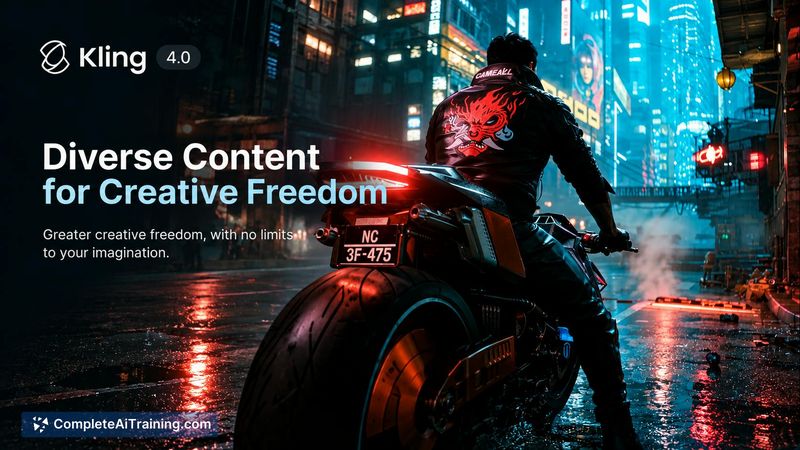
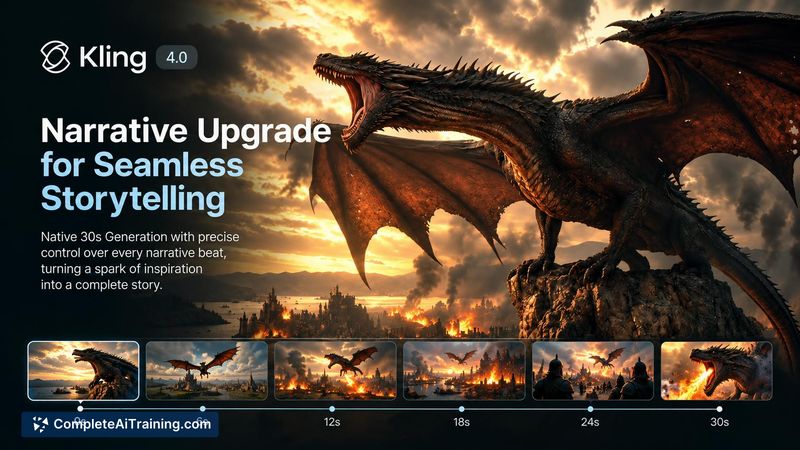
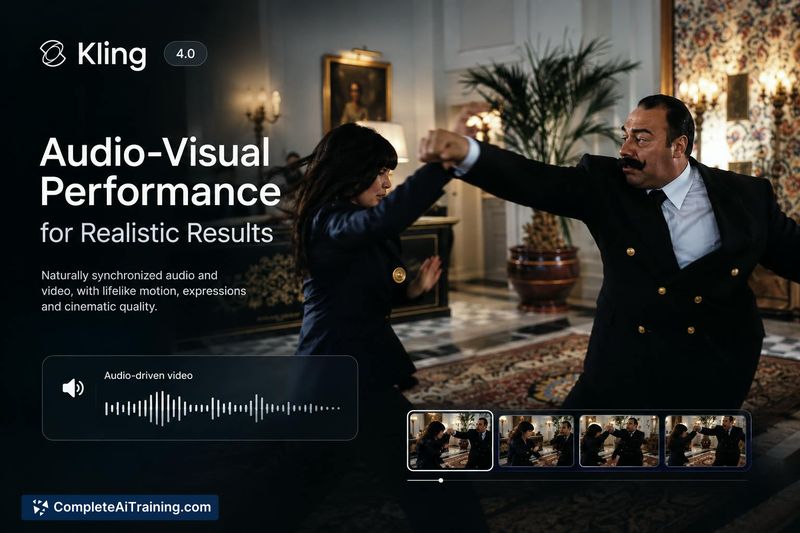
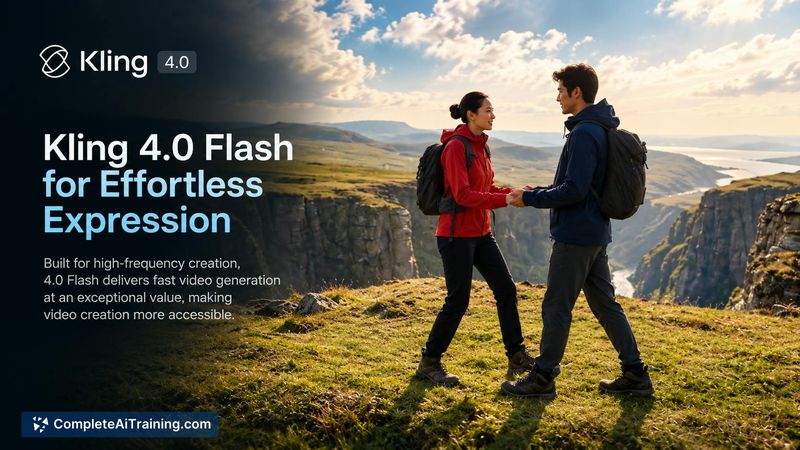
Kling 4.0 shifts the AI video workflow from single-prompt roulette to a structured, storyboard-driven process. Users set scene transitions and story beats before generation, which reduces reliance on repeated re-rolls. A lighter companion model, Kling 4.0 Flash, handles faster draft outputs at lower resolution and duration.
Key Features
- Multi-keyframe generation - Locks scene transitions and story beats using up to 10 keyframes per generation, with support for up to 15 reference assets such as storyboards, wireframes, and depth maps.
- Creative Recreation - Swaps a product or character in an existing video without regenerating the entire clip. The launch team notes this as a time-saver for ad variants.
- Built-in audio and lip sync - Produces stereo audio tracks and syncs lip movements to speech in over 10 languages within the same generation pass.
- Kling 4.0 Flash - A faster, lower-cost model that outputs up to 20 seconds at 720p. It's intended for drafts, social content, and testing ideas before committing to the full model.
- Agent workflow access - MCP and CLI interfaces let users plug Kling 4.0 into automated agent pipelines, rather than relying solely on the web interface.
Pricing and Value
The product page describes Kling 4.0 as "fast and affordable" and mentions that Kling 4.0 Flash is "cheaper" than the full model, but specific pricing tiers or per-generation costs are not yet defined in the available information. Users can try the tool at kling.ai, though the page does not clarify whether a free trial, credit system, or subscription applies.
Pros
- Up to 30 seconds of video in a single pass, which exceeds the typical short-clip limit of many competing generators.
- Keyframe and reference asset inputs give frame-by-frame control instead of relying on prompt interpretation alone.
- Creative Recreation allows localized edits to existing footage - swap a product or character without re-rendering the full scene.
- Lip sync and stereo audio are generated together with the video, removing the need for external audio tools.
- CLI and MCP access make it possible to integrate the model into scripted or agent-based workflows.
Cons
- Kling 4.0 Flash caps at 720p and 20 seconds, so users who need full-resolution drafts won't get them from the faster model.
- Pricing details are absent from the launch page, making cost comparisons difficult before signing up.
- The tool is not well suited for users who want a single-prompt, zero-prep video generator - its workflow expects storyboarding and asset preparation upfront.
Kling 4.0 fits teams that already work with storyboards, reference frames, or multi-language ad variants and want to carry that structure into AI generation. The Flash model is practical for high-frequency testing where speed matters more than resolution. Creative Recreation, in particular, targets marketers iterating on product placements across video campaigns without starting from scratch each time.