AI tool
Living Brain
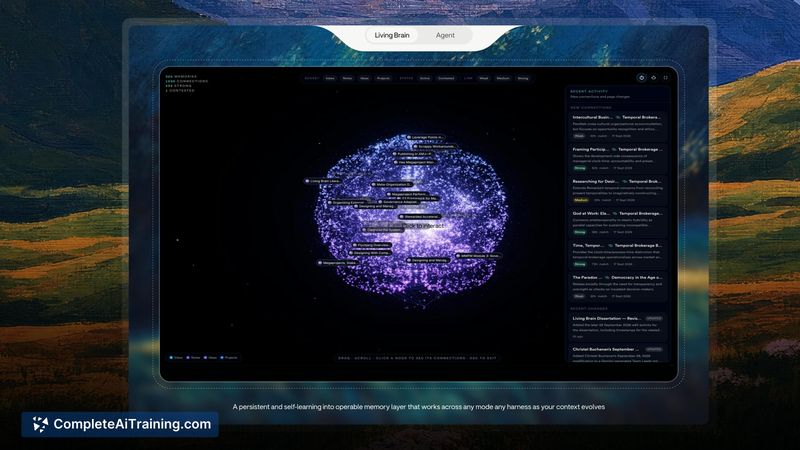
Living Brain captures knowledge from AI conversations and links it to what you already know, building a persistent memory that grows over time. It lets developers and teams share that memory across models and apps via API, SDK, or MCP.
About Living Brain
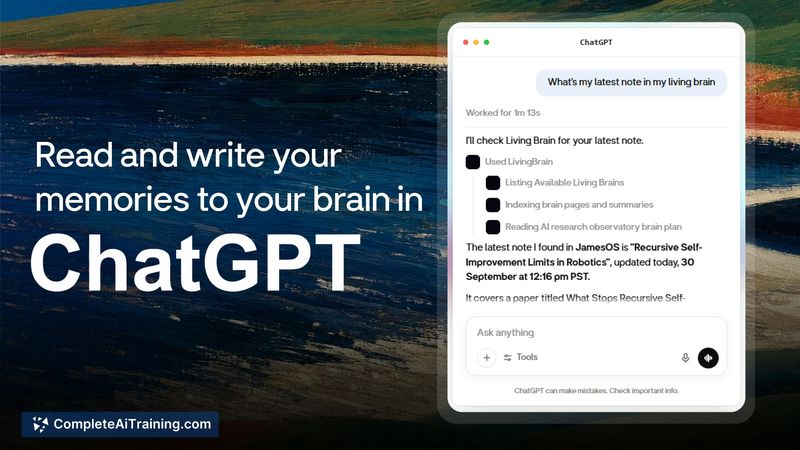
Living Brain is an AI memory layer developed by ChatAndBuild that gives models a persistent, interoperable memory. It captures knowledge from conversations, notes, and documents, then connects that information so it can be reused across multiple AI tools. The memory travels with you through API, SDK, or MCP integrations to platforms like ChatGPT, Claude, Gemini, and Cursor.
Review
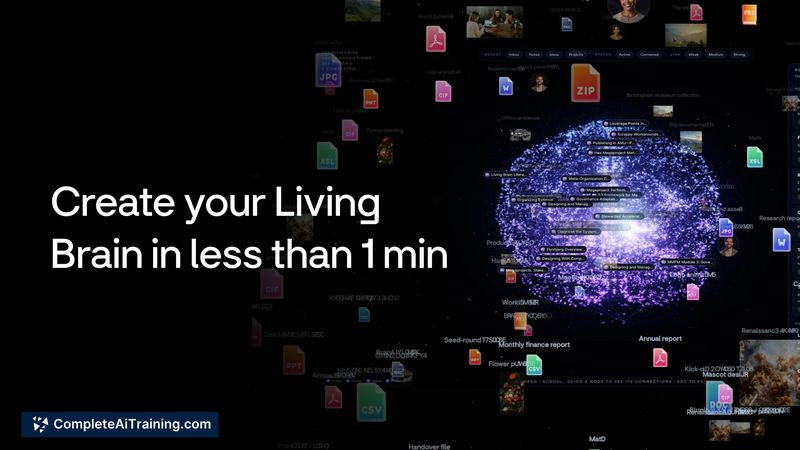

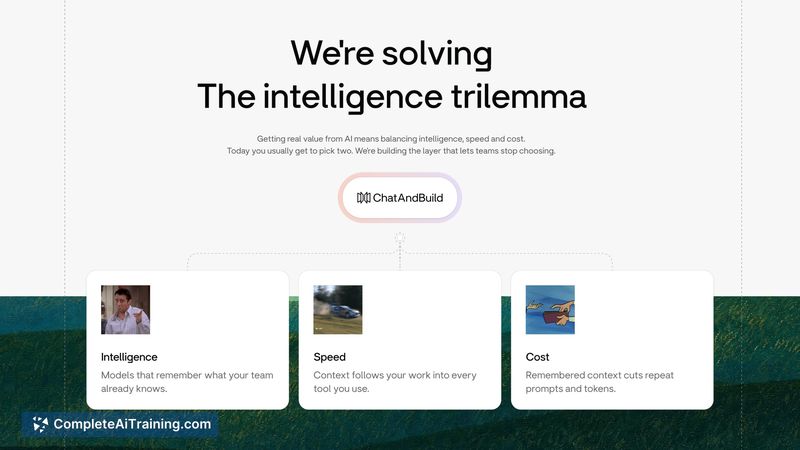
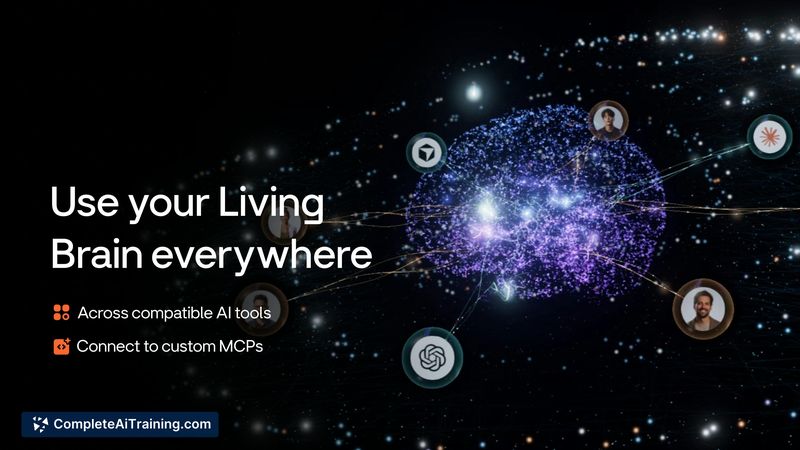

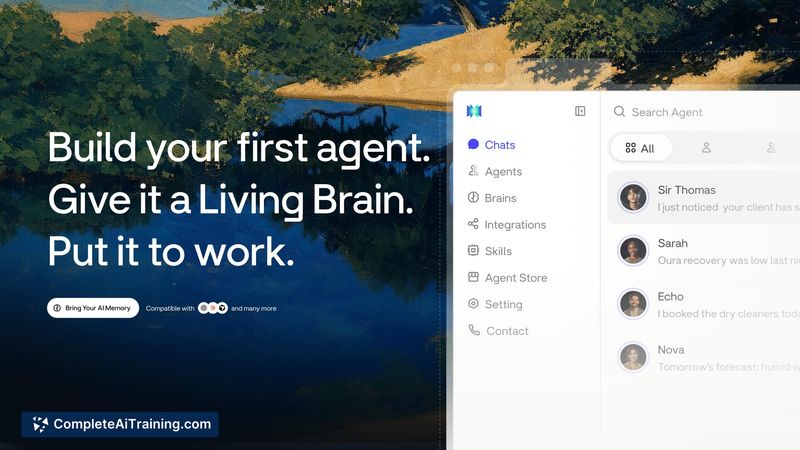
Living Brain tackles a specific friction point: the need to re-explain context every time you switch AI tools or start a new session. It works as a shared memory backend that your various AI assistants can query, so accumulated project knowledge doesn't get siloed in individual chat threads. The tool is currently in its launch week and requires payment, though exact pricing details aren't specified in the available materials.
Key Features
- Build memory "brains" around projects, work preferences, and knowledge that persist across sessions
- Reuse the same memory across ChatGPT, Claude, Gemini, OpenClaw, Hermes, Cursor, Codex, and other compatible tools
- Inspect saved memory content, sources, links, and buckets to understand what was retained and why
- Memory health scores (Freshness, Strain, Readiness) indicate when stored information may need review or removal
- API access lets developers give their own applications and agents persistent context
Pricing and Value
Living Brain is listed as a paid product, but specific subscription tiers or per-use costs have not been published yet. The tool's value hinges on how much time you currently lose re-establishing context across AI platforms. For heavy multi-model users, a persistent memory layer could reduce repetitive prompting, though the return depends entirely on integration depth and retrieval accuracy in daily workflows.
Pros
- Model-independent design means memory isn't locked to a single AI provider
- Transparent memory inspection shows sources and lets you deprecate stale entries
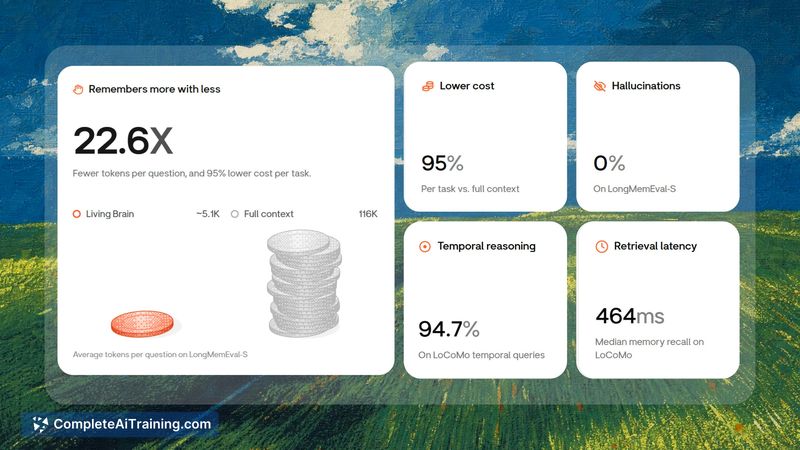
- Internal benchmarks report 92.2% judged accuracy on LoCoMo with approximately 63.8% less context needed
- Multiple integration paths (API, SDK, MCP) accommodate different technical setups
- Health scores give a quick signal on memory quality without manual review
Cons
- Pricing information is absent from launch materials, making cost evaluation impossible before signup
- As a newly launched product, long-term reliability and retrieval consistency across all listed integrations remain unverified
- Not well suited for users who work primarily within a single AI ecosystem and rarely switch between tools
Living Brain fits teams and individuals who regularly move between multiple AI assistants and need project context to follow them. Developers building agents that require continuity across sessions may also find the API useful. Single-platform users who rarely repeat context will see fewer practical benefits from a cross-tool memory layer.