About Luzo
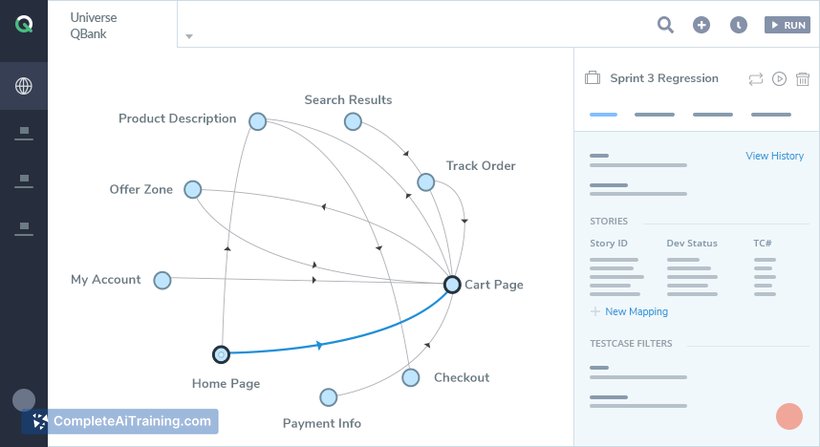
Luzo is a desktop-first, open-source tool for building, running, and debugging multi-step API workflows. It focuses on treating requests as parts of a flow so you can pass variables between steps, inspect execution with a live timeline, and retry from a failing step without restarting everything.
Review
Luzo targets developers and QA teams who work with real API workflows rather than isolated requests. Its visual flow editor and execution timeline make it easier to see dependencies, trace data movement between steps, and diagnose where a run failed.
Key Features
- Visual flow builder for composing multi-step API workflows with a desktop-first interface
- Dependency-aware execution that determines and runs steps in the correct order
- Variable passing between steps and step-level inspection of responses
- Live execution timeline with the option to retry from a failed step instead of rerunning the entire flow
- Open-source and free to use, suitable for local development and debugging
Pricing and Value
Luzo is offered as an open-source, free tool, which makes it accessible for individual developers, QA engineers, and small teams. The value proposition is strongest when you need to model and debug chains of API calls rather than single requests: it reduces time spent piecing together logs and rerunning sequences. Teams that require integrated cloud collaboration, hosted projects, or advanced conditional routing may find some limitations in the current desktop-first release.
Pros
- Clear visual representation of multi-step API workflows helps clarify data flow and dependencies
- Execution timeline and step-level retry speed up debugging and reduce repetitive runs
- Automatic ordering of dependent steps minimizes manual orchestration
- Open-source and free, enabling local use and inspection of the codebase
- Built with developers and QA workflows in mind rather than single-request testing
Cons
- No built-in conditional branching on failures yet (cannot automatically route to alternate paths based on a step outcome)
- Desktop-first approach may limit browser-based collaboration or hosted/team features for distributed teams
- As a newly launched project, advanced handling for complex auth flows and production rate-limit scenarios may need further polish
Overall, Luzo is a strong fit for developers and QA engineers who regularly chain API calls and want clearer visibility into execution and failures. It works best for desktop-focused workflows and teams willing to use an open-source tool while some collaborative and advanced features are still being developed.
Open 'Luzo' Website
Your membership also unlocks: