AI tool
Machine Payments Protocol
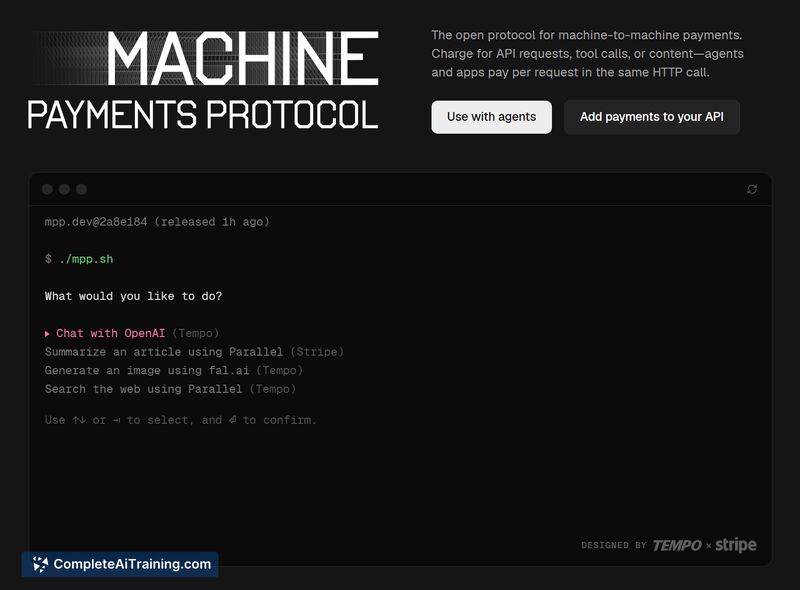
Machine Payments Protocol (MPP) is an open standard that lets AI agents pay services and APIs programmatically, enabling automated, secure billing and direct service-to-service payments.
About Machine Payments Protocol
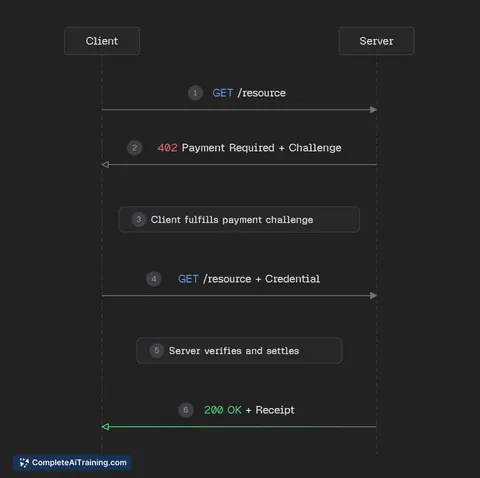
Machine Payments Protocol is an open standard that enables AI agents to pay for services programmatically. It defines a simple HTTP-based flow so an agent can receive a payment request, fulfill it with a token or on-chain stablecoin, and then retry the request with a payment credential.
Review
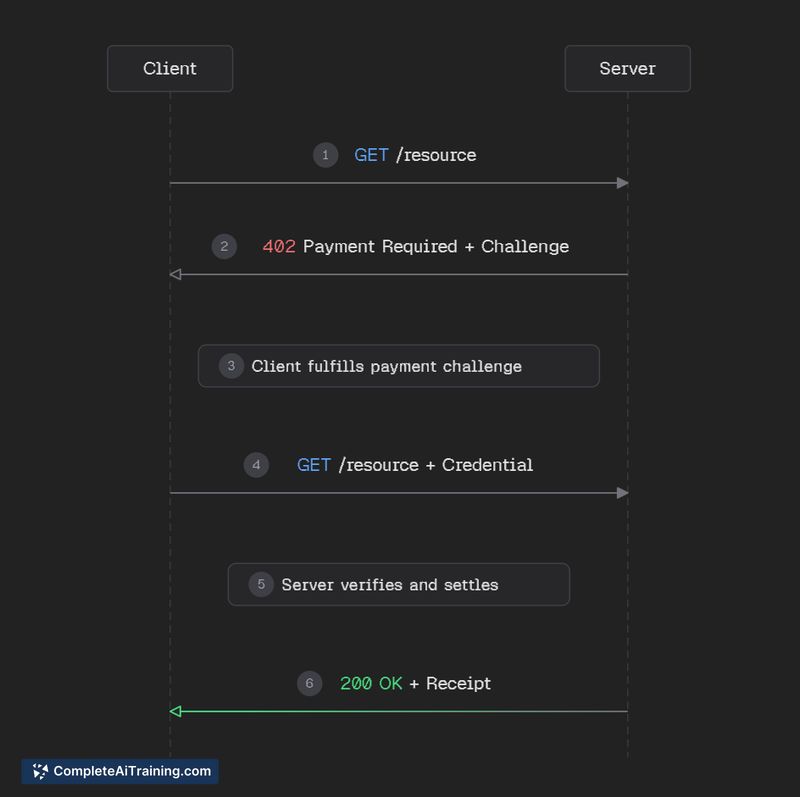

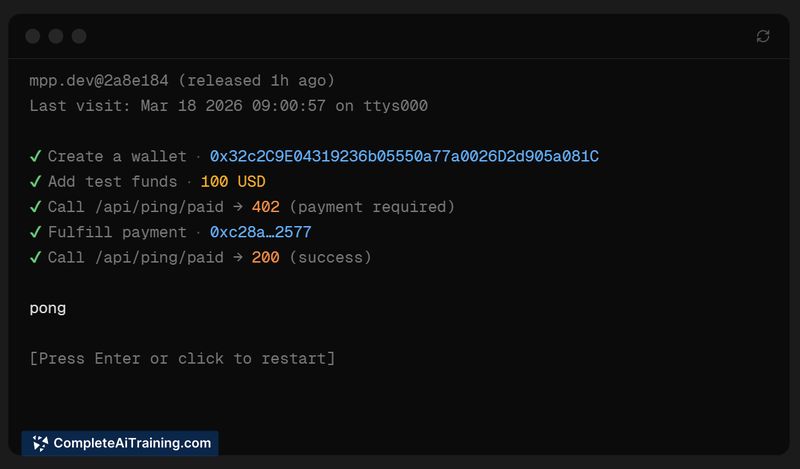
Machine Payments Protocol addresses a clear friction point for autonomous agents: human-oriented checkouts and interactive payment flows. By moving payment handling into a protocol response and credential exchange, it makes per-call billing and automated purchases practical for agent-driven workflows.
Key Features
- HTTP 402 payment-response flow that signals a gated resource and provides payment details.
- Support for programmatic fulfillment using on-chain stablecoins or fiat Shared Payment Tokens.
- Credential-in-header retry mechanism so agents can resume requests after payment.
- Enables per-call monetization and microtransactions for APIs and agent actions.
- Designed to integrate with existing payment balances and settlement paths on the provider side.
Pricing and Value
The protocol itself is offered as a free open standard, so there is no protocol fee to adopt. Value comes from reducing manual billing friction and enabling automated, per-call revenue for APIs and services used by agents. Implementers should plan for normal payment-rail costs (transaction fees, settlement fees, or on-chain gas) and potential integration effort to connect the protocol to existing billing and fraud controls.
Pros
- Makes agent-driven purchases and per-call billing feasible without manual checkout steps.
- Uses simple, HTTP-native signals that are familiar to web developers.
- Supports both crypto and fiat payment approaches, offering flexibility for different markets.
- Can enable new business models for API providers and agent marketplaces.
Cons
- Adoption depends on wide support by API providers and payment processors to be broadly useful.
- Introduces new security and fraud considerations that teams must address when accepting programmatic payments.
- Integration requires changes to existing API error handling, billing systems, and settlement flows.
Machine Payments Protocol is well suited for API providers, platform teams building autonomous-agent integrations, and developers experimenting with microtransactions for programmatic workflows. It offers clear benefits where automated purchases and per-call monetization are priorities, but organizations should weigh integration effort and security controls before deployment.
Alternatives to Machine Payments Protocol
Other tools that do the same main job. Our AI compared Machine Payments Protocol with similar tools and kept the ones you could use instead.