AI tool
MausBot
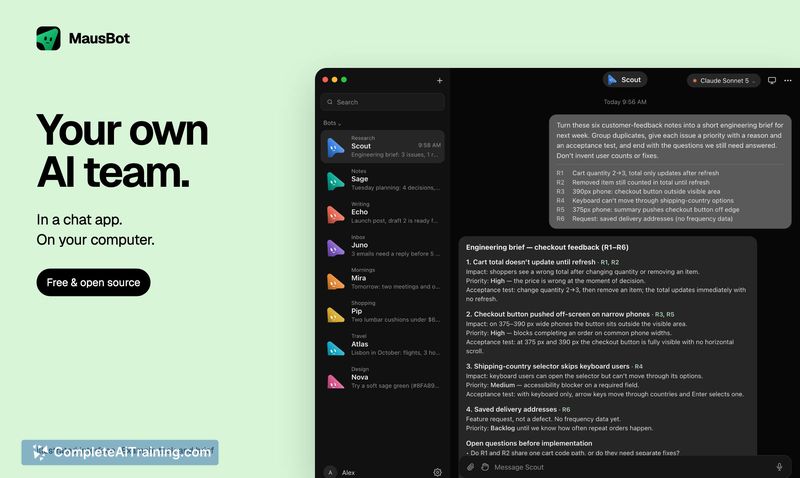
MausBot is an open-source team of AI bots that work together in a chat app. Users assign each bot a job, choose its model, and let them run tasks in parallel for research, writing, and coding. It is for developers and teams who want a free, self-h...
About MausBot
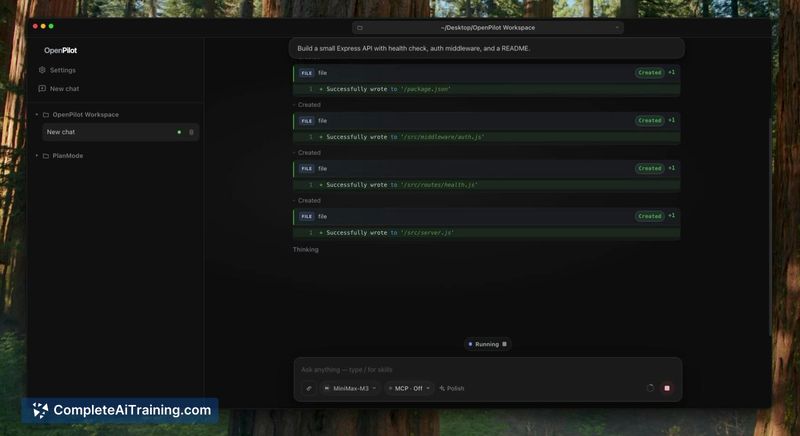
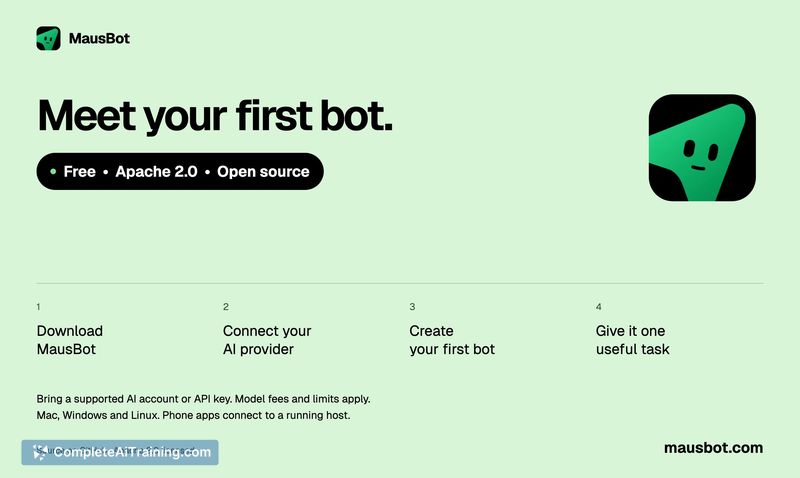
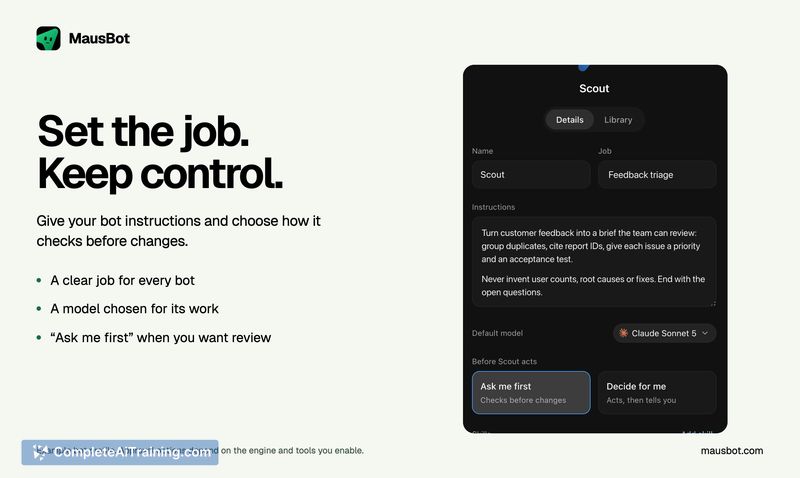
MausBot is a free, open-source desktop application that lets users run multiple AI agents inside a single chat interface. Each bot gets a specific job, uses a chosen provider model, and keeps its conversations and work together in one place. The project is released under the Apache 2.0 license and requires users to bring their own provider accounts or API keys.
Review
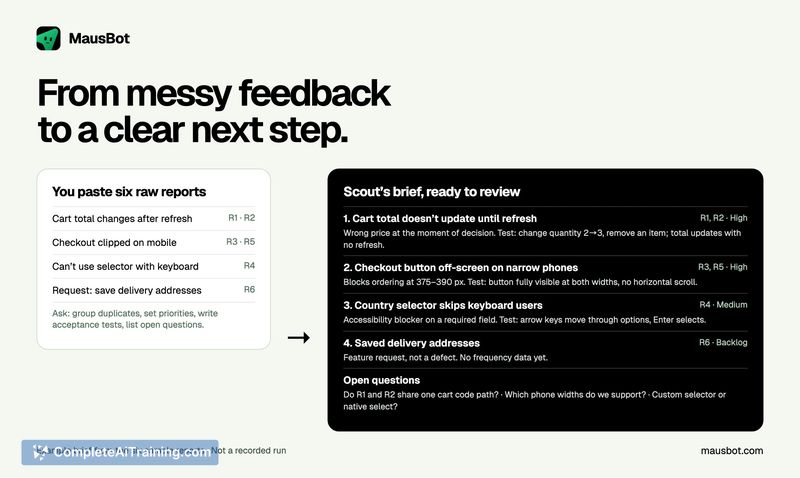
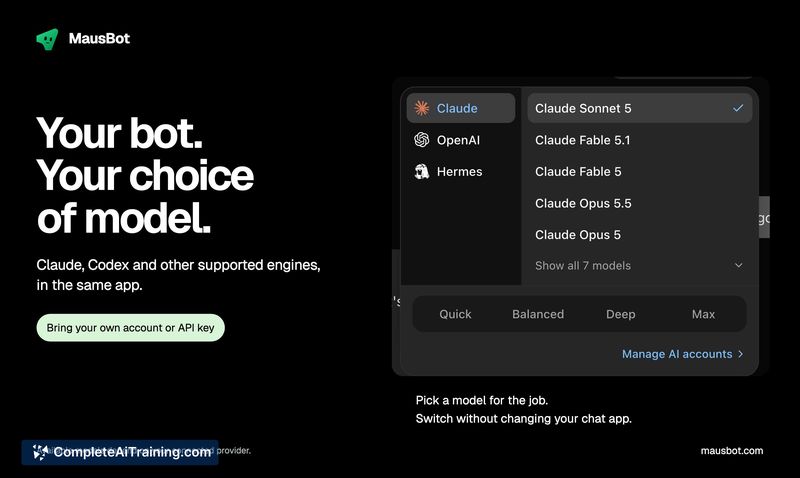
MausBot launched as an open-source alternative shortly after Grokbot appeared, with the makers releasing their code within hours of that product's debut. The app runs locally on a user's machine and supports a growing list of agent engines and voice providers. It's built for people who want to orchestrate multiple AI agents without switching between different tools, and who prefer to inspect or modify the source code themselves.
Key Features
- Run multiple bots in parallel within a single chat interface, assigning each one a distinct job and model.
- Integrate agent engines including Claude Code, Codex 3.0 by OpenAI, Grok, Kimi, Factory's Droid, Pi Coding Agent, Cursor, OpenCode, Google Antigravity, and Nous Research's Hermes Agent.
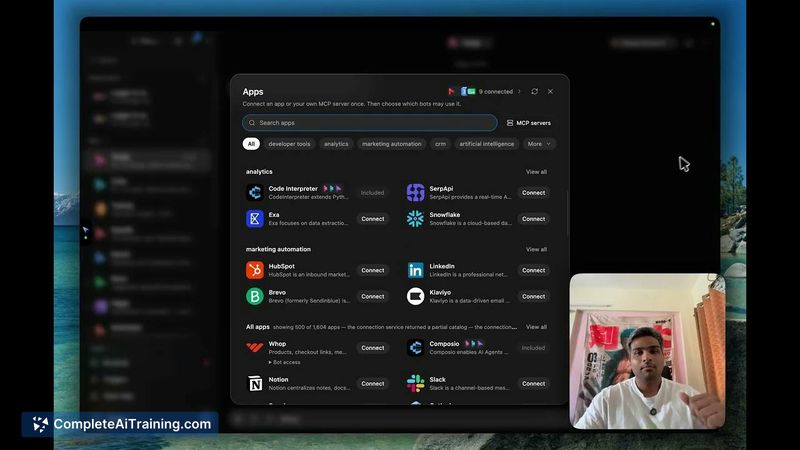
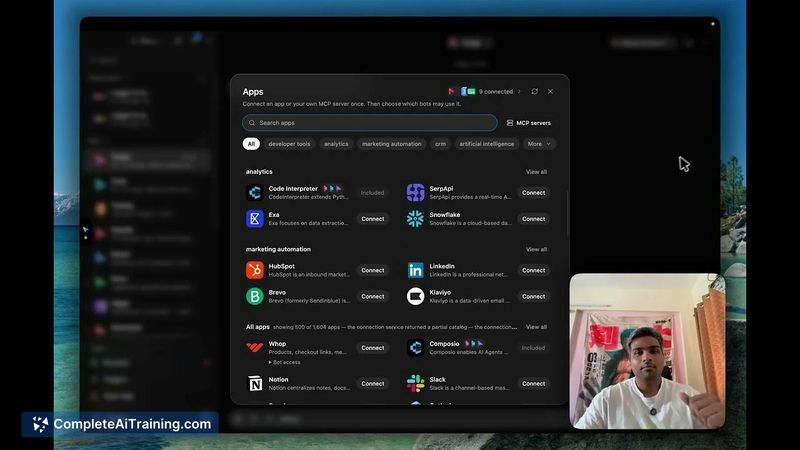
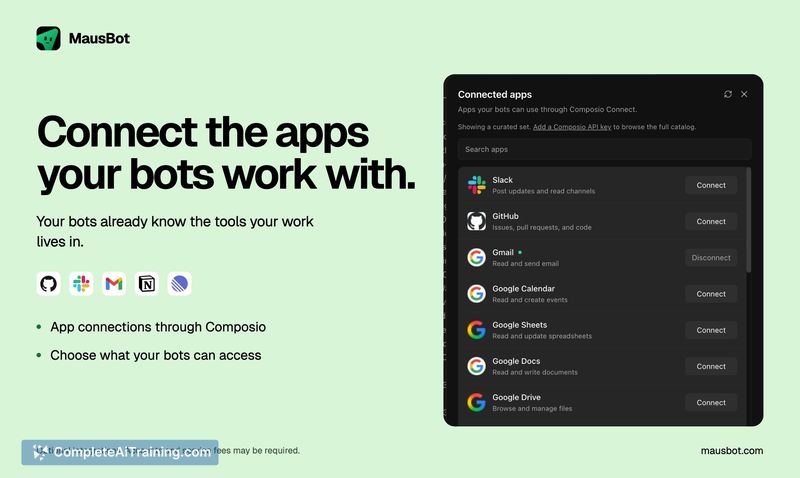
- Connect bots to external tools like Gmail, Slack, GitHub, and Notion through a Composio integration layer that handles authentication.
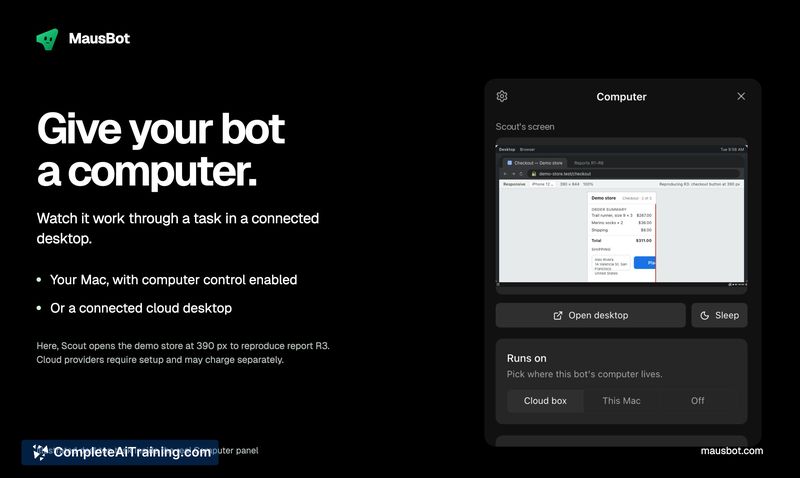
- Group bots together and give them a shared goal, with work happening locally on a Mac or an optional cloud desktop.
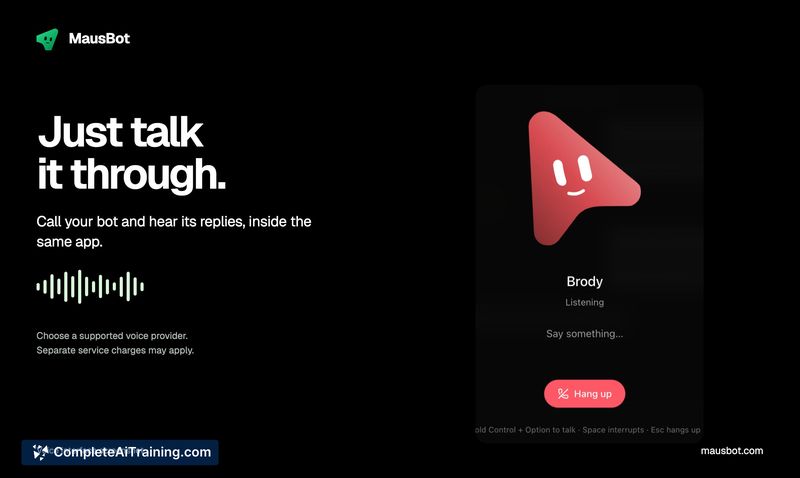
- Use voice providers such as ElevenLabs, Fish Audio, and Grok for spoken bot replies within the same conversation thread.
Pricing and Value
The desktop application itself is free and open source. Users must supply their own supported AI provider account or API key, so individual provider fees and usage limits apply. Paid cloud hosting is available as an option, though it is not required to use the tool. The makers have not published a pricing page for any MausBot-specific services beyond the optional cloud hosting.
Pros
- Source code is publicly available on GitHub under Apache 2.0, allowing inspection, modification, and community contributions.
- Works with existing AI subscriptions-users plug in accounts they already have rather than paying for a new service.
- Keeps agent processes local, which gives users control over file access, permissions, and approval settings.
- Groups of bots can collaborate on larger tasks, sharing information toward a common goal set by the user.
- Supports a wide range of agent engines and voice providers within a consistent chat interface.
Cons
- Requires technical comfort with API keys, provider accounts, and local setup-users without that background may find the initial configuration difficult.
- Not well suited for people who want a fully managed, plug-and-play service with no dependency on third-party provider accounts.
- As a newly launched open-source project, the documentation and community support resources are still developing.
MausBot fits users who already hold subscriptions to supported AI providers and want a single desktop interface to coordinate multiple agents for research, writing, and coding tasks. It's also a practical option for those who prefer open-source tools they can audit and modify. Teams looking for a turnkey, fully hosted solution with dedicated support may find the current setup requirements less aligned with their needs.