AI tool
Melete
Melete is a 24/7 AI agent that runs on its own computer and browser, connected to your email and calendar. It works autonomously, asks before taking important actions, and is for people who want an open, model-agnostic agent they can inspect and c...
About Melete
Melete is a personal AI agent that runs on its own computer and operates continuously. It maintains persistent memory across sessions, so users don't need to re-explain projects when switching models or returning after time away. The core infrastructure is open source, with a managed cloud runtime currently on a waitlist.
Review
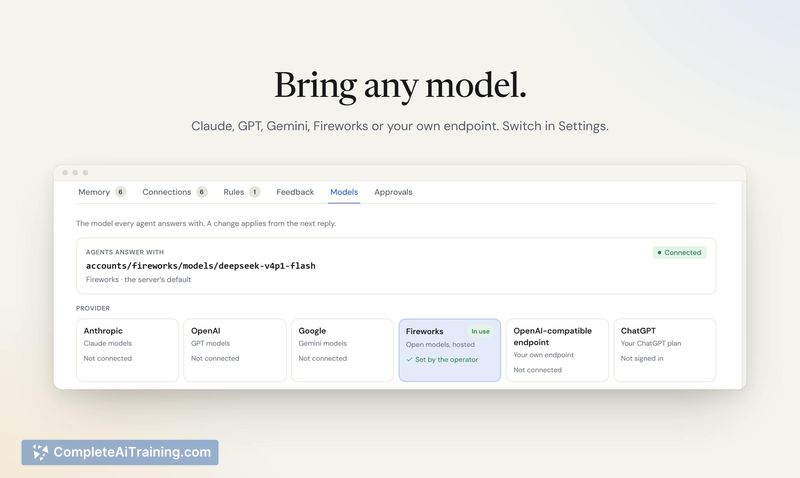
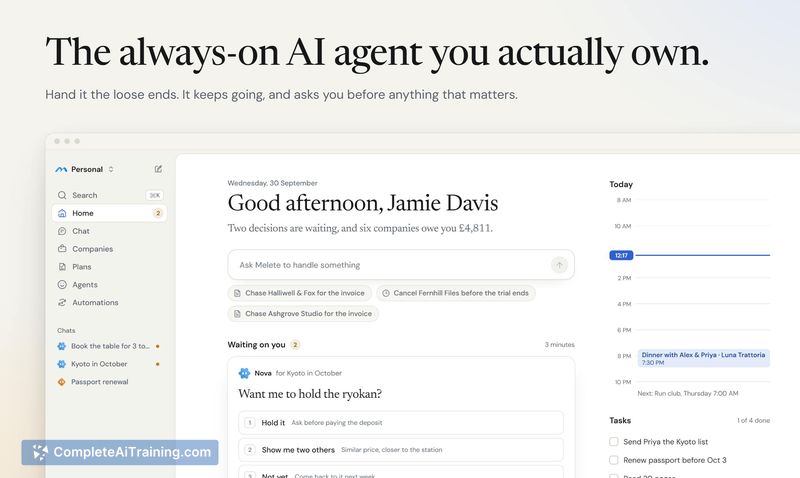
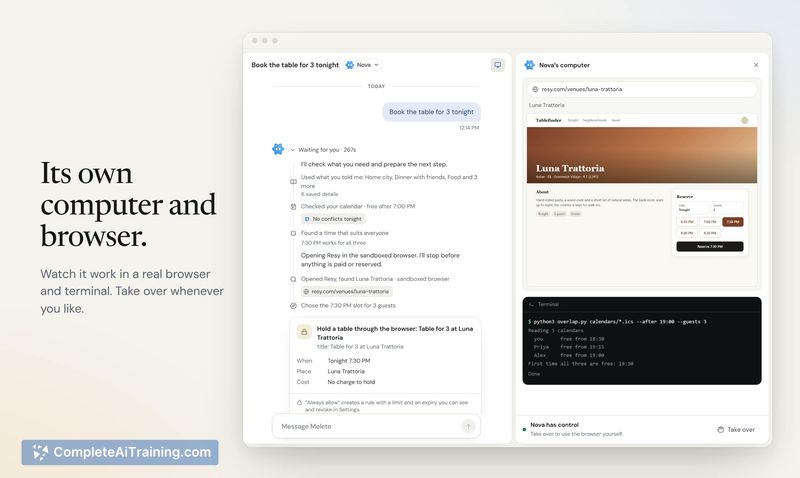
Melete enters a space that's gaining attention-always-on agents with their own computing environment-and stakes out a position around user ownership and transparency. The agent keeps working when you close your laptop, picks up threads after weeks of inactivity, and lets you swap between Claude, GPT, Gemini, or open models without losing context. What's available now is functional but early; the open-source stack runs locally for those comfortable with self-hosting, while the cloud version routes to models and manages sandboxes for users who prefer not to handle infrastructure themselves.
Key Features
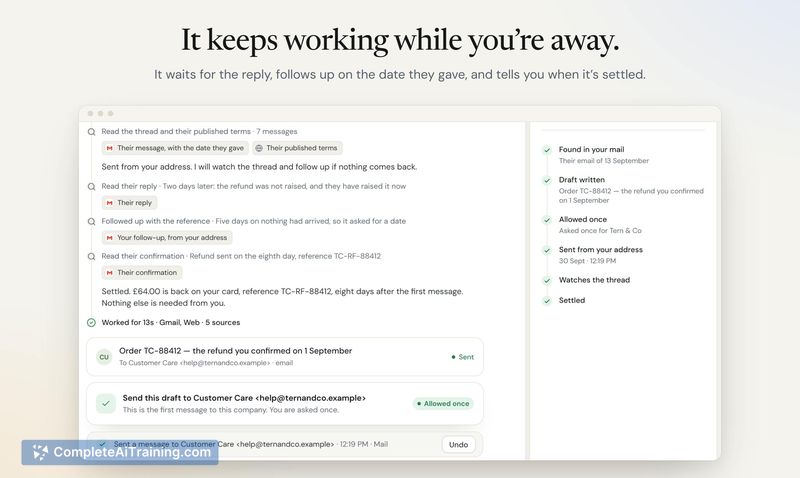
- Runs 24/7 on its own computer with its own browser, connected to your email and calendar
- Remembers project context, past decisions, and approaches that didn't work, so returning to a task doesn't require re-briefing
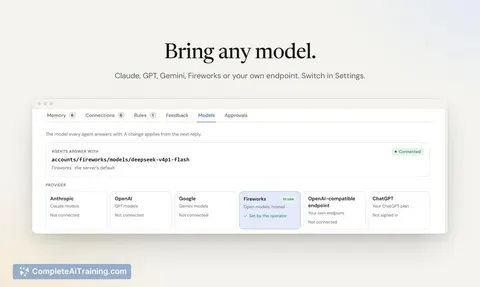
- Switches between Claude, GPT, Gemini, or open models at any time while preserving agent history
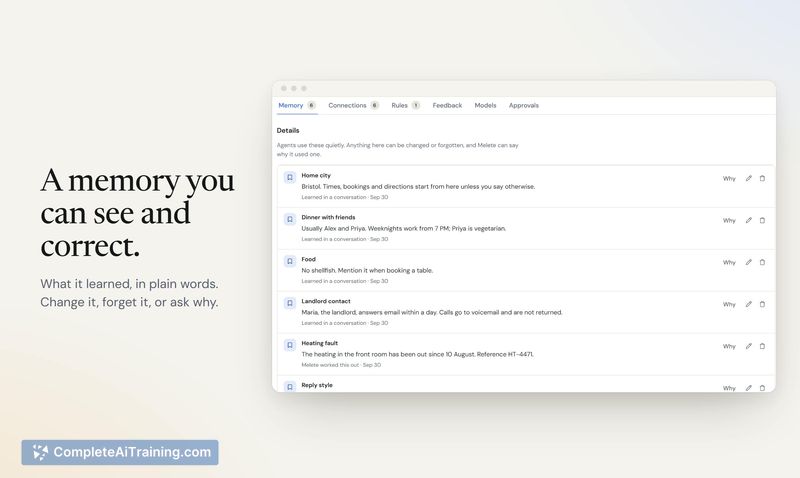
- Shows what it has learned about you and accepts corrections to that memory
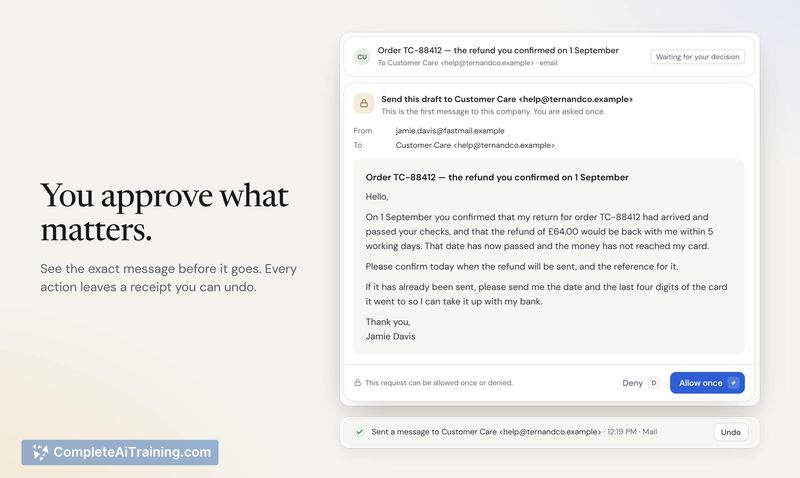
- Asks for approval before sending anything that matters and logs a receipt for every action taken
Pricing and Value
The open-source core is free to self-host. Pricing for Melete Cloud is not yet defined; the managed runtime is currently open for waitlist signups. For companies, a small number of pilot teams are being accepted through the website. Early waitlist members get priority access and direct input on development priorities.
Pros
- Persistent memory survives model switches, so upgrading to a newer model doesn't wipe project history
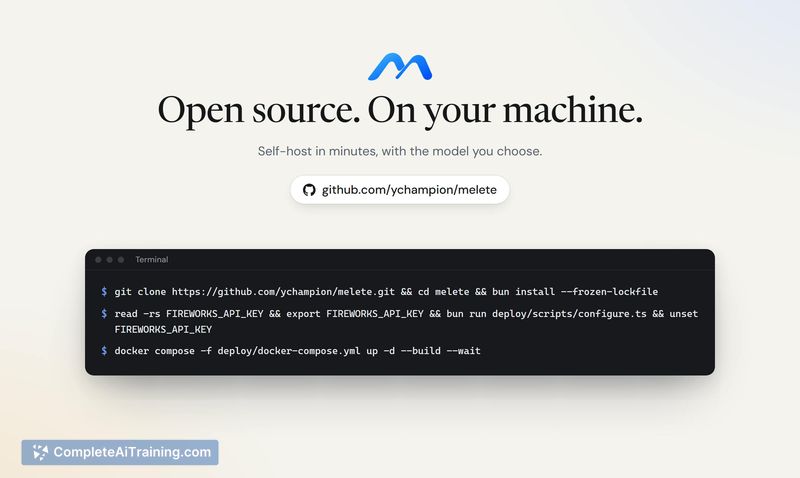
- Open-source core lets technically inclined users inspect the full stack and run it on their own hardware
- Action receipts and mandatory approval gates create an auditable trail of agent decisions
- Model-agnostic design avoids lock-in to any single AI provider
- Correction mechanism lets users prune or adjust what the agent remembers about them
Cons
- Self-hosting requires comfort with connecting models, sandboxes, and VMs-the maker acknowledges the open-source version still has bugs being fixed
- Cloud runtime isn't generally available yet, so users who don't want to self-host can only join a waitlist
- Not well suited for users who need a polished, fully managed experience today with clear SLAs and support guarantees
The tool's transparency-first approach-open code, traceable actions, user-owned memory-speaks to people who want an agent but don't want to hand over control to a black-box service. It fits developers and technical teams who can self-host during this early phase, as well as organizations willing to pilot a workspace where team members approve agent actions before they go out. For those who want to set it and forget it without touching infrastructure, the waitlist is the only path for now.