AI tool
Mycel
Mycel runs a temporary, isolated machine for each client job, checks outputs for consistency, and learns from your edits. It is built for client services professionals who serve as the final reviewer on reports, updates, and decks.

About Mycel
Mycel is an AI workflow automation tool built for service businesses that produce recurring client deliverables. It drafts reports, audits, proposals, invoices, and other client-facing outputs inside disposable sandboxes that don't store credentials. Nothing reaches a client until a human approves it, and the system logs edits to learn from corrections over time.
Review
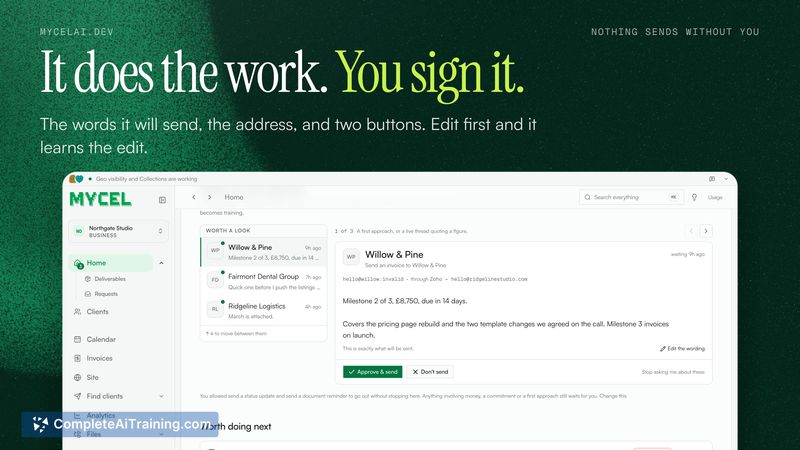
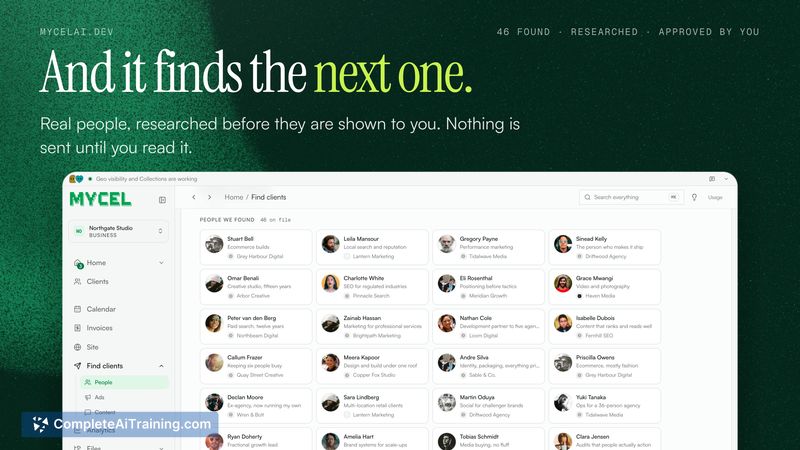
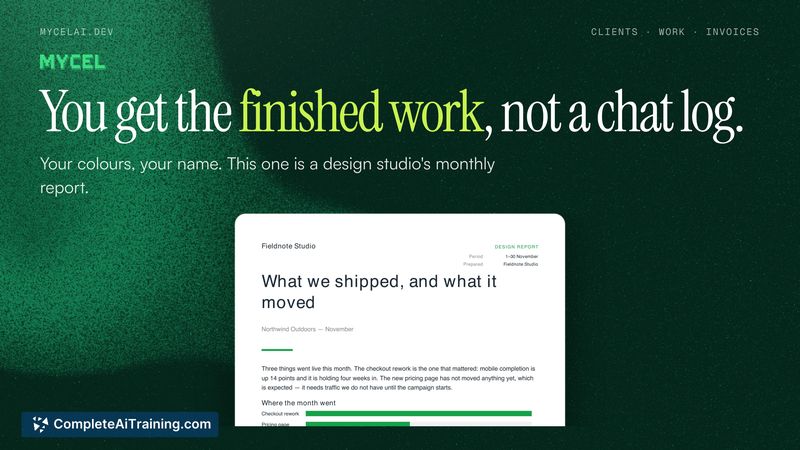
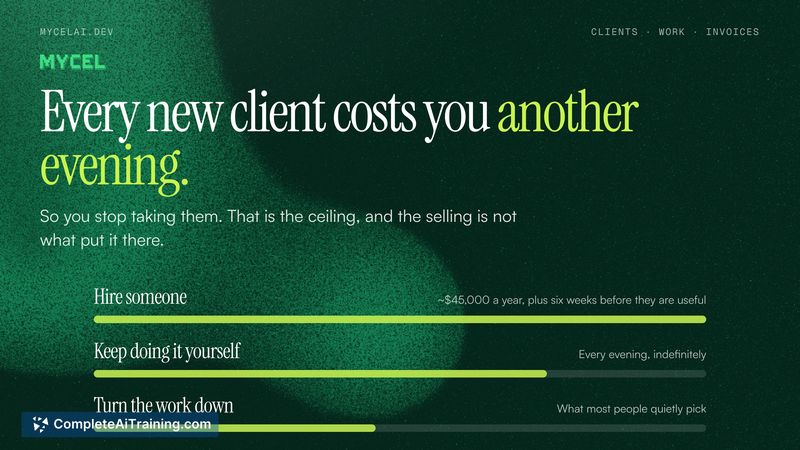
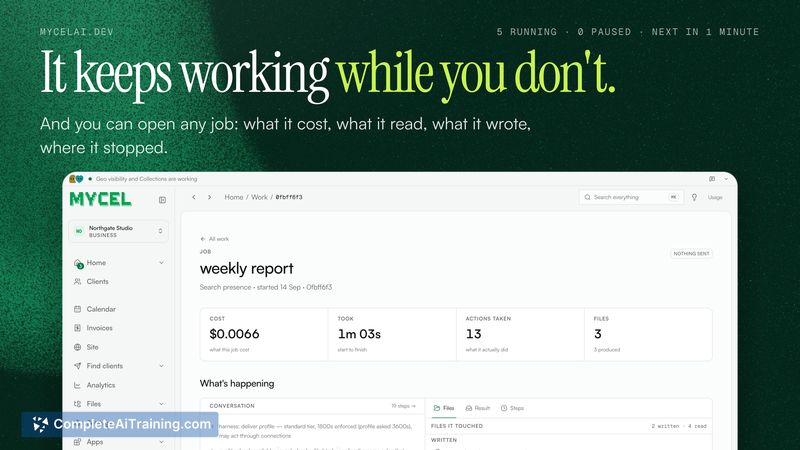
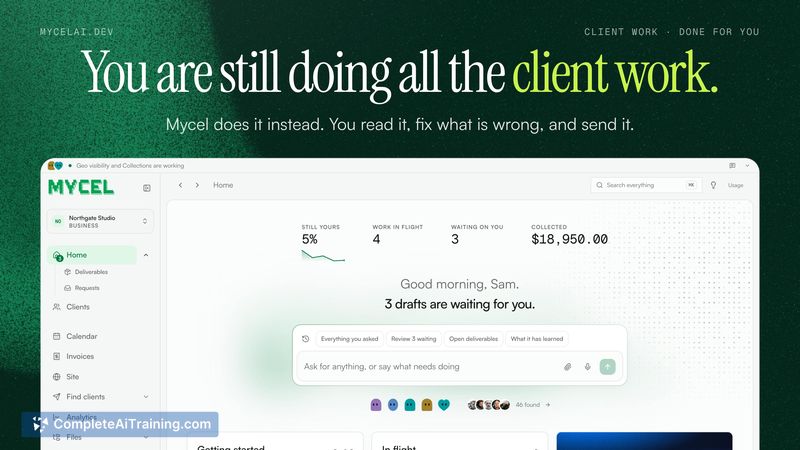
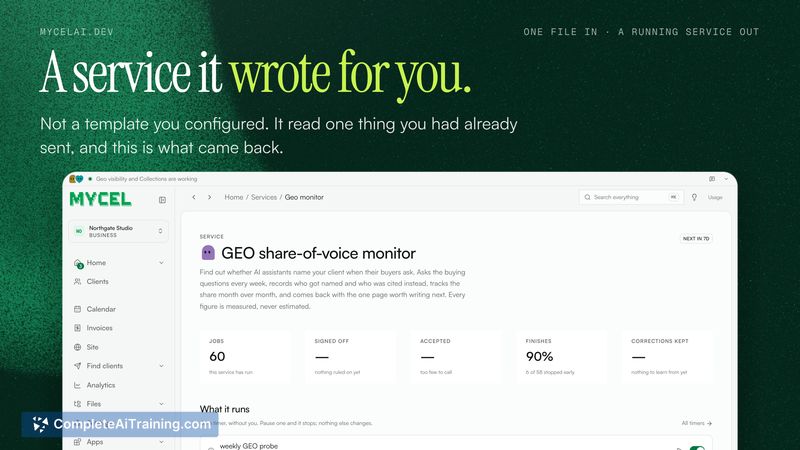
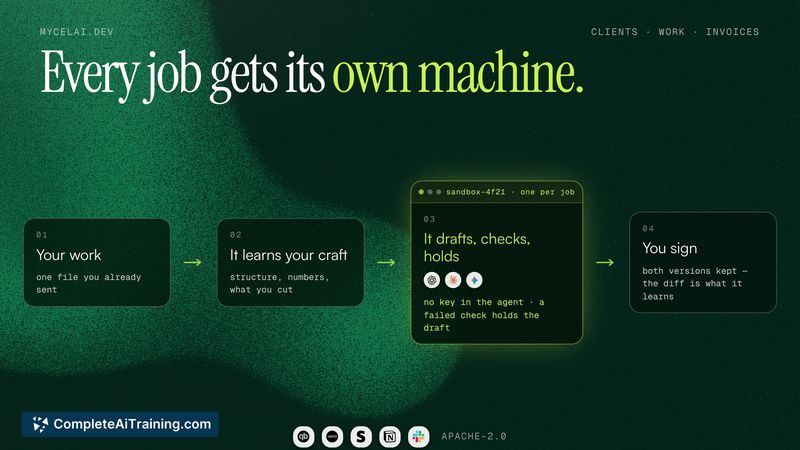
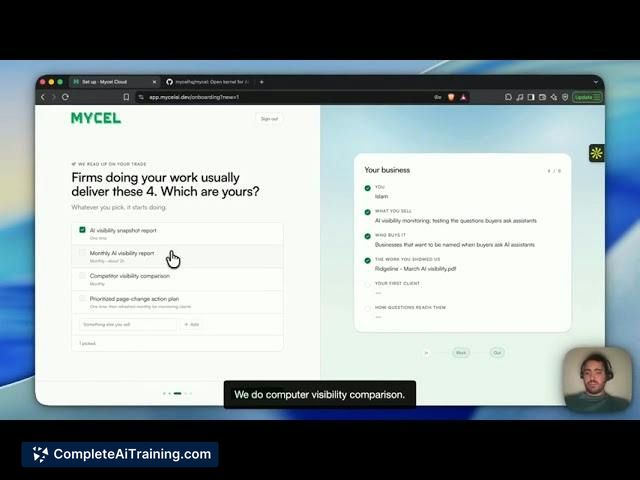
Mycel approaches client work automation with a specific constraint: the human stays as the final gatekeeper. The tool doesn't replace decision-making-it generates drafts, checks them for internal consistency, and holds them until sign-off. That design choice shapes every feature, from the sandbox architecture to the diff-based learning system that tracks what you change between versions.
Key Features
- Disposable sandbox per job. Each task spins up its own isolated machine that runs the work and gets destroyed afterward. The agent never holds API keys, credentials, or access tokens across sessions.
- Output validation checks. Before a draft reaches you, the system runs consistency checks-for example, flagging when a summary mentions four findings but a table lists five. It holds the draft and requires an explanation for the mismatch.
- Edit-aware learning from diffs. When you correct a draft before approving it, Mycel stores both versions and uses the diff to build rules. Those rules get retrieved on future drafts for the same client, so an open item doesn't disappear between monthly deliveries.
- Scheduled timers. Five timers are active in the current demo, handling tasks like chasing unpaid invoices, resuming stalled work, and maintaining business listings. Jobs run on a clock without someone starting them each morning.
- Multi-format deliverables and integrations. Outputs include PDFs, CSVs, emails, invoices, and direct CMS publishing through connectors. The platform also supports APIs and webhooks, and the maker confirms thousands of integrations are available.
Pricing and Value
Mycel costs $299 per month for the hosted version. A self-hosted option is available at no charge, but users pay for their own AI tokens, integration costs, and infrastructure. The maker notes that self-hosting means handling infrastructure issues independently. A launch promotion offers 50% off for three months.
Pros
- Sandbox-per-job architecture means credentials aren't persisted across tasks, reducing exposure if something goes wrong.
- Output validation catches inconsistencies before a human reviews the draft, which can cut down on repetitive checking.
- Edit diffs create persistent rules tied to specific clients, so corrections compound rather than resetting each session.
- Scheduled timers automate recurring operational tasks like invoice follow-ups without manual triggers.
- Self-hosted option exists for teams that want full control over infrastructure and data.
Cons
- Document generation has the most real-world usage so far; the ad creation and CMS publishing features are newer and have limited mileage according to the maker.
- Pricing at $299/month puts it above impulse-buy range for solo operators testing whether AI fits their workflow.
- Mycel isn't well suited for businesses whose client work is highly non-repetitive or requires deep creative judgment on every output-the learning system depends on patterns across similar deliverables.
Mycel fits service businesses that produce structured, recurring client outputs-monthly reports, SEO audits, candidate shortlists, security questionnaires-where the process repeats but the content shifts. It's less relevant for one-off consulting engagements or creative work that resists templating. The edit-learning loop and consistency checks address two real friction points in AI drafting: forgotten corrections and silent errors that slip through. How much time it actually saves depends on how repetitive your client work really is.
Jobs Mycel suits
We checked Mycel against 500+ jobs; these get the most out of it.
Alternatives to Mycel
Other tools that do the same main job. Our AI compared Mycel with similar tools and kept the ones you could use instead.