AI tool
Navige
Navige routes AI agent requests to the smallest suitable model to reduce costs without changing the original model. It is built for engineering teams who want per-task and per-agent cost visibility, budgets, and audit trails.
About Navige
Navige is an AI infrastructure tool that sits in front of calls routed through it to reduce agent costs while work runs. It uses what the team calls Sufficiency Intelligence to assess each request and send suitable tasks to smaller models, while keeping the user's chosen model as a ceiling. The product launched with a free Watchtower tier that observes and reports on spending without making changes until the user activates controls.
Review
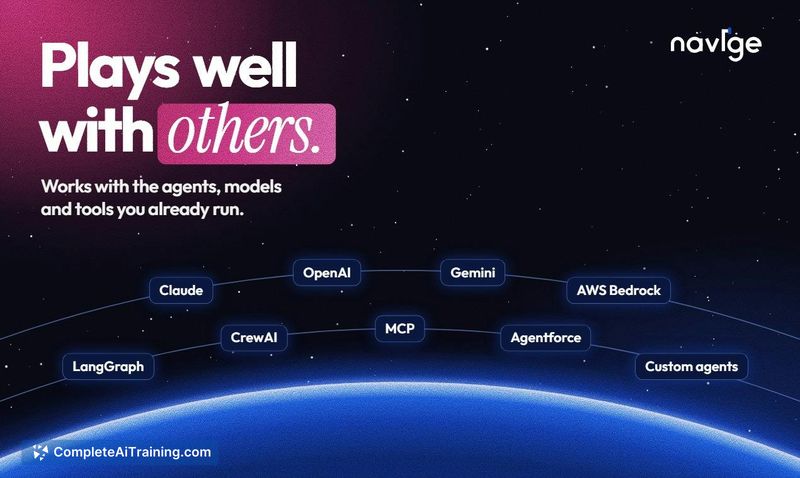
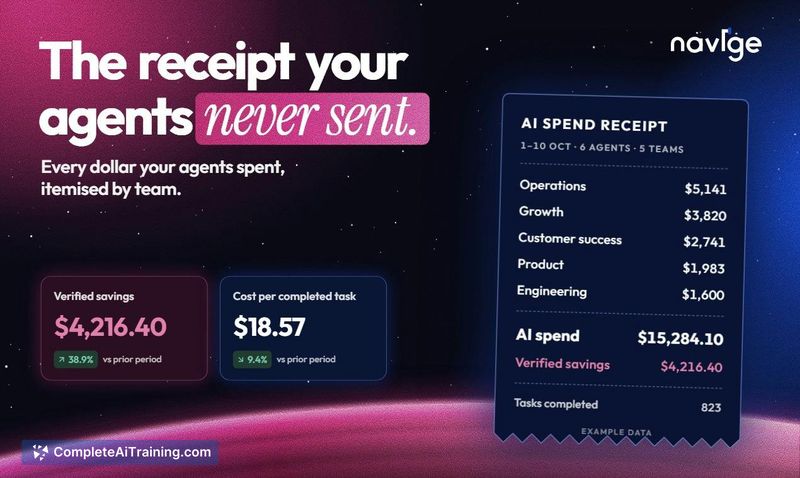
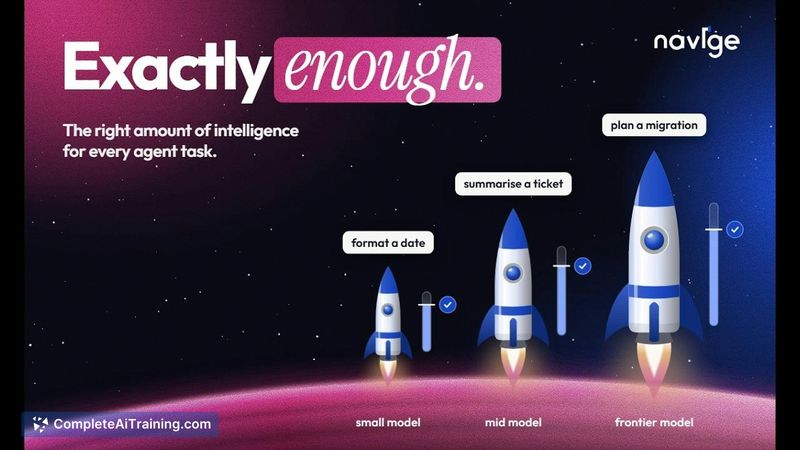
Navige addresses a specific problem: AI agent workloads often run entirely on expensive models even when individual tasks don't require that level of capability, and the resulting bill arrives as a single lump sum with no per-agent breakdown. The tool intercepts requests before they execute, downgrades suitable calls to cheaper models, and re-runs any failed tool calls on the original model so the agent only sees the corrected answer. It's a focused utility, not a platform play, and the team has been explicit about what's shipping now versus what's on the roadmap.
Key Features
- Sufficiency Intelligence routing: Evaluates each request and sends it to a smaller model when appropriate. The user's selected model acts as a ceiling - Navige only moves calls down, never up, and keeps the original model whenever it's unsure.
- Watchtower observation mode: Watches all traffic and shows what Navige would have changed, but applies no modifications until the user switches controls on. This tier is free with no time limit.
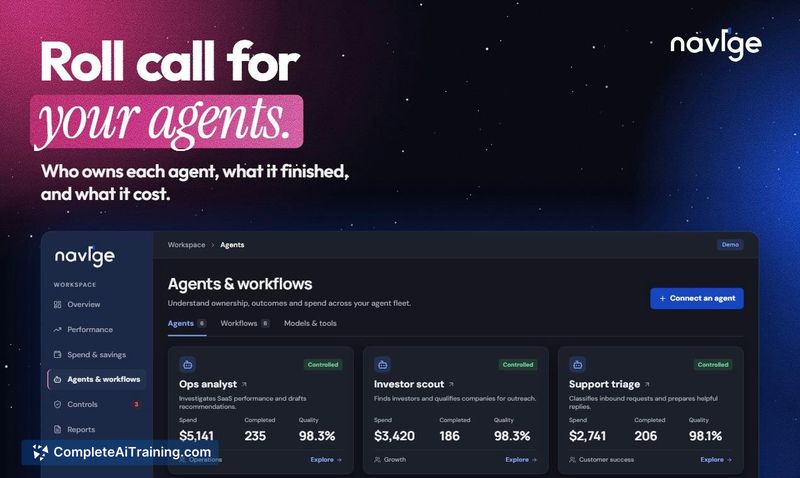
- Per-job cost tracking: Records what each job cost, what the controls changed, and what drove the difference. Measured savings and estimates are clearly separated in the reporting.
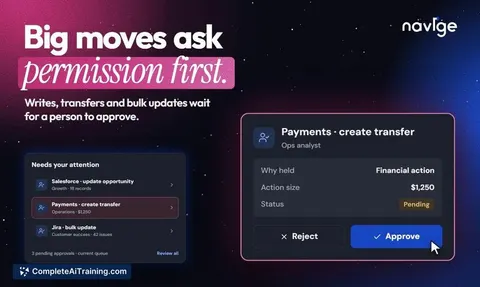
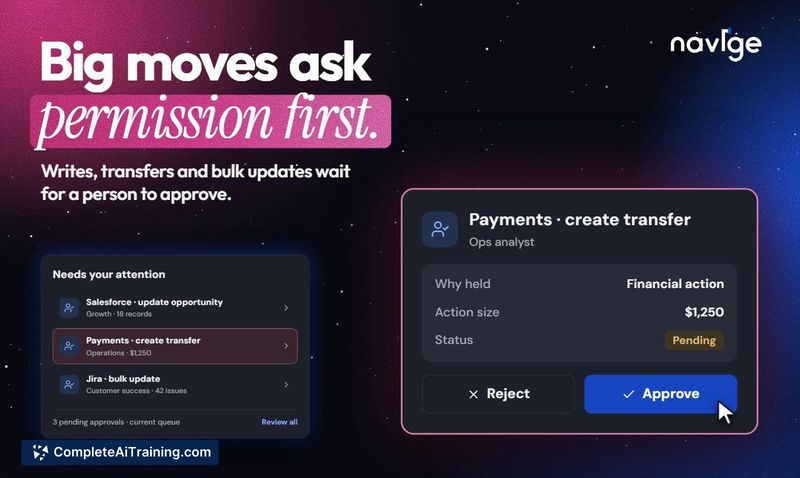
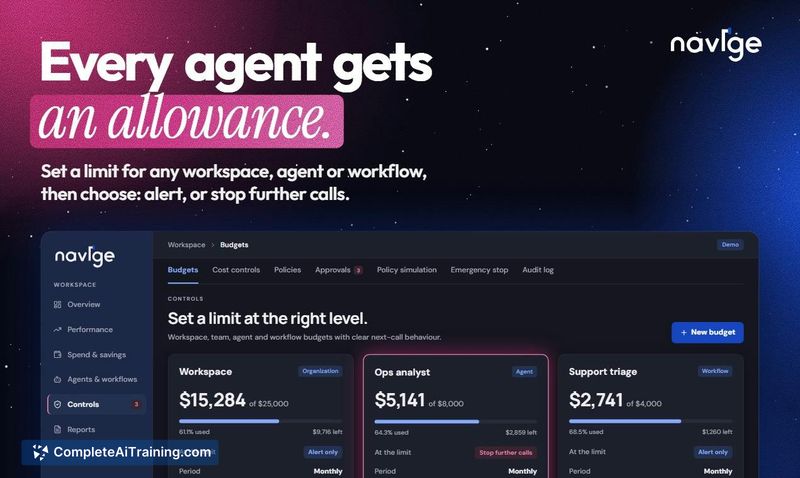
- Spending controls: Users can set budgets per team and per job, require approval for sensitive actions, trigger a kill switch, and maintain an audit trail. An approval hold system routes decisions to Slack when human input is needed.
- Duplicate call prevention: Caches repeated reads and trims bulky tool results. If an agent asks the same question twice, Navige can reuse the earlier answer instead of making a second paid call.
Pricing and Value
Watchtower is free forever with no time restrictions. On paid plans, Navige charges the greater of $9 per month or 20% of measured savings. In practice, this means if monthly measured savings are under $45, the user pays the $9 minimum. If Navige saves $200 in a month, the fee is $40 - the $9 minimum is included in that figure, not added on top. The team states they arrived at this model after testing several alternatives with prospects, including platform fees and fixed monthly pricing, before settling on a share-of-savings approach.
Pros
- Free Watchtower tier lets users observe cost patterns and estimated savings for as long as they want before committing to paid controls.
- Model downgrading is conservative by design - the system keeps the original model when uncertain and re-runs failures on it, so agents don't see degraded responses.
- Cost attribution breaks spending down by agent and job rather than presenting a single opaque bill.
- Duplicate call caching addresses a common source of waste without requiring code changes.
- Pricing aligns directly with demonstrated savings, which reduces the risk of paying for a tool that doesn't reduce net costs.
Cons
- Organizations with uniformly simple agent workloads that already run on appropriately sized models won't see material savings from the routing logic.
- The product is newly launched, so there's limited data on how the routing performs across a wide variety of agent architectures and failure modes over extended periods.
- Some optimizations for Claude Code are restricted because the team doesn't want to interfere with its functioning, which means users of that tool may not get the full scope of cost controls available to custom-built agents.
Navige fits teams running AI agents in production who can't currently answer what a single job costs them and suspect their workloads are over-provisioned on model size. It's less relevant for developers who have already tuned their model selection tightly or whose agent volumes are too low to exceed the $9 monthly minimum. The Watchtower approach - observe first, act later - makes it straightforward to test whether the savings estimates hold up against a real AWS Bedrock or Anthropic bill before making any changes.