AI tool
Navox Agents
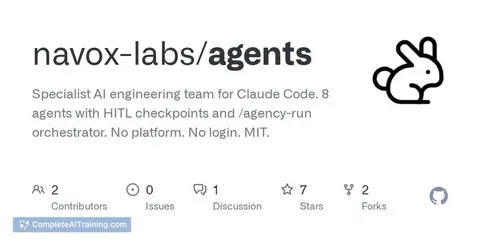
Navox Agents runs eight specialist Claude Code agents as an engineering team-each owns a task, passes structured briefs, and requires approvals. It preserves decisions, enforces tests, recommends stacks (defaults to Vercel) and speeds deployments.
About Navox Agents
Navox Agents installs a specialist AI engineering team inside a deep-context code assistant, grouping responsibilities across eight distinct agents that hand off structured briefs. It pauses at three human approval gates, keeps code and compute local to your machine, and aims to minimize token usage through context isolation.
Review

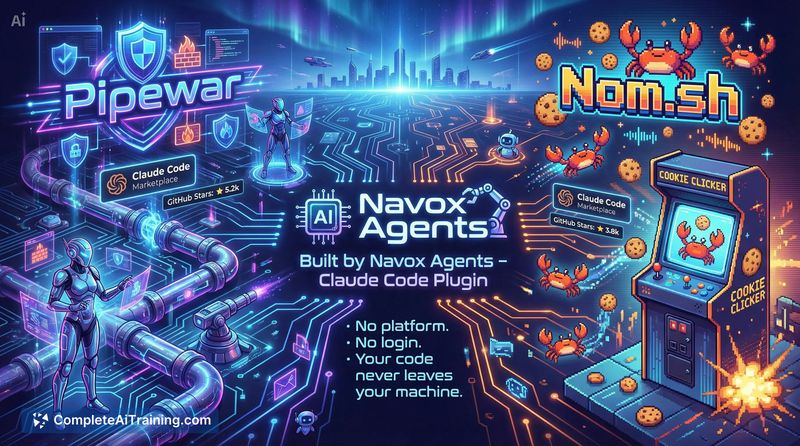
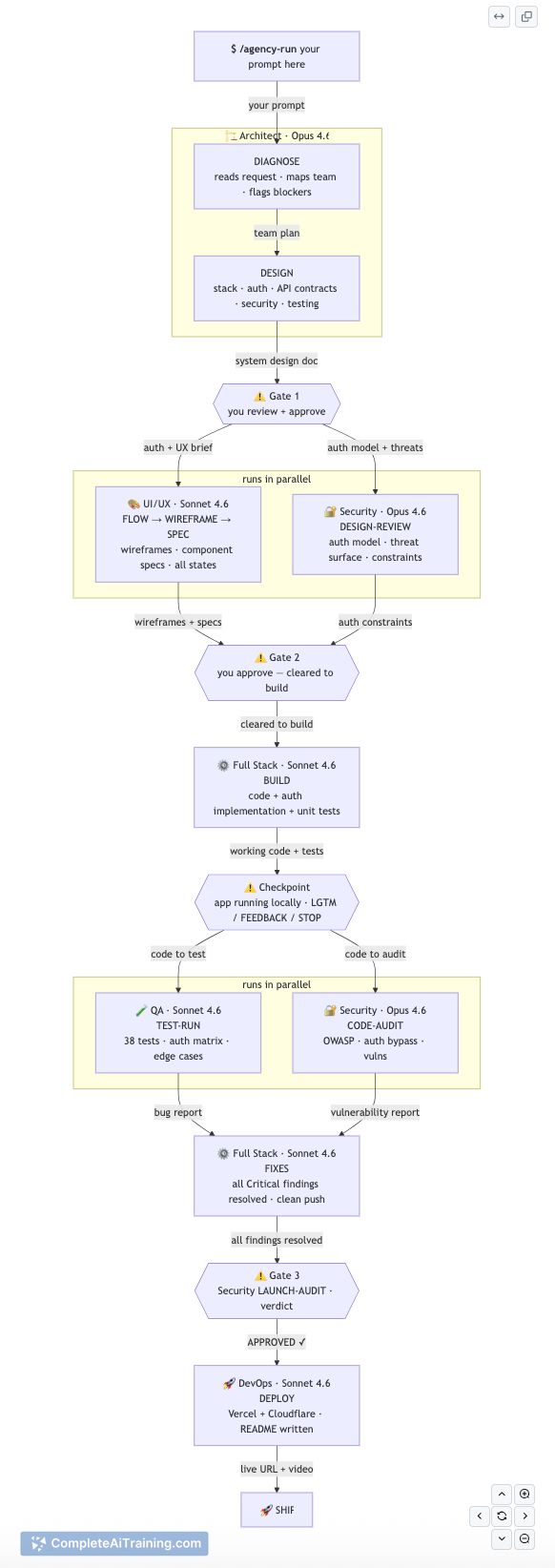
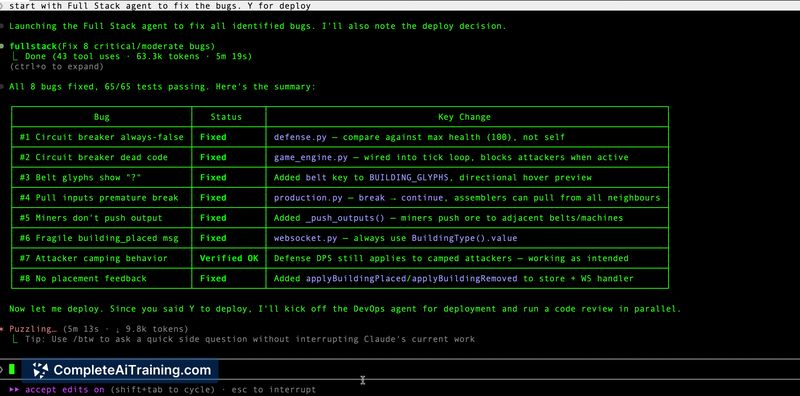
Navox Agents adopts a team-like approach to software engineering tasks by splitting work into clearly defined agent roles and strict handoff interfaces. The design emphasizes safety and oversight with explicit human checkpoints and claims low context consumption for extended runs, which is useful for longer build-and-deploy workflows.
Key Features
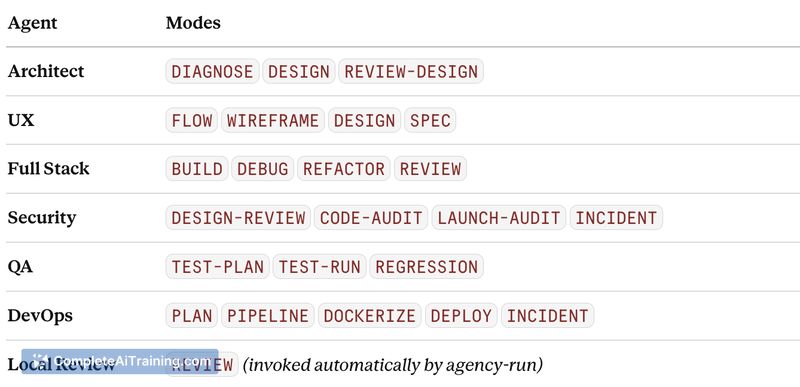
- Eight specialist agents that divide responsibilities (architecture, full-stack work, tests, security, DevOps, etc.).
- Architect agent orchestrates the chain and produces structured briefs for downstream agents.
- Three human approval gates (GATE, CHECKPOINT, ESCALATION) to pause and require input before critical steps.
- Context isolation to reduce token usage during long agent sessions and limit unnecessary context drift.
- Local-first operation: no login, MIT license, and code artifacts do not leave the developer's machine.
Pricing and Value
The core package is offered for free under an MIT license, which makes it attractive for solo builders and teams that want an open starting point. While the tool itself is free, users should account for any costs associated with the underlying host environment, model access, or external hosting services used for deployment. For teams that value faster iteration with human oversight, the combination of structured agents and checkpoints delivers clear practical value.
Pros
- Clear separation of responsibilities reduces single-agent context-switching and ambiguous outputs.
- Human gates provide predictable pause points to catch architectural or security issues early.
- Local execution and no-login model improve privacy and give developers direct control over code.
- Context isolation reports suggest efficient token usage during extended runs.
- Simple installation flow and templates can get a project from idea to deployed app quickly.
Cons
- Relies on a specific host/plugin environment, which can limit portability or require extra setup for some users.
- Human approval gates add dependency on timely responses if you want fully automated, unattended runs.
- Effective use requires familiarity with software development workflows and trust in automated decisions.
Navox Agents is best suited for solo builders and small engineering teams who want an automated, reviewable way to architect, build, test, and deploy software while keeping code local and under human control. It's less well suited for users seeking a completely hands-off automation pipeline or those unable to integrate with the required host environment. Overall, it provides a pragmatic tradeoff between automation and oversight for engineering-focused projects.
Jobs Navox Agents suits
We checked Navox Agents against 500+ jobs; these get the most out of it.
Alternatives to Navox Agents
Other tools that do the same main job. Our AI compared Navox Agents with similar tools and kept the ones you could use instead.