About: Open WebUI
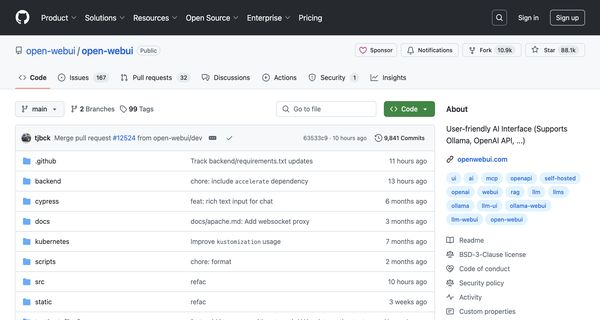
Open WebUI is an innovative self-hosted platform designed for managing AI language models entirely offline. It empowers users—individuals and organizations alike—to harness the power of AI while prioritizing data privacy and control. With its support for a diverse range of language models, Open WebUI allows users to select the most suitable options for their specific needs. Key features include advanced Retrieval-Augmented Generation (RAG), comprehensive user management, and extensive customization capabilities, enabling tailored AI interactions.
This tool is particularly beneficial for applications requiring strict data security, such as confidential research, sensitive customer interactions, or specialized content generation. What sets Open WebUI apart is its commitment to avoiding vendor lock-in, offering flexibility and cost-efficiency that traditional cloud-based solutions cannot match. Furthermore, the active development community surrounding Open WebUI ensures continuous improvements and updates, making it a valuable choice for those seeking a robust and private AI solution.

Review: Open WebUI
Introduction
Open WebUI is a self-hosted, offline AI platform designed to support various language models, offering features such as Retrieval Augmented Generation (RAG), user management, and customization. This tool is tailored for individuals and organizations that prioritize data privacy, seek control over their AI interactions, and aim to avoid vendor lock-in. The relevance of Open WebUI lies in its ability to provide a robust, flexible alternative for those looking to leverage AI capabilities while maintaining data security and customization options. It is being reviewed to highlight its functionalities and assess its suitability for potential users.
Key Features
- Effortless Setup: Install Open WebUI seamlessly using Docker or Kubernetes, supporting both Ollama and CUDA tagged images for a hassle-free experience.
- API Integration: Integrate OpenAI-compatible APIs effortlessly, allowing for versatile conversations alongside Ollama models.
- Granular Permissions: Administrators can create detailed user roles and permissions, enhancing security and fostering customized user experiences.
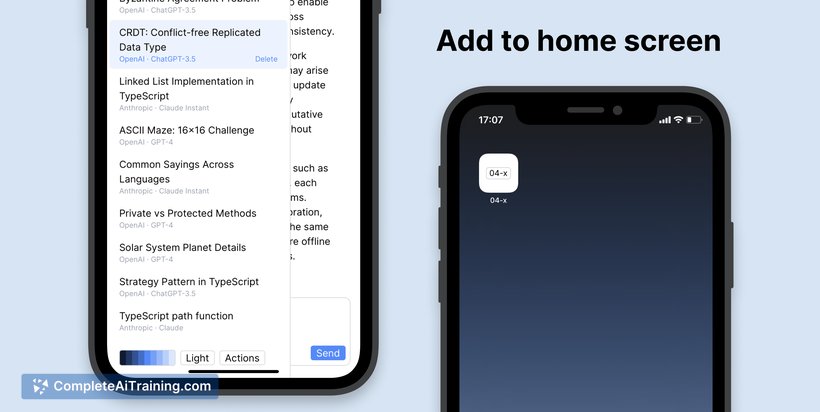
- Responsive Design: Offers a seamless experience across desktop, laptop, and mobile devices, with a Progressive Web App (PWA) for mobile.
- Advanced Communication: Features integrated voice and video call capabilities for dynamic and interactive chat environments.
- Model Builder: Create and manage Ollama models via the Web UI, with options for custom characters and chat elements.
- Local RAG Integration: Incorporate document interactions into chat experiences with groundbreaking RAG support.
- Web Search and Browsing: Perform web searches and integrate web content directly into chat experiences, enhancing interaction richness.
- Image Generation: Integrate image generation capabilities using various APIs, enriching chat with visual content.
- Role-Based Access Control: Secure access with restricted permissions, ensuring only authorized individuals can access specific features.
- Multilingual Support: Offers internationalization (i18n) support, allowing users to experience the platform in their preferred language.
- Plugin Support: Integrate custom logic and Python libraries with the Pipelines Plugin Framework for extended functionality.
- Continuous Updates: Regular updates and new features keep Open WebUI at the forefront of AI platform innovation.
Pros and Cons
Pros
- Data Privacy: Operates entirely offline, ensuring user data remains private and secure.
- Flexibility: Supports a wide range of models and APIs, offering users extensive customization options.
- Community Driven: Beneficial active community development, contributing to continuous improvement.
- Cost-Efficiency: Avoids vendor lock-in, allowing users to manage costs effectively.
Cons
- Complex Setup: Initial setup may be complex for users unfamiliar with Docker or Kubernetes.
- Resource Intensive: Running multiple models simultaneously may require significant computational resources.
- Technical Expertise Required: Users may need technical expertise to fully leverage advanced features and integrations.
Final Verdict
Open WebUI is an excellent choice for individuals and organizations that prioritize data privacy and seek a customizable, flexible AI platform. It is particularly beneficial for those with technical expertise who can navigate its setup and leverage its advanced features. However, users who prefer a simpler, more straightforward setup experience may find it challenging. Overall, Open WebUI stands out as a robust, self-hosted solution for those looking to maintain control over their AI interactions while avoiding vendor lock-in.
Open 'Open WebUI' Website
Your membership also unlocks: