AI tool
OpenLLM
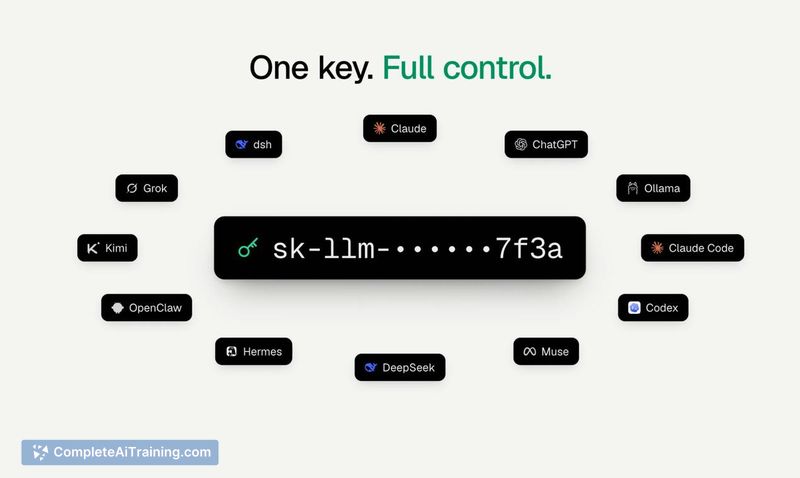
OpenLLM lets developers use their existing AI subscriptions, API keys, and local models through a single key in coding agents and AI apps. It provides fallback across models when limits are reached and shared memory across connected tools.
About OpenLLM
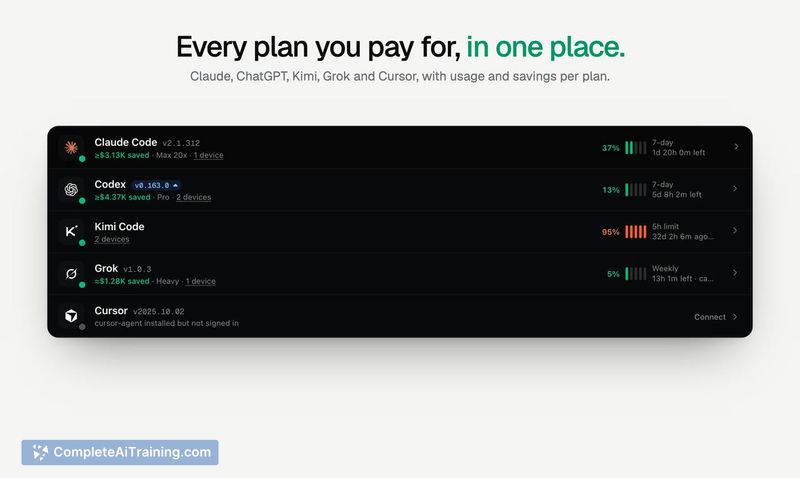
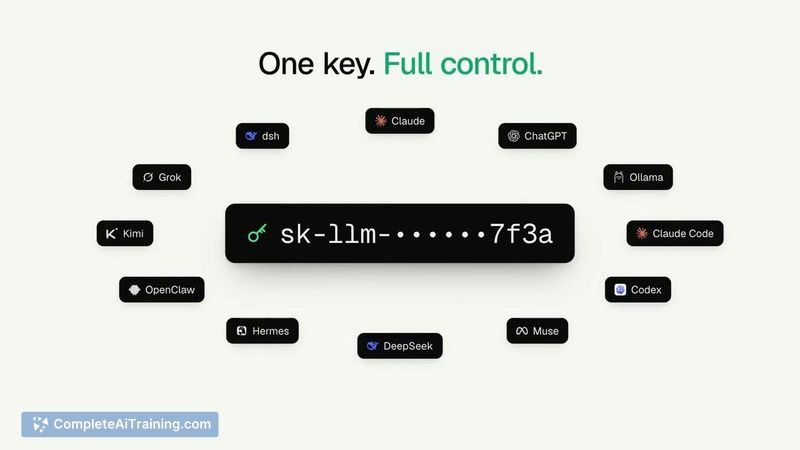
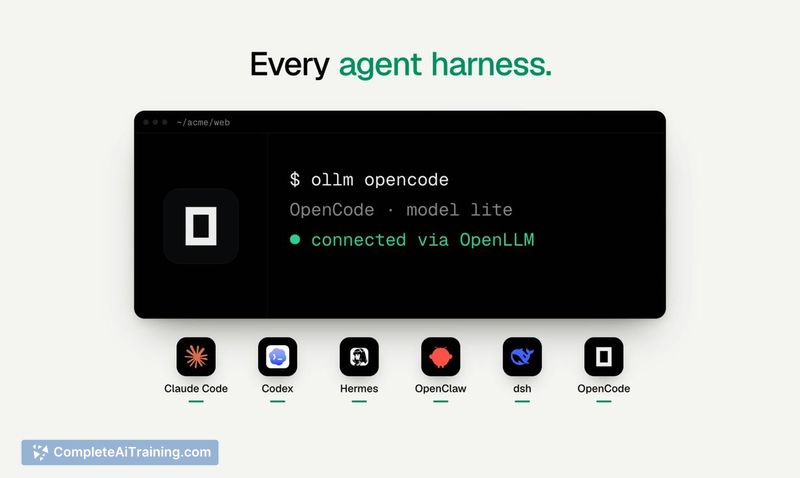
OpenLLM is a unified API layer that lets users route AI tokens from multiple subscriptions, API keys, and local models through a single endpoint. The tool works with coding agents like Claude Code, Codex, and Cursor, and can also run inside the ChatGPT desktop app on macOS. It includes remote session access, model fallback chains, and a shared memory system that persists across connected applications.
Review
OpenLLM addresses a specific friction point for developers who pay for several AI services: each model lives in its own silo. Rather than replacing those subscriptions, the tool acts as a routing layer that sits between your apps and your various model sources. The setup means you configure your connections once, get one API key, and point your coding tools at that single endpoint.
Key Features
- Unified API key. A single key works in any application that accepts an OpenAI or Anthropic key format, directing requests to your connected subscriptions, API keys, or local models.
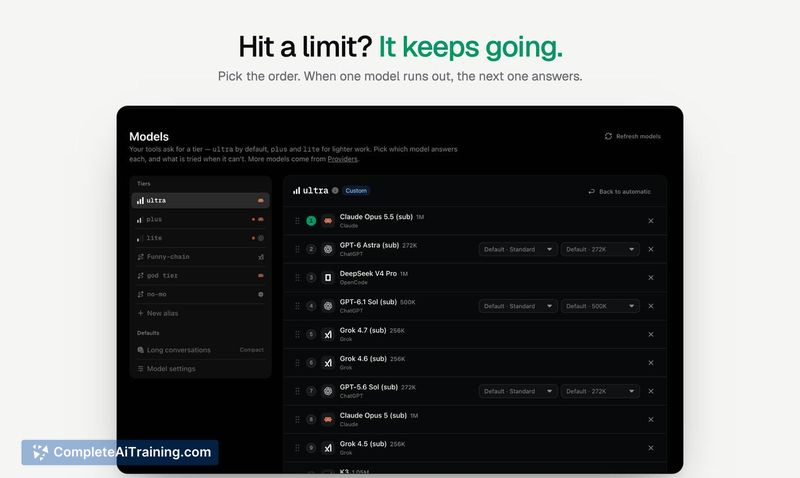
- Fallback chains. Users can order their models in a sequence. When one model hits a rate limit or usage cap, the next model in the chain picks up the request automatically.
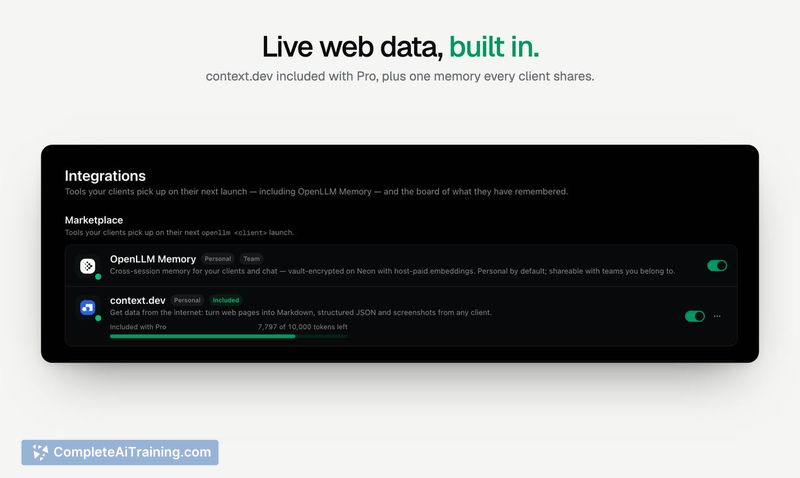
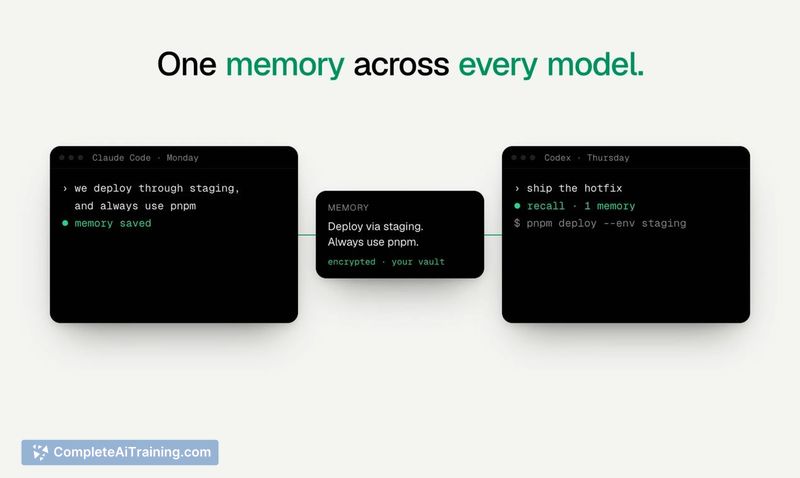
- Shared memory across apps. A decision or preference saved in one connected application becomes available to all other apps using the same OpenLLM key. This feature is included on every plan.
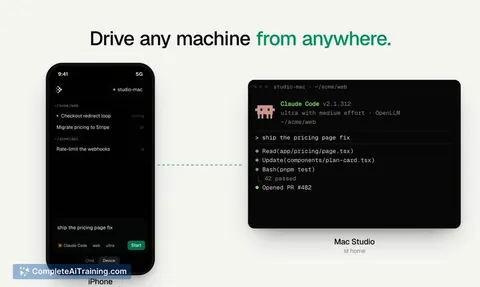
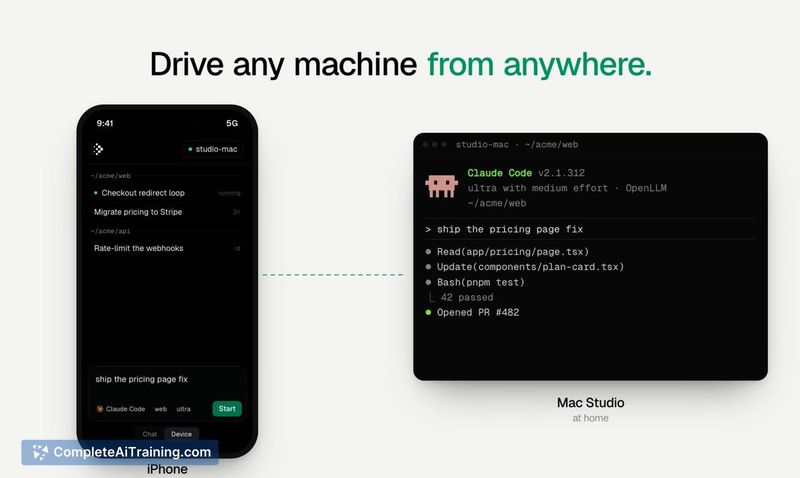
- Remote sessions. Start a coding session on a home machine from a laptop, web app, or Mac app. If the target machine is online, the session opens directly.
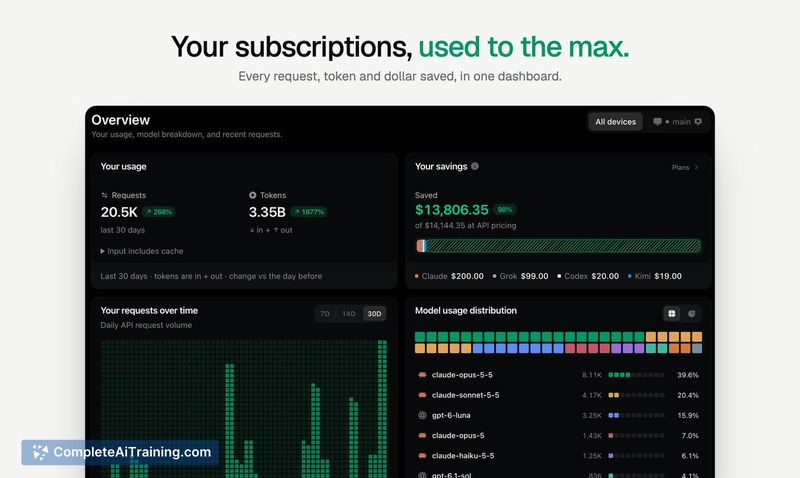
- Observability. Users can see which model answered a given request and how many tokens were consumed. This helps track when fallback switches occur mid-session.
Pricing and Value
OpenLLM has a free tier that includes access to DeepSeek and Qwen inference, so a first request works without connecting any external accounts. The Pro plan costs $30 per month, covers up to 5 devices, and includes a 3-day trial. A launch promotion (code PHUNT) offers 50% off Pro for six months for the first 100 users. A Teams plan is listed on the roadmap with per-person token limits, usage visibility, and shared memory across team members, though pricing for Teams has not yet been defined.
Pros
- Consolidates multiple AI subscriptions behind one API endpoint, reducing the need to manage separate keys in each coding tool.
- Fallback chains keep sessions running when a primary model hits its limit, switching to the next configured model.
- Shared memory persists preferences across different applications, not just within a single tool.
- Remote session capability lets users tap into a home machine's local models from another device.
- Token usage and model attribution are visible, so users can audit which model handled each request.
Cons
- OpenLLM does not bypass vendor rate limits or subscription caps - your existing account restrictions still apply, and the tool is explicitly not for account sharing.
- The fallback behavior mid-task depends on chain ordering; a local model receiving a handoff gets the conversation context, but the continuity of complex coding state may vary across model switches.
- It is not well suited for users who rely on a single AI subscription and don't need routing, fallback, or cross-app memory - the added layer introduces configuration overhead without a clear benefit for that workflow.
OpenLLM fits developers who maintain multiple AI subscriptions, run local models, and switch between several coding agents throughout their work. It also serves those who want to access a home machine's local models while working remotely. Teams waiting for centralized token management and shared memory controls may find more value once the Teams tier ships, but for individual users with fragmented AI access, the current feature set addresses a practical routing problem.