AI tool
Pheebs
Pheebs records how engineering teams use AI coding tools and analyzes session patterns. It gives engineers a private view of their own work and provides team reports on AI proficiency, model selection, and output judgment.
About Pheebs
Pheebs is an open-source AI telemetry tool created by Eversynced. It sits inside Claude Code, Cursor, and Codex via hooks, capturing lightweight interaction signals about the shape of a coding session without recording its contents. The tool gives engineers a private view of their own work while generating separate team-level reports for engineering leaders.
Review
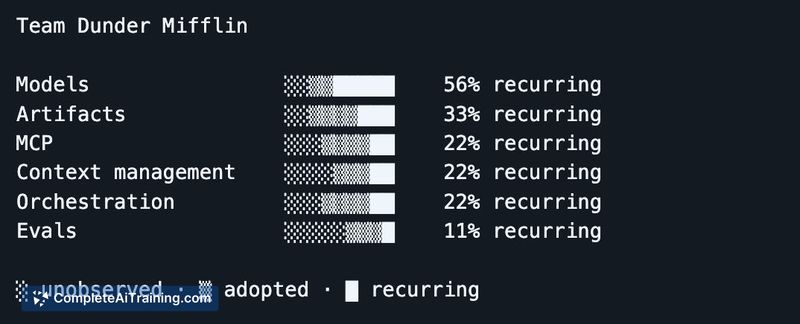
Pheebs entered public launch this week, targeting a specific gap: engineering leaders often know who has AI tool access and how many tokens they consume, but not how those tools are actually used during development. The tool records session patterns and maps them against a proposed AI Proficiency Model that examines both repertoire and judgement. It's free and open source, with the code available on GitHub.
Key Features
- Session shape capture via hooks in Claude Code, Cursor, and Codex - records interaction patterns without collecting code contents.
- Private engineer dashboard separate from team reports, so individual contributors can review their own AI usage without sharing everything upward.
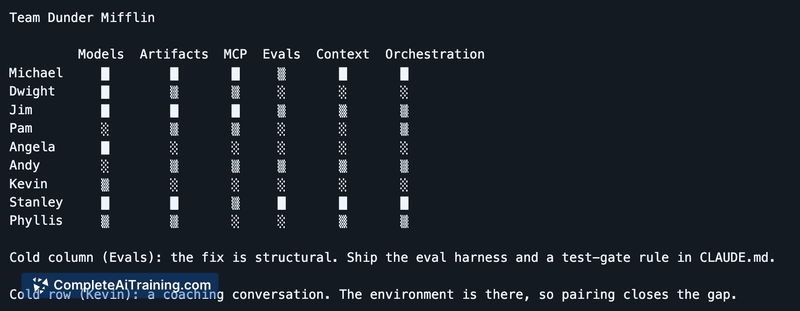
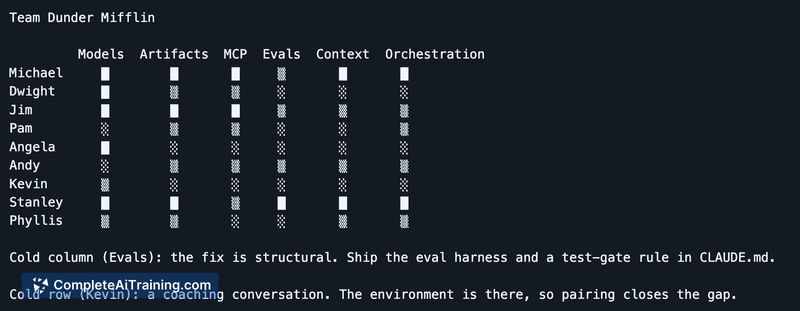
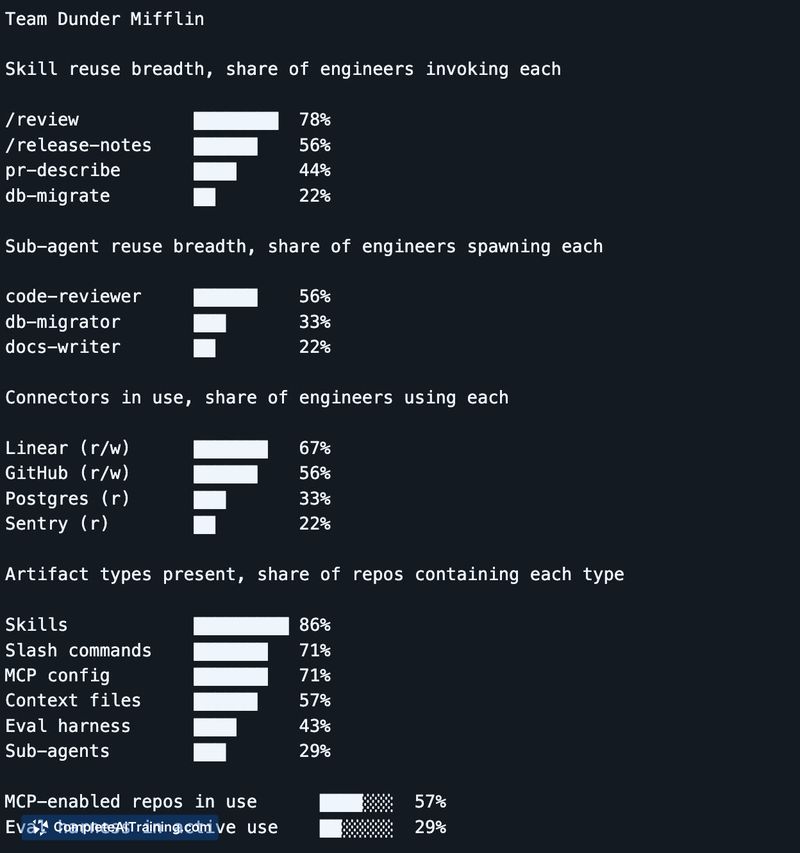
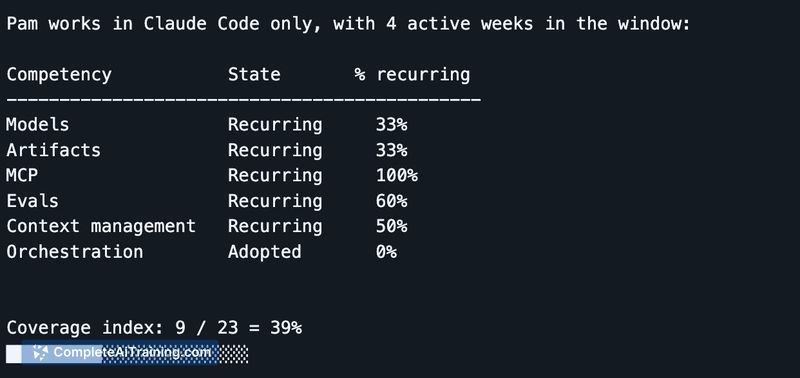
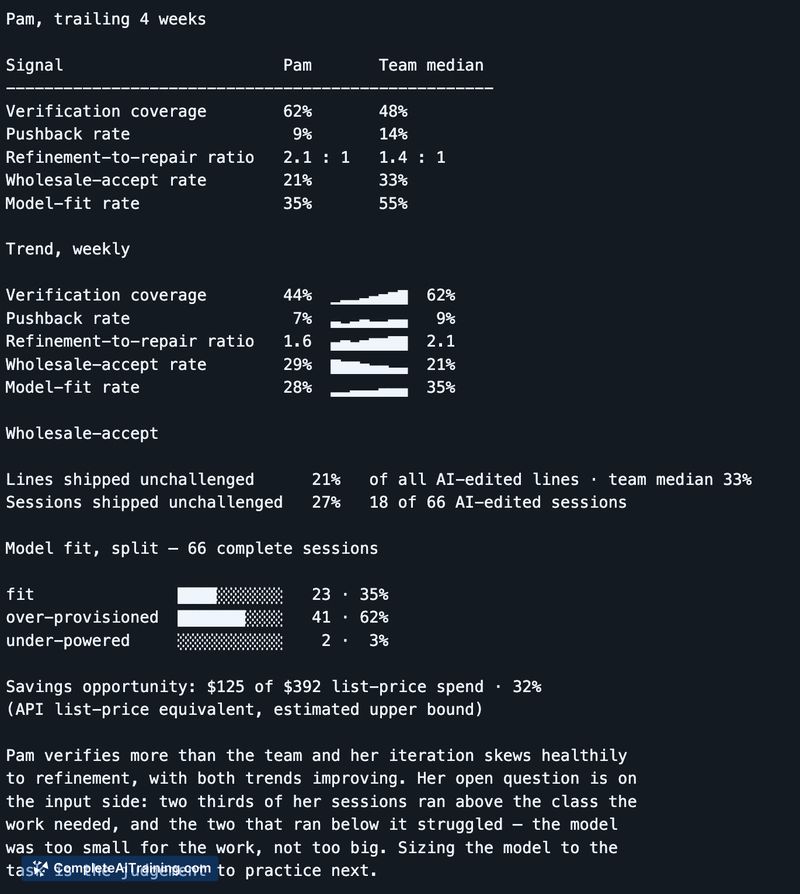
- AI Proficiency Model that evaluates two dimensions: Repertoire (which harness capabilities appear across six competencies - models, artifacts, MCP, evals, context management, and orchestration) and Judgement (whether AI output gets verified, challenged, or refined before a PR is merged).
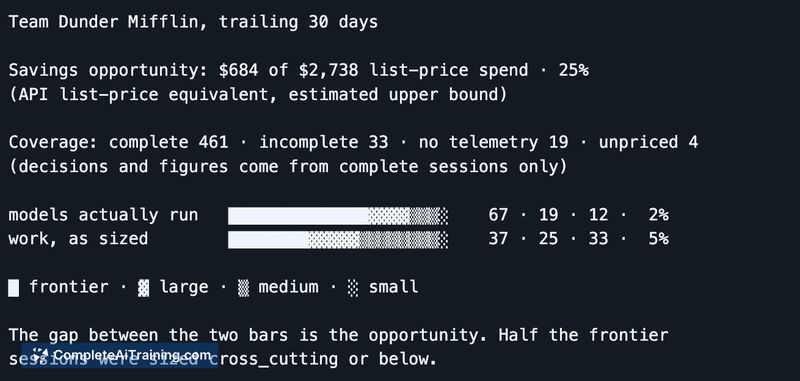
- Cost-consciousness insights that flag when teams default to the largest model for every task and show potential savings from switching to smaller models where appropriate.
- Team median baselines for comparing individual activity against the broader group, with industry benchmarks listed as a future roadmap item.
Pricing and Value
Pheebs is free and distributed under an open-source license. There is no paid tier at launch. The maker has mentioned an AI Enablement Assessment service powered by Pheebs that provides recommended steps, and noted that a managed offering may be created based on company feedback. No pricing for that potential future service has been defined.
Pros
- Installs as hooks rather than a separate application, so it doesn't require engineers to change their editor workflow.
- Separates individual and team views, which addresses the discomfort some engineers feel about exposing their AI skill level.
- Goes beyond adoption metrics like DAU/WAU and token counts to surface behavioral patterns - test runs before commits, output acceptance rates, model selection habits.
- Open-source codebase allows teams to inspect the data collection logic and self-host if needed.
- Surfaces specific, actionable gaps - a team low on artifacts usage might set up a skills repo, while low evals scores could prompt investment in a verification harness.
Cons
- No ability for companies or managers to set custom baselines - the tool currently only shows team medians, which limits structured goal-setting.
- Does not create restrictions or enforce policies; it identifies patterns but leaves corrective action entirely to the team.
- Pheebs is not well suited for organizations that want a managed SaaS with guaranteed uptime and support, since it's a newly launched open-source project with a managed offering only under consideration.
Pheebs fits engineering teams that already use Claude Code, Cursor, or Codex and want visibility into how AI assistants shape their development practice - not just whether they're turned on. The open-source model and local hook architecture will appeal to teams with privacy requirements or a preference for self-hosted tooling. It's a young project, so teams evaluating it should expect to contribute feedback and possibly wait for features like industry benchmarks that are still on the roadmap.