AI tool
Phrony
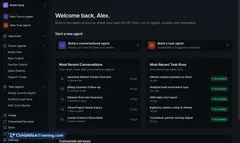
Phrony runs production AI agents with full audit trails, human-in-the-loop escalation, anomaly detection, RBAC, secrets vault and multi-agent orchestration for clear visibility and reliable operations.
About Phrony
Phrony is a platform for running and governing AI agents in production. It provides an integrated runtime that covers multi-agent orchestration, human-in-the-loop escalation, full audit trails, anomaly detection, and core security features such as RBAC and a secrets vault.
Review
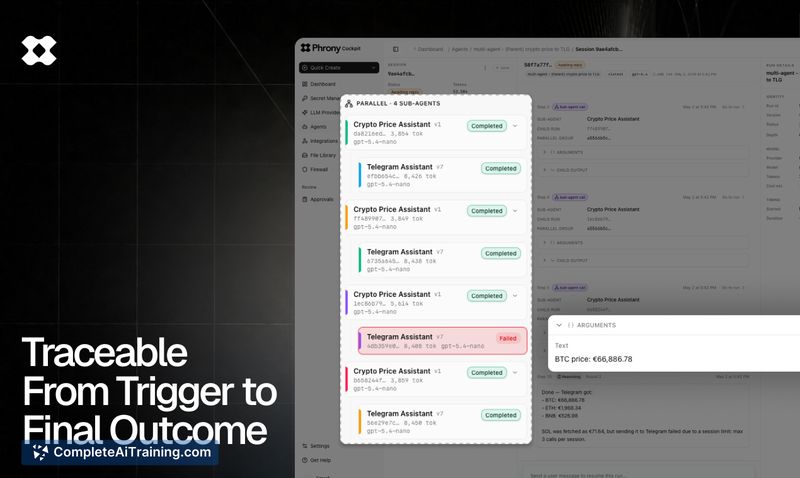
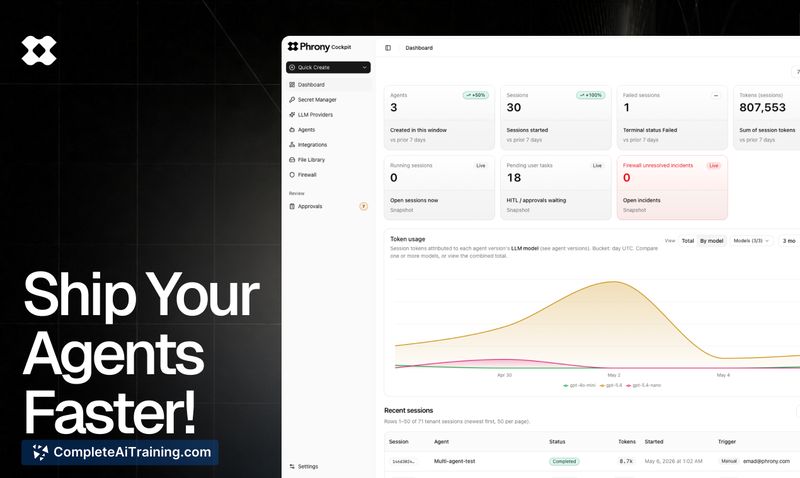
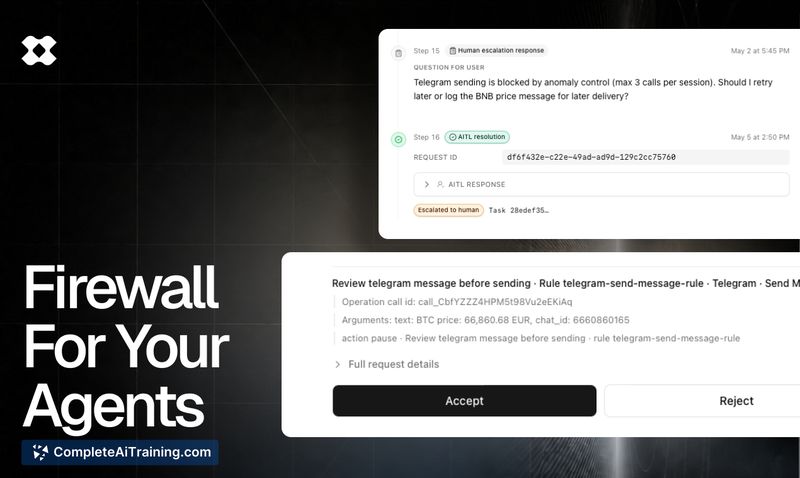
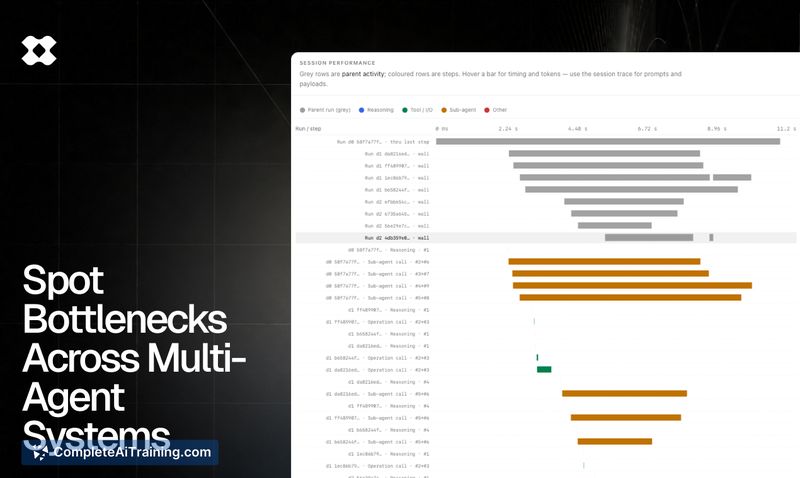
This review looks at how Phrony approaches agent operations and governance based on its initial launch details. I summarize the main capabilities, pricing signals, practical strengths, and potential drawbacks for teams considering it for production deployments.
Key Features
- Multi-agent orchestration via a dedicated runtime with agents defined by manifests for consistent execution.
- Human-in-the-loop (HITL) escalation with configurable triggers and four levels of scope (organization, agent, tool/integration, and step checkpoints).
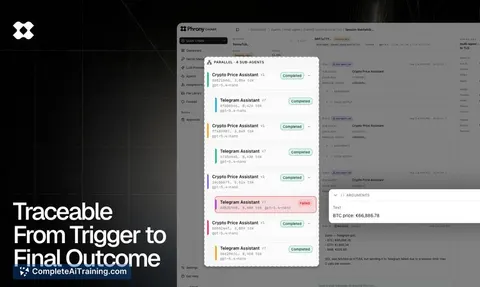
- Full audit trails and preserved run state to help diagnose failures and review past executions.
- Anomaly detection that can surface issues or terminate runs when behavior deviates from expectations.
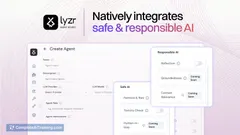
- Security and governance features including RBAC, a secrets vault, and policy-driven controls.
Pricing and Value
Phrony launched with free options available and appears aimed at teams that need production-grade agent governance; detailed paid tiers and enterprise plans are likely offered on the product site. The value proposition is to reduce the operational overhead of assembling governance, escalation, and observability pieces separately by providing them as part of a single runtime.
Pros
- Focus on production concerns such as auditability, escalation, and anomaly handling rather than just prototyping.
- Granular escalation controls let teams balance automation with operator trust and interruption frequency.
- Built-in security features (RBAC, secrets vault) help meet compliance and access-control needs.
- Manifest-driven agents and a single runtime improve end-to-end observability for runs.
- Free entry options make it easy to try during early evaluation.
Cons
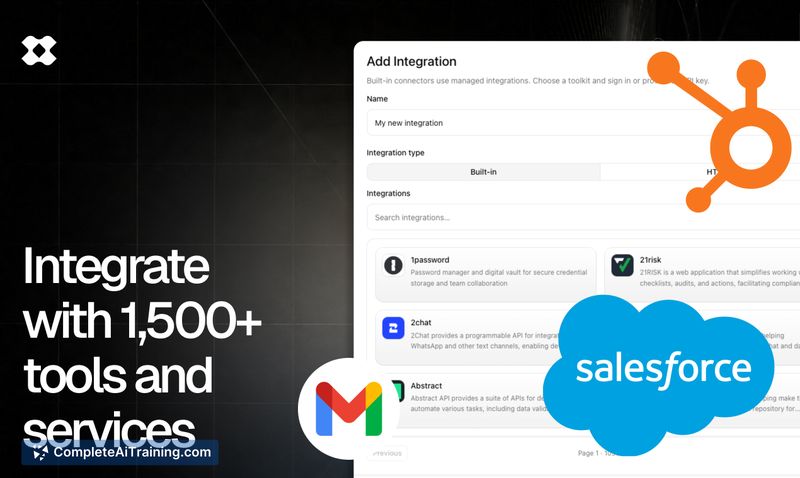
- Very new at launch, so ecosystem integrations and third-party tooling may be limited initially.
- Agents must run in the platform's runtime and follow its manifest format, which can reduce portability for teams with existing runtimes.
- Configuring escalation policies and finding the right balance between approvals and automation can have a learning curve.
Overall, Phrony is best suited for engineering and product teams that are running AI agents in production and need stronger governance, auditability, and safety controls. It may be less attractive for hobbyists or teams that require agents to continue running in other established runtimes without conversion. For organizations prioritizing operational visibility and security for agent workflows, Phrony is worth evaluating.
Jobs Phrony suits
We checked Phrony against 500+ jobs; these get the most out of it.
Alternatives to Phrony
Other tools that do the same main job. Our AI compared Phrony with similar tools and kept the ones you could use instead.