AI tool
Pomerado
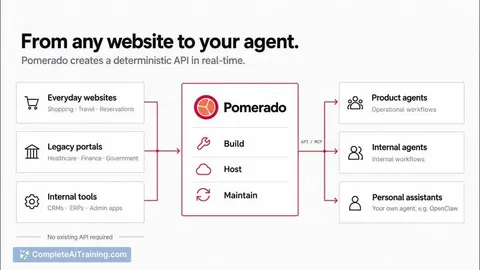
Pomerado builds and hosts custom APIs for websites so AI agents can complete tasks like booking, shopping, or searching. It is for developers and users who want their agents to interact with sites that lack agent-friendly setups.
About Pomerado
Pomerado is a browser automation platform that turns websites into MCP (Model Context Protocol) endpoints and APIs. It builds, hosts, authenticates, and maintains integrations for sites that lack native APIs - including Google Flights, Zillow, Instacart, and legacy portals. An open-source component is available on GitHub for users who want to inspect the technology or create local APIs.
Review
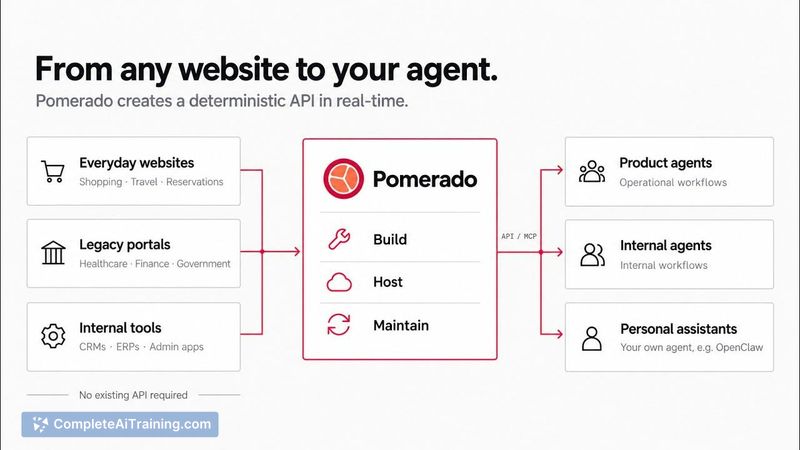
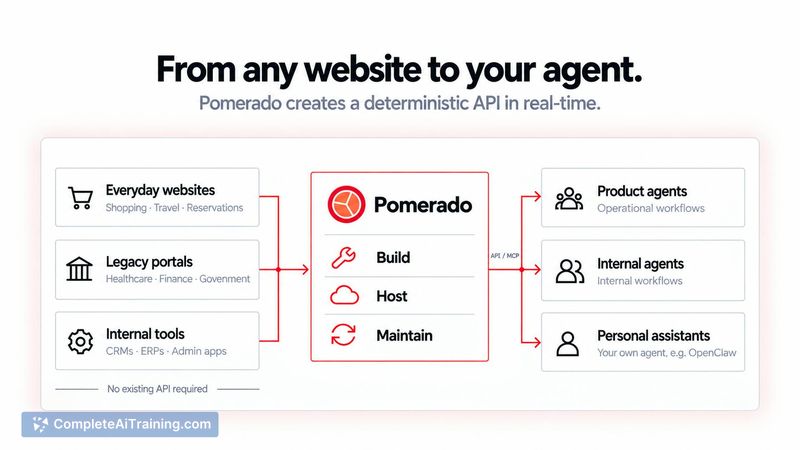
Pomerado targets a specific bottleneck in agent workflows: the majority of websites aren't built with machine-readable interfaces. Instead of waiting for computer-use capabilities to mature, the platform generates bespoke APIs from sites that a person can navigate normally. The output is a hosted integration that an agent can call directly.
Key Features
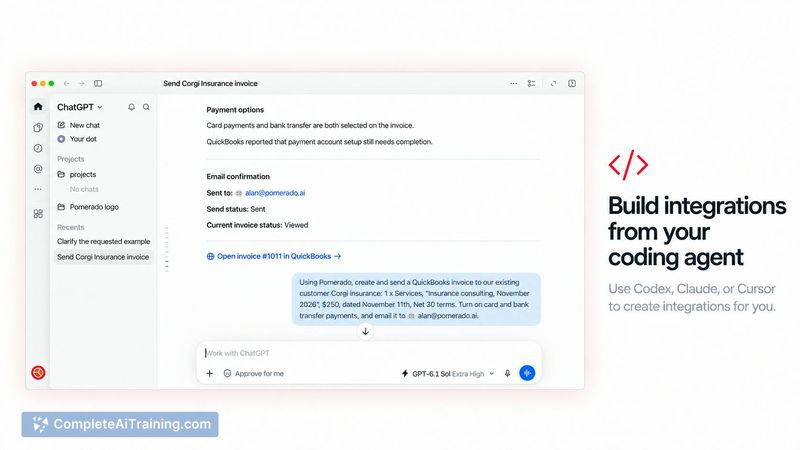
- Dashboard and MCP interface for describing tasks in natural language - booking appointments, searching for apartments, shopping - and receiving a working API in return
- Self-healing integrations that detect site changes and repair broken tools to reduce downtime for dependent agents
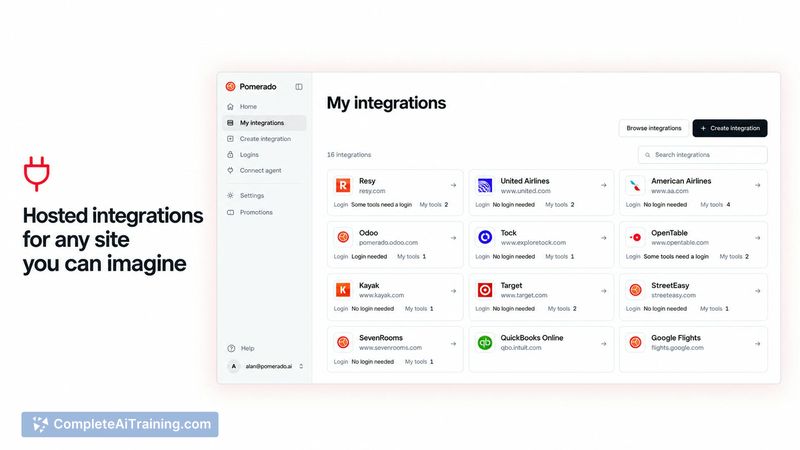
- Pre-built API library covering common sites such as Google Flights, OpenTable, and Delta, so users can start without building from scratch
- Open-source repository that exposes how the platform operates and lets developers run local API builds
- Proxy and browser infrastructure designed to handle 2FA flows and avoid hard CAPTCHA triggers during routine sessions
Pricing and Value
The makers reference a free tier on the Pomerado website, though specific usage limits, paid plan thresholds, and per-call pricing are not yet defined in the available material. Users can begin without an upfront commitment and evaluate the platform's output quality before encountering any paywall.
Pros
- Generates APIs from sites that lack official programmatic access, including legacy portals that would otherwise require manual integration work
- Handles hosting, authentication, and ongoing maintenance, which removes the operational burden of running scrapers or browser automation in-house
- Self-healing mechanism reacts to site layout changes and repairs integrations without manual intervention
- Open-source codebase allows technical teams to audit the approach and adapt it for local or custom deployments
- Pre-made integrations for widely used services cut down the time needed to get an agent running on common tasks
Cons
- Reliance on the platform's hosted infrastructure means an outage or proxy failure could block agent workflows that depend on Pomerado-built APIs
- Hard CAPTCHA challenges that appear mid-session may still interrupt automation, and the resolution path for those cases isn't fully detailed
- Teams that already maintain their own browser automation stacks with fine-tuned selectors and custom auth flows may find the abstraction layer unnecessary
Pomerado fits teams and solo developers who need to give AI agents reliable access to websites that don't expose APIs. It's less suited for organizations that have already invested heavily in custom browser automation and prefer to keep control over every layer of the stack. The self-healing and hosting components address real maintenance headaches, though anyone evaluating the platform should test how it handles CAPTCHA-heavy sites in their specific use case.