AI tool
Radar
Radar is an open-source, local-first Kubernetes UI that consolidates cluster workflows: ownership-aware topology, live watches, Helm + GitOps, traffic flows, cost insights and audits-no signup required.
About Radar
Radar is an open-source Kubernetes UI that brings cluster workflows into a single, local-first interface. It combines real-time topology, Helm and GitOps controls, live traffic flows, security and best-practice checks, an image filesystem viewer, and an MCP server for AI agents.
Review
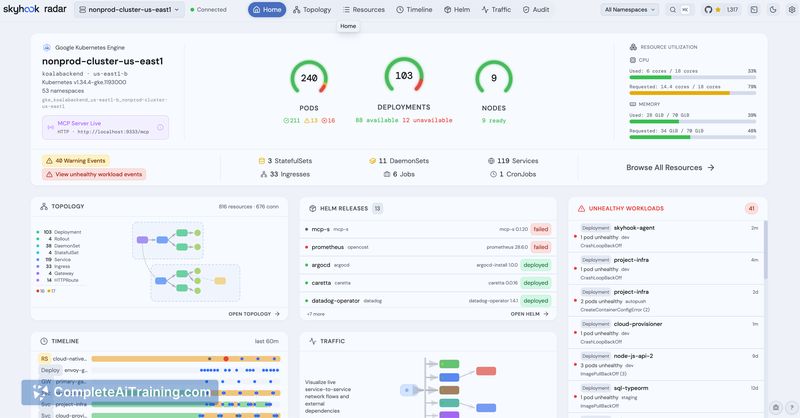
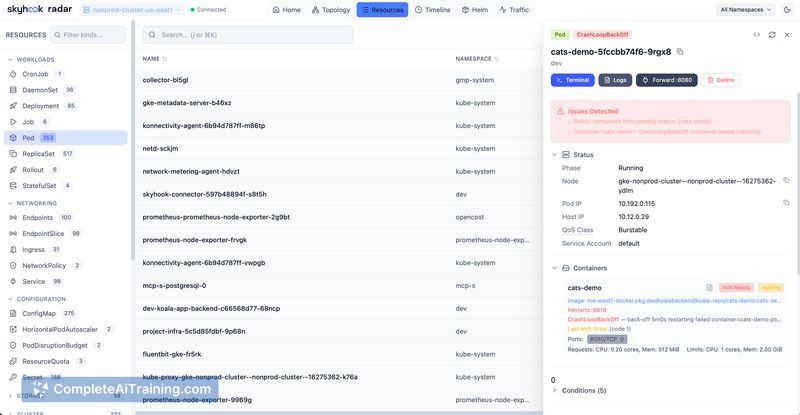
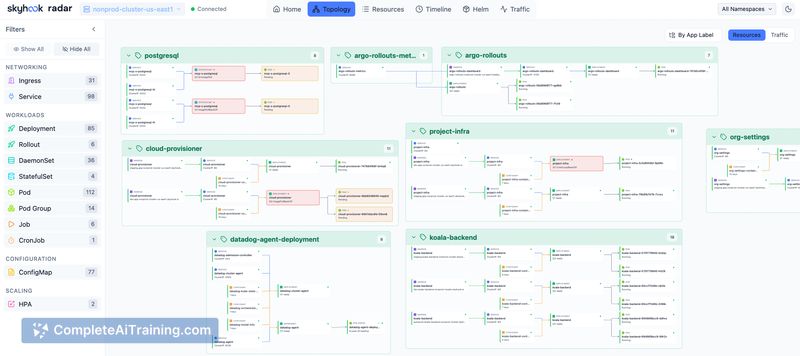
Radar aims to consolidate the many tools teams use for day-to-day Kubernetes work into one fast, account-free interface. The project emphasizes privacy and control (Apache 2.0, single binary, no usage tracking) while offering integrations with many popular K8s tools and cloud-native components.
Key Features
- Topology view with explicit ownership chains for resources, reducing visual "spaghetti".
- Live event stream via Kubernetes watches (not polling) for up-to-date cluster activity.
- Helm release management with diff and rollback plus native Argo CD / Flux sync.
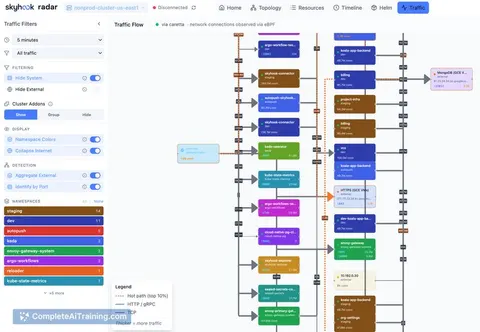
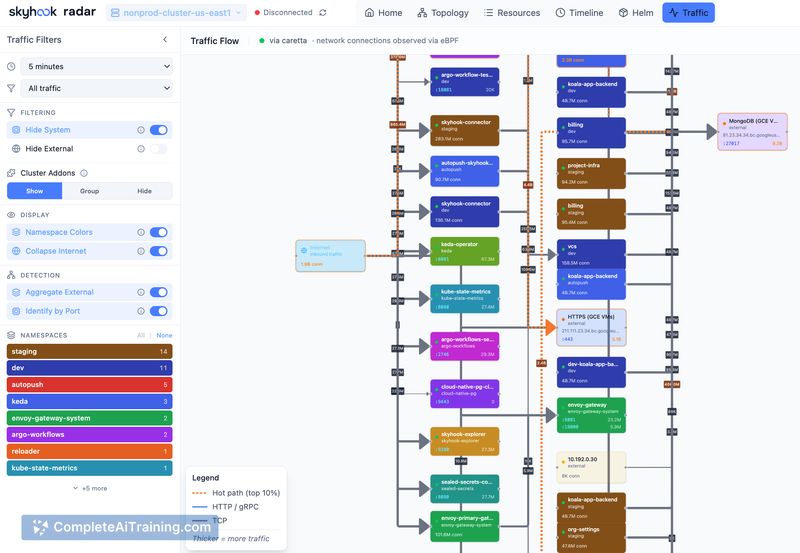
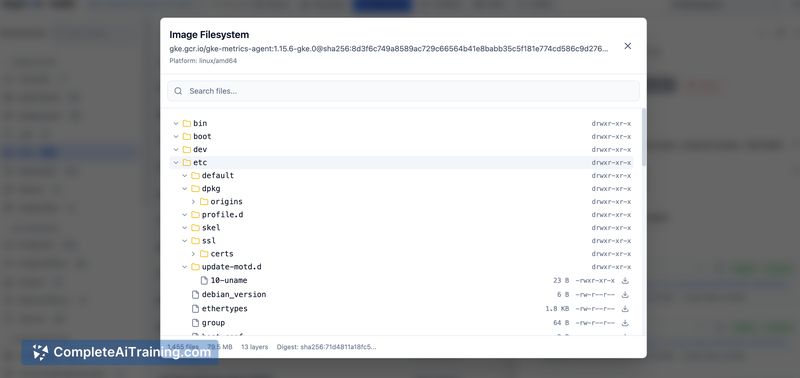
- Live traffic visualization using Hubble/Cilium, Caretta, or Istio and an image filesystem viewer to inspect container files without exec or pull.
- Cluster audit (31 checks across security, reliability, efficiency) and a built-in MCP server for agent workflows with carefully limited write capabilities and RBAC integration.
Pricing and Value
The core product is free and open-source under the Apache 2.0 license. You can run Radar locally as a single Go binary or self-host it in-cluster with RBAC and OIDC; no account, agents, or cloud dependency are required. The team is exploring a hosted tier aimed at multi-cluster organizations (cross-cluster fleet views, long-term retention, SAML/SCIM), which would likely be a paid option while keeping the OSS edition fully usable.
Pros
- Open-source Apache 2.0 license with no required account or usage tracking.
- Local-first single-binary option makes onboarding and iterative use straightforward for engineers.
- Wide set of built-in capabilities (topology, Helm/GitOps, traffic flows, audits, image inspection) reduces the need to jump between tools.
- MCP integration for agent-assisted workflows that respects RBAC and uses a conservative, non-destructive write surface.
- First-class integrations with many common K8s projects, streamlining operational workflows.
Cons
- New release with a growing community; some edge cases and integrations may still need polish compared with long-established tools.
- Advanced hosted features required by large fleets may move behind paid plans, so some organizations will need to evaluate trade-offs between OSS and hosted offerings.
- Custom audit checks and some extensibility items are not yet available out of the box and may require additional development.
Radar is a strong fit for platform engineers, SREs, and development teams who want a self-hosted, privacy-conscious Kubernetes UI that combines observability, GitOps, Helm management, and safer AI-agent access. It's especially useful for teams that prefer local-first tooling or want to avoid handing cluster visibility to SaaS providers while still getting a modern graphical interface.
Jobs Radar suits
We checked Radar against 500+ jobs; these get the most out of it.
Alternatives to Radar
Other tools that do the same main job. Our AI compared Radar with similar tools and kept the ones you could use instead.