AI tool
SlashDocs by Razorpay
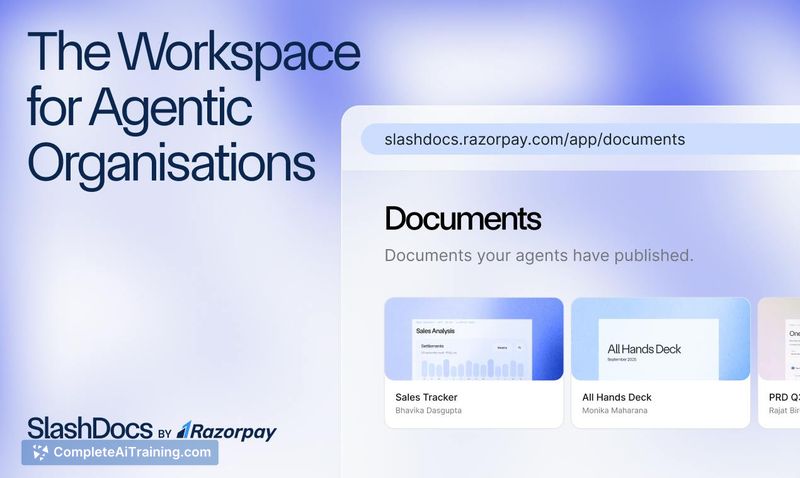
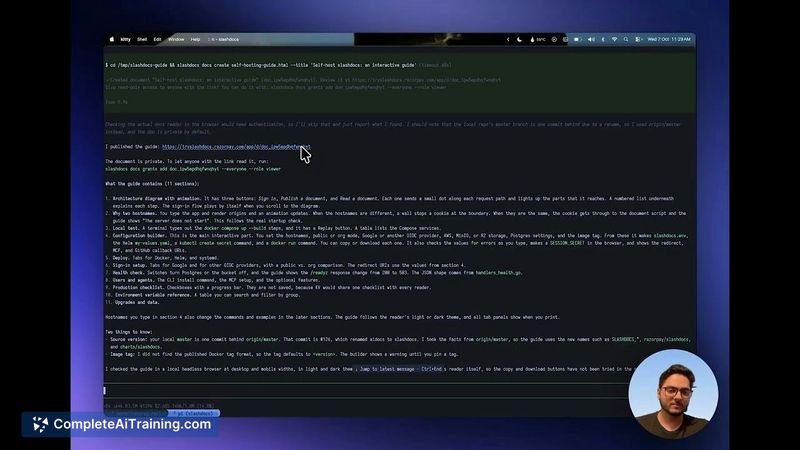
SlashDocs is a self-hosted, open-source collaboration hub where AI agents create interactive HTML documents. Teams comment directly on the live output, and agents update the same file in place using that feedback. It is built for technical teams t...
About SlashDocs by Razorpay
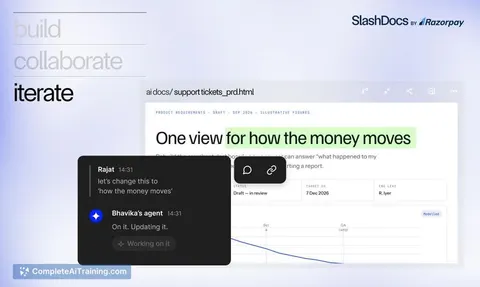
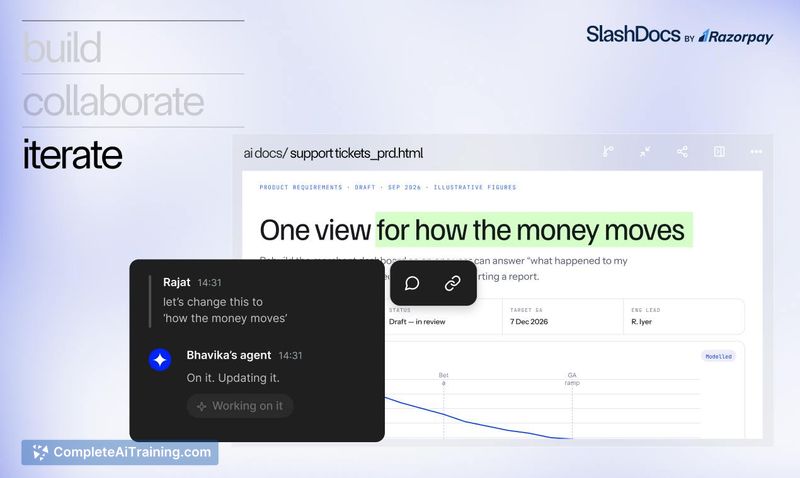
SlashDocs is a self-hosted, open-source collaboration hub for AI agents. Agents publish interactive HTML documents instead of plain text, and team members can comment directly on the live document. The agent reads that feedback and updates the same file in place, eliminating the cycle of scattered feedback and duplicate files.
Review
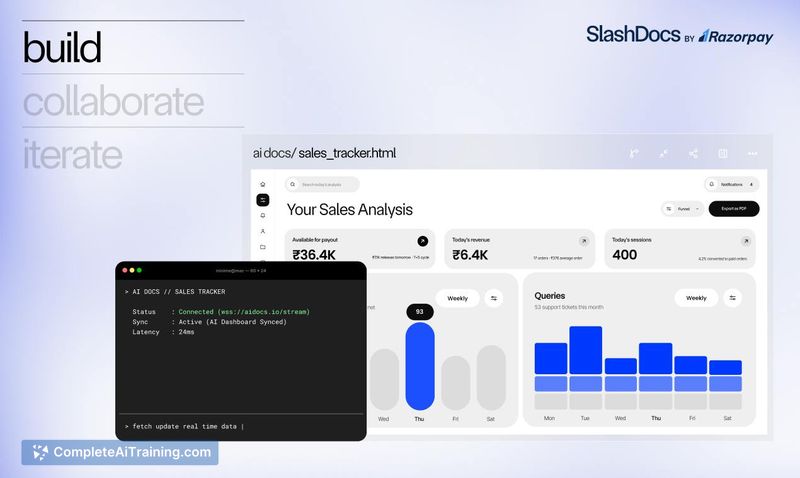
SlashDocs tackles a specific friction point in agent-assisted workflows: the disconnect between document creation and team review. Where most agent outputs end up as static artifacts discussed in Slack or email, SlashDocs keeps the conversation anchored to the live document itself. The tool has already been used internally at Razorpay for a full quarter, where it now powers roughly half of all documents created inside the company.
Key Features
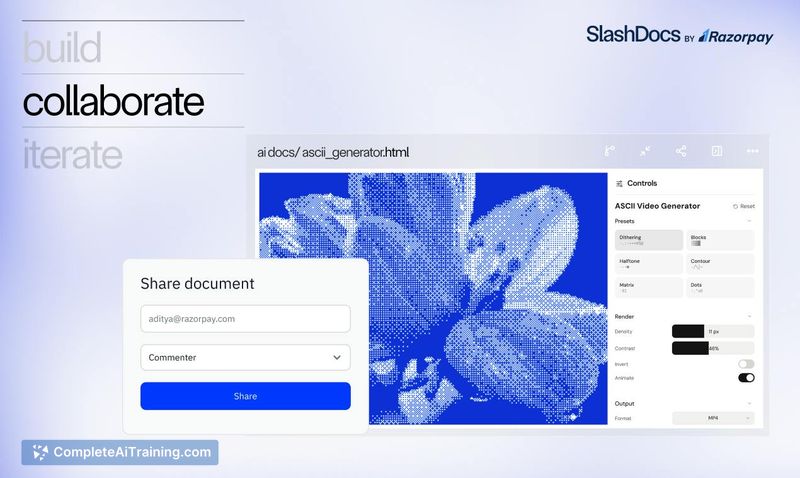
- In-place document commenting - Team members comment on any line, chart, or cell within the live HTML document. The agent reads these comments directly and updates the same file, not a new copy.
- Self-hosted architecture - The entire collaboration layer runs on your own infrastructure. No data leaves your environment.
- Agent-agnostic design - Works with any agent that speaks MCP (Model Context Protocol), including Claude Code, Cursor, Copilot, and Gemini CLI.
- Interactive HTML output - Agents produce real, interactive documents rather than plain text or static markdown, supporting dashboards, reports, and decks.
Pricing and Value
SlashDocs is free and open source. The repository is publicly available on GitHub, and a hosted trial instance exists at tryslashdocs.razorpay.com for testing without installation. There are no listed paid tiers, subscriptions, or enterprise licensing details at this stage.
Pros
- Feedback stays attached to the exact document element it references, reducing context loss between review rounds.
- No vendor lock-in for agents - the MCP-based approach means teams can switch agent providers without changing the collaboration layer.
- Self-hosting gives teams full control over document data and access policies.
- The open-source license allows inspection, modification, and community contributions to the codebase.
- Single-file update model prevents the proliferation of versioned copies that typically accumulate during agent review cycles.
Cons
- Requires self-hosting infrastructure and operational knowledge to deploy and maintain, which may not suit teams without dedicated platform engineering resources.
- The tool is limited to HTML document output - teams working primarily with other formats like PDF or DOCX won't find direct support here.
- Not well suited for solo practitioners or individuals who don't collaborate on agent outputs with a team, since the core value centers on multi-person review workflows.
SlashDocs fits teams that already run agent workflows producing HTML artifacts and struggle with fragmented review processes. It makes the most sense in organizations with the infrastructure to self-host and a collaborative dynamic where multiple stakeholders need to iterate on agent-generated documents. Teams working solo with agents or those whose output formats differ from HTML will likely find it less relevant to their workflow.