AI tool
Stage
Stage is a collaboration space where teams publish AI prototypes, pin feedback on specific spots, and auto-generate fixes. It is built for product designers, PMs, and engineers who need a single record of approvals before development.
About Stage
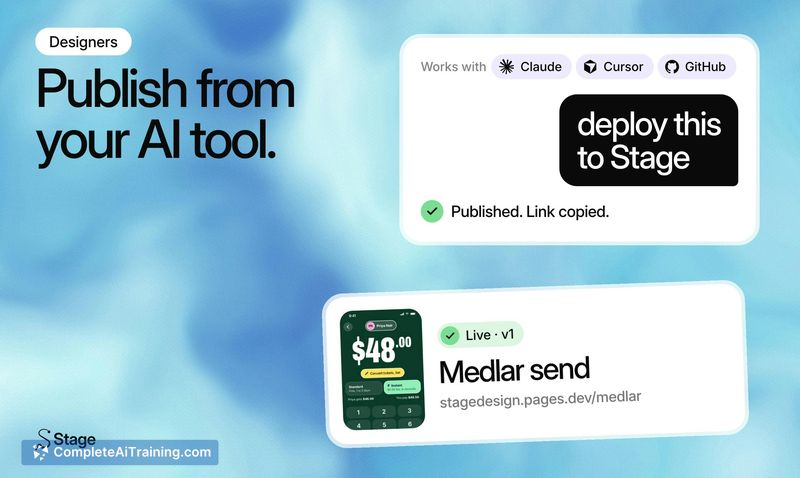
Stage is a review and sign-off tool for working prototypes and products. It lets teams publish prototypes from Figma, Claude, Cursor, or GitHub, then collect pinned comments directly on the running version. The tool uses Claude to apply those comments and generate a new version, with a structured workflow for design and product approval before filing a Linear or Jira ticket.
Review
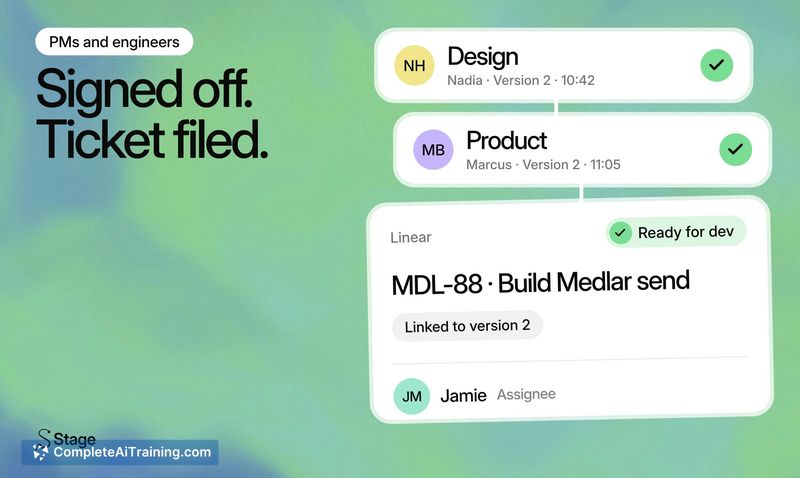
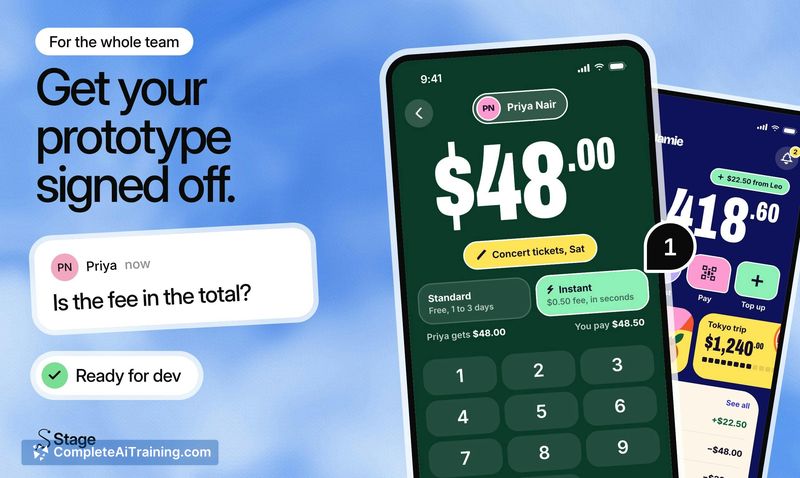

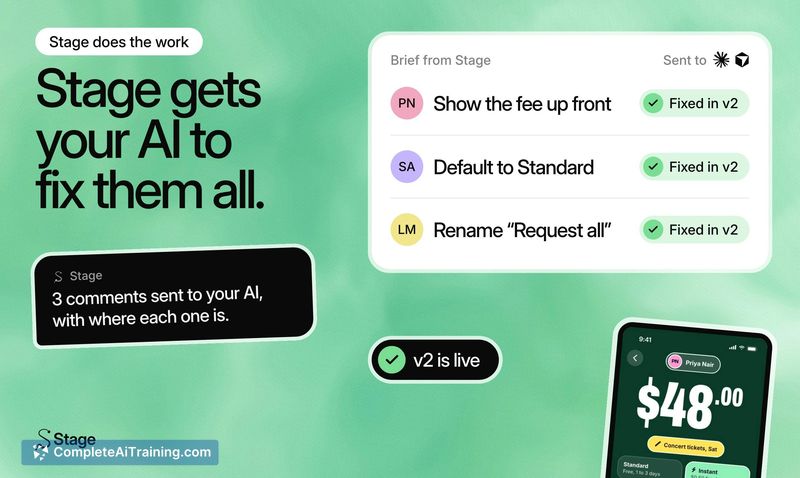
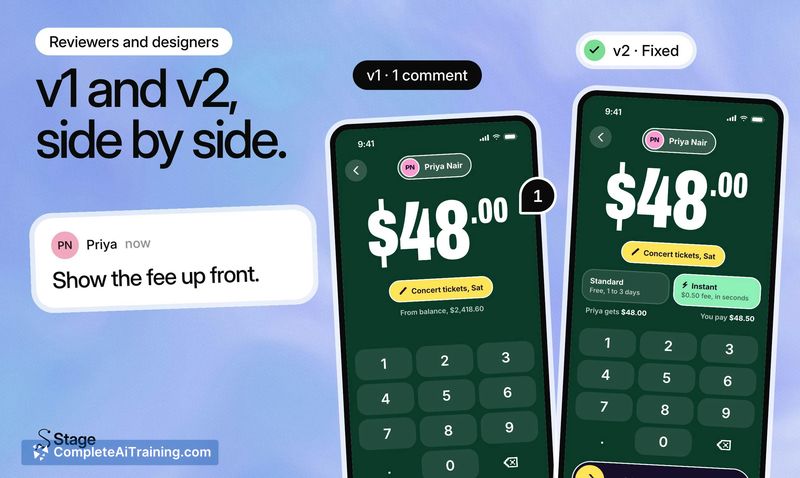
Stage tackles a specific coordination problem: the gap between a shareable prototype and a documented decision to build. It centralizes feedback, versioning, and sign-off in one place instead of scattering them across Slack threads and DMs. The tool's AI-assisted fix loop and formal approval steps give teams an audit trail that connects a comment to the exact version where it was resolved.
Key Features
- Publish prototypes from Figma, Claude, Cursor, GitHub, CLI, file upload, or a live URL, producing a single link that works on mobile devices.
- Pin comments to precise spots on a running prototype so feedback is tied to a visual location and a specific version.
- AI-driven fix rounds where Stage collects open comments, briefs Claude, and publishes a v2 with each resolved comment marked "Fixed in v2."
- Formal sign-off by design and product reviewers on an exact version, creating a timestamped record of who approved what.
- Automatic ticket creation in Linear or Jira once a version is approved, linking the development task to the signed-off prototype.
Pricing and Value
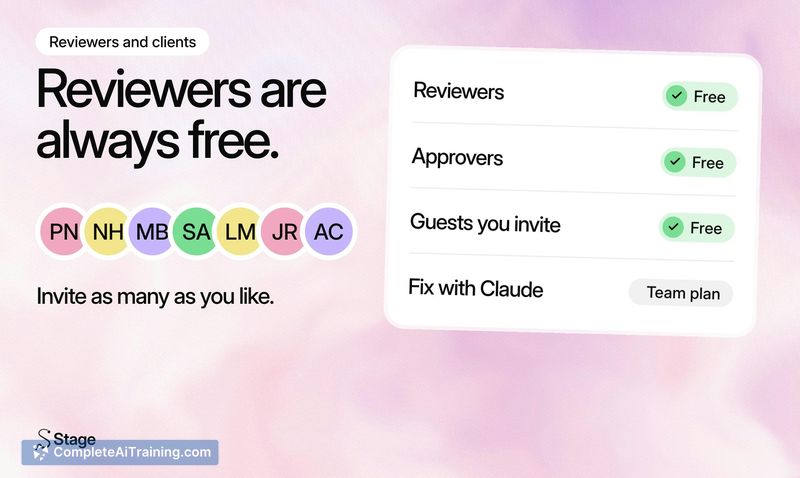
Stage is free for up to three makers. Reviewers, approvers, and engineers can use the tool without charge. For teams with more than three makers, the cost is $12 per maker per month, billed annually. Pricing for monthly billing has not been stated.
Pros
- Reviewers and engineers don't need a paid seat, which lowers the barrier for cross-functional participation.
- Comments are pinned to exact spots on the prototype rather than floating in a chat thread.
- Each fix round produces a discrete version, making it possible to compare v1 and v2 side by side.
- The sign-off step creates a clear handoff point with a linked Linear or Jira ticket.
Cons
- Reviewers cannot accept or reject individual changes before v2 is generated; the entire round ships as one batch, and any unsatisfactory fix must be reopened for the next round.
- The tool depends on Claude for the fix loop, so output quality is tied to that model's performance on UI changes.
- Teams that don't use Linear or Jira for task tracking won't get the automated ticket filing benefit.
Stage fits teams that already iterate with AI-generated prototypes and need a structured review trail before development begins. It's less suited for orgs that require line-by-line change approval before a new version is published, since the current workflow applies all fixes in one pass. Small teams with three or fewer makers can adopt the free tier without immediate cost, while larger groups will need to weigh the per-maker pricing against their current review tooling.