AI tool
Stigg 2.0
Stigg 2.0 is a usage runtime for AI products that enforces billing and governance between apps and billing stacks. It allows AI startups to manage credits and user entitlements directly in the request path.
About Stigg 2.0
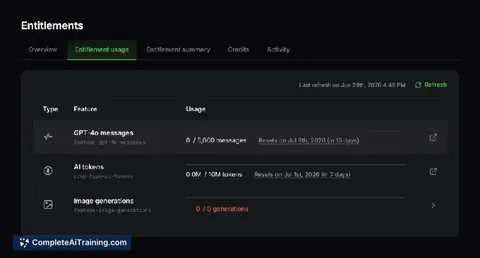
Stigg 2.0 is the usage runtime for AI products. It functions as a real-time enforcement and governance layer positioned between an application and its billing stack. The system determines what every customer, user, team, and agent can do at the moment of the request.
Review
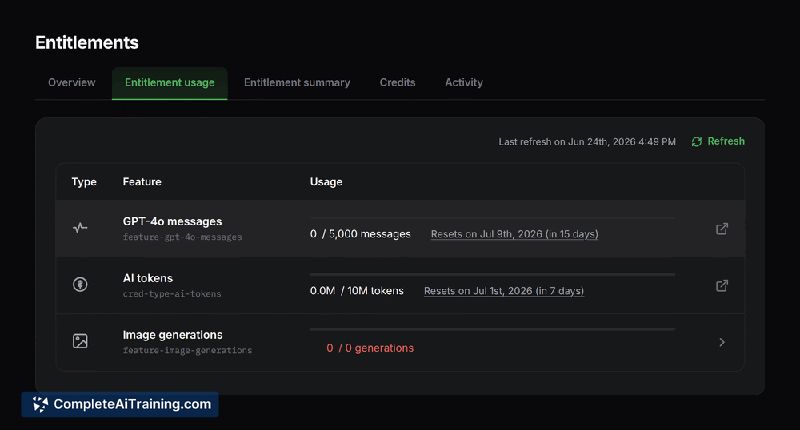
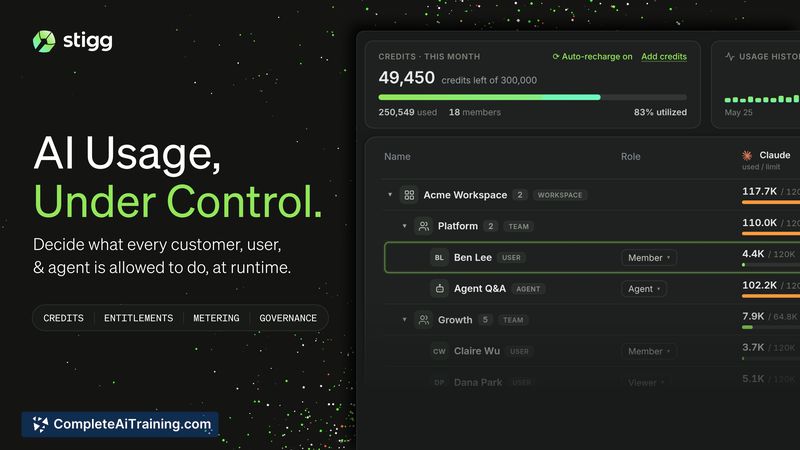
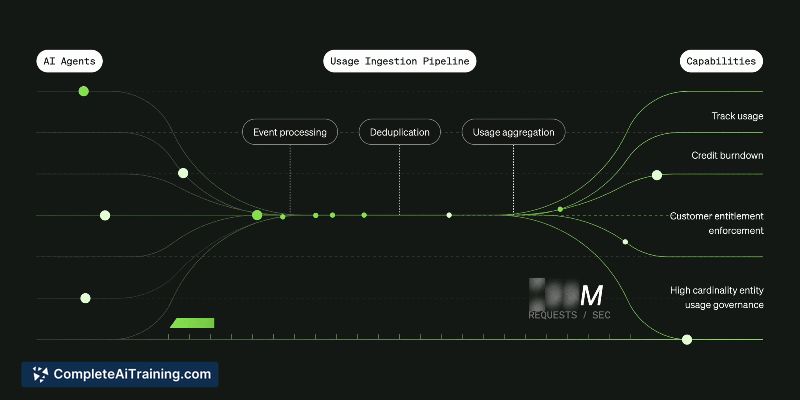
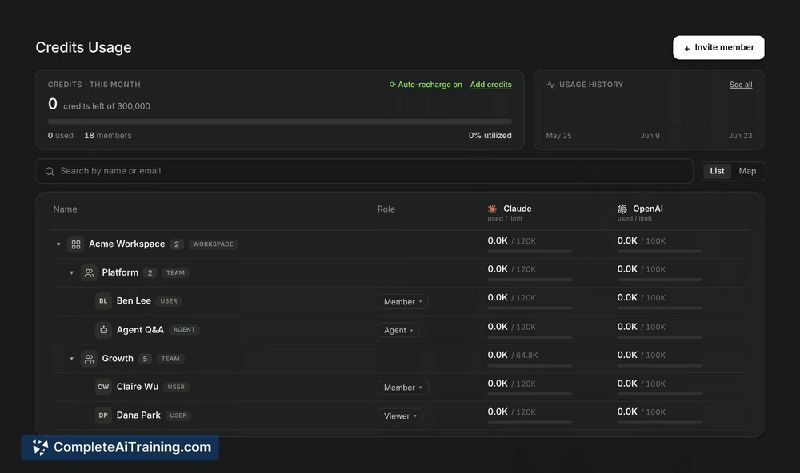
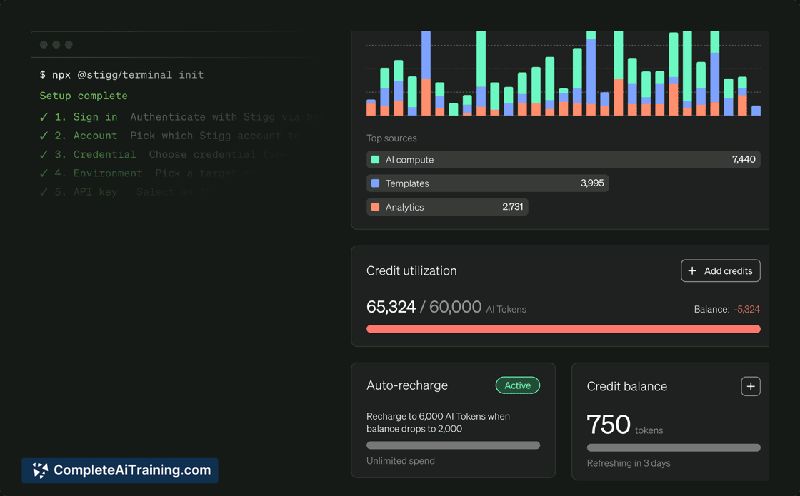
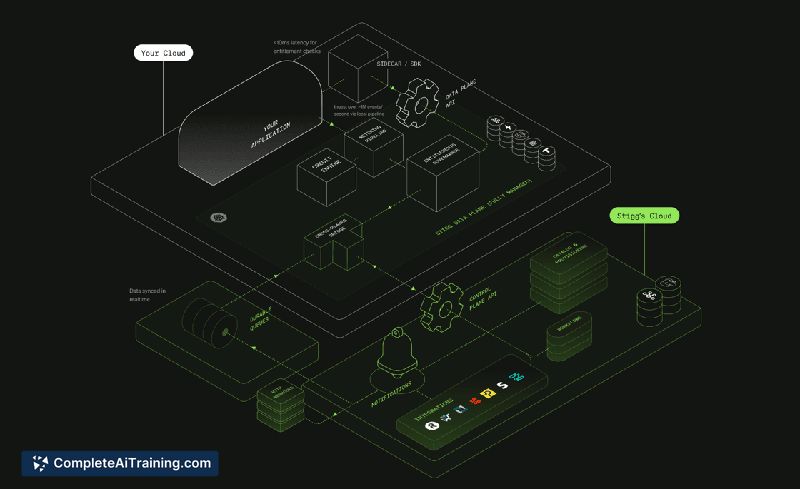
Building pricing and entitlements in-house requires significant engineering resources, especially when AI agents spawn sub-agents and API calls incur immediate costs. Stigg 2.0 moves enforcement into the request path. This approach evaluates credits and meters usage in single-digit milliseconds rather than reconciling usage on a monthly invoice.
Key Features
- Financial-grade ledger: Balances update before the API response returns, enforcing overdrafts at the wallet level with ASC 606-compliant provenance.
- Modular BYOC architecture: Teams can deploy the metering stack, including Kafka, Flink, and ClickHouse, into their own VPC to sustain over 1 million events per second.
- Configurable burn-down rules: The credits engine deducts balances using specific priority sequences, such as promotional credits first, followed by expiring, and finally paid credits.
- Usage Governance limits: The platform enforces limits and user-level spend caps in under 5ms P99 on every request to prevent single users from exhausting enterprise allocations.
Pricing and Value
Stigg 2.0 is free forever for AI startups. The reference material does not define pricing models or tiers for enterprise customers or non-startup entities.
Pros
- Evaluates requests synchronously to decide if an action should proceed, separating the check phase from the asynchronous settlement phase.
- Handles streaming workloads by estimating costs upfront with a safety buffer and reconciling the final token count through an event ingestion pipeline.
- Allows atomic holds at check time for strict budget enforcement, reserving the estimated cost against the balance before the request executes.
- Maintains clean trust boundaries by keeping configuration and management centralized while running the enforcement modules in the customer cloud.
Cons
- The system requires an upfront cost estimate for streaming responses, which can lead to estimate drift and false-blocking during wide agent fan-outs if the reserved amount exceeds actual spend.
- Network partitions between the centralized management plane and the decentralized BYOC enforcement layer may create fail-open risks if the local governance node cannot reach the central ledger.
- This tool is not well suited for teams building simple, non-AI SaaS applications with deterministic pricing, as its architecture specifically targets nondeterministic token usage and real-time agent cost enforcement.
Stigg 2.0 fits organizations building AI products where API calls incur immediate, variable costs. It serves engineering teams that need to separate feature development from pricing experiments while maintaining strict financial controls at the point of consumption.
Jobs Stigg 2.0 suits
We checked Stigg 2.0 against 500+ jobs; these get the most out of it.
Alternatives to Stigg 2.0
Other tools that do the same main job. Our AI compared Stigg 2.0 with similar tools and kept the ones you could use instead.