AI tool
SuperLocalMemory
SuperLocalMemory is a local-first memory system for AI coding agents like Claude Code, Codex, Cursor, and ChatGPT. It lets you search images and PDFs by describing them and always indicates whether a memory is supported, related, or unavailable. B...
About SuperLocalMemory
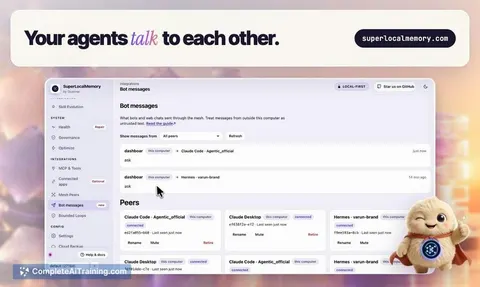
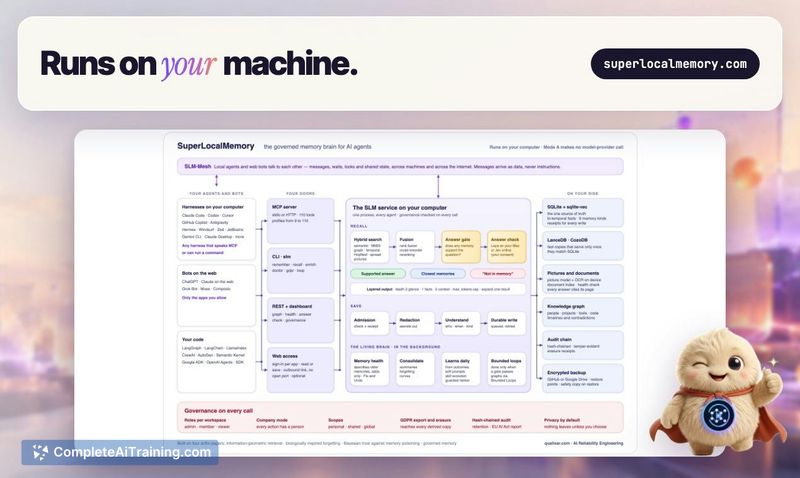
SuperLocalMemory is a local-first memory system designed to give multiple AI coding agents a shared, governed memory. Claude Code, Codex, Cursor, ChatGPT, and any MCP or CLI agent can access the same memory store. It records facts with temporal and authorship tracking, enforces profiles and roles, and keeps an audit trail with verified erasure. The core runs on the user's machine and the code is released under AGPL-3.0.
Review
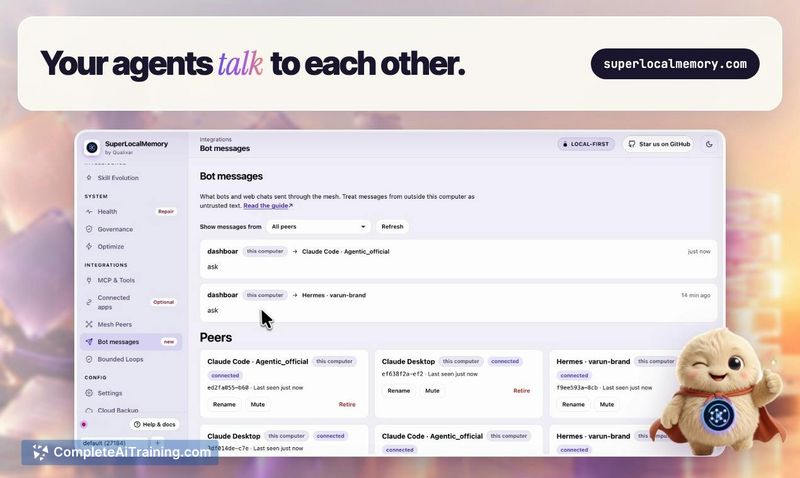
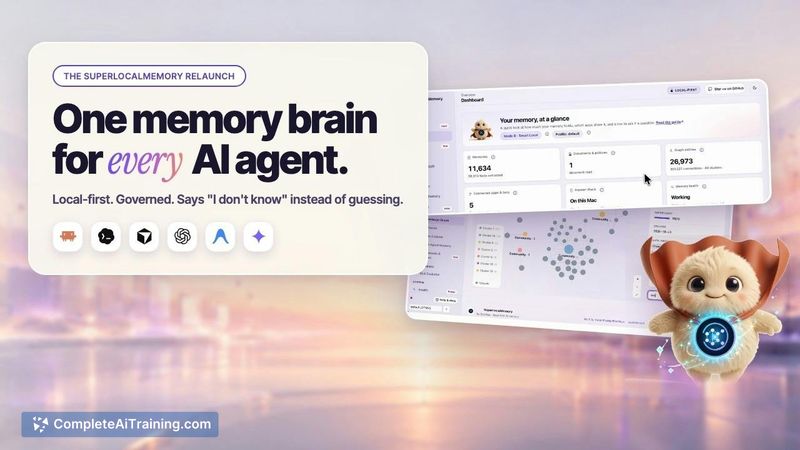
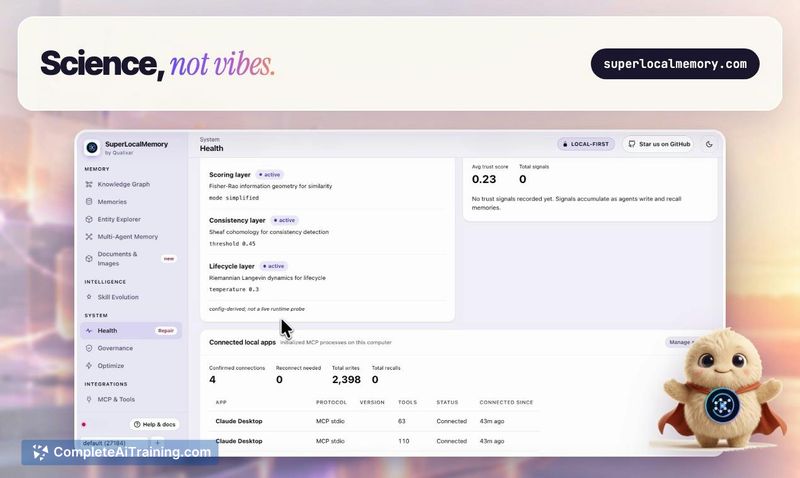
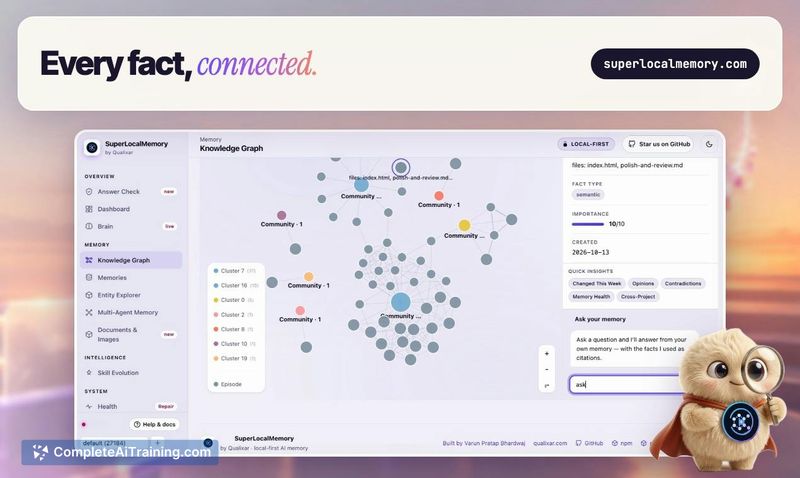
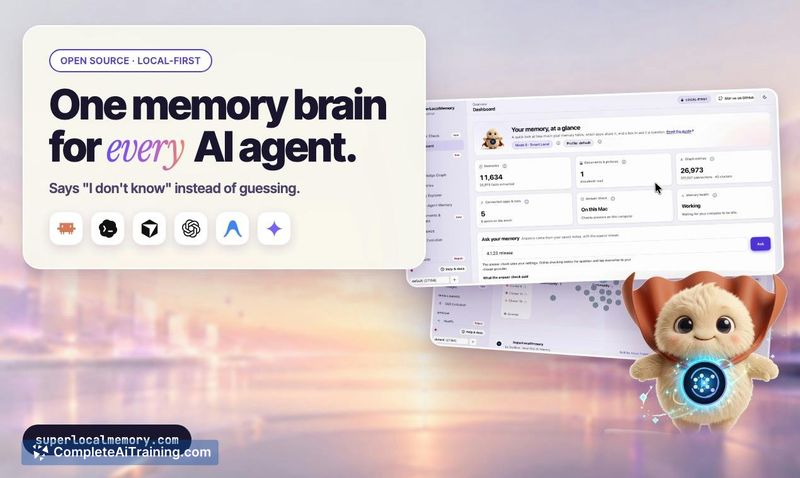
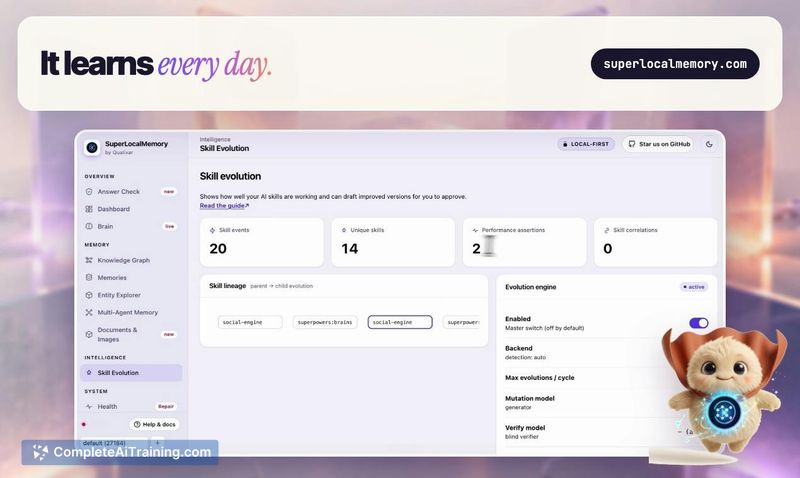
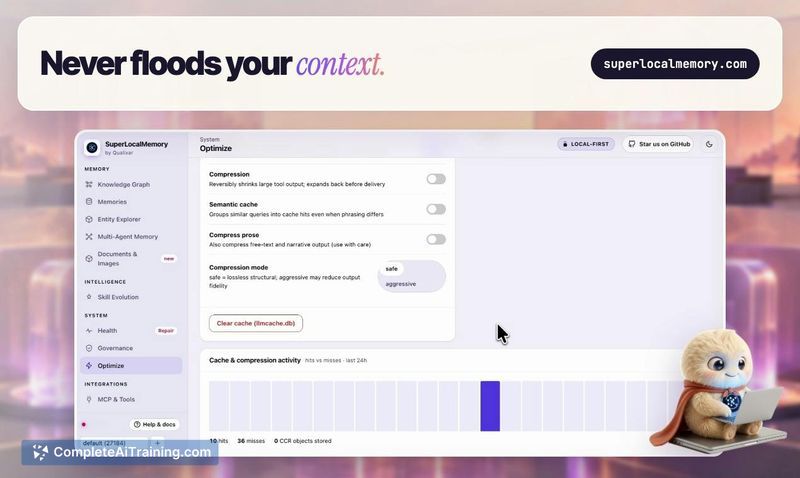
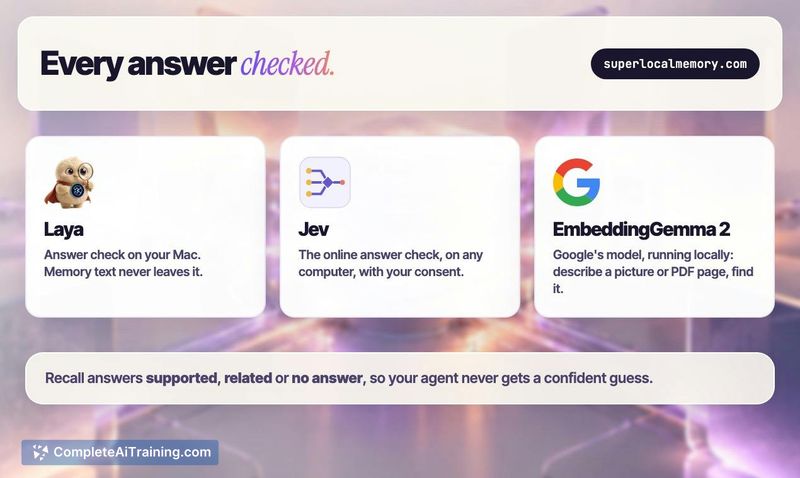
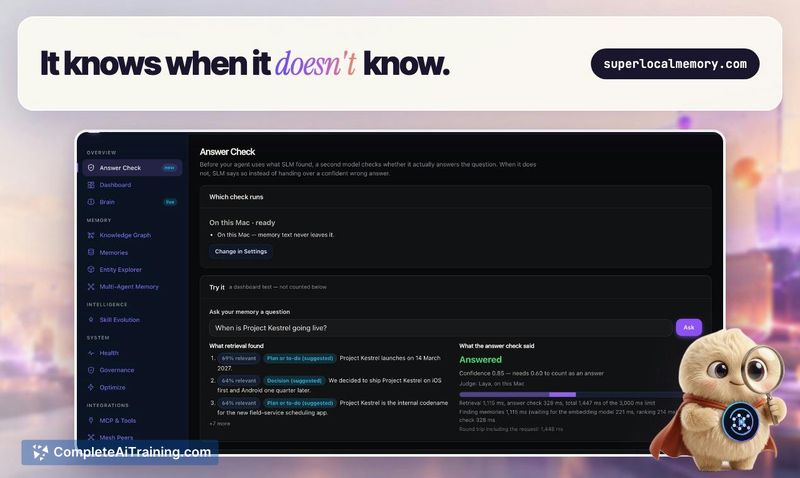
Most agent memory tools return the closest match they can find, even when it doesn't actually answer the question. SuperLocalMemory takes a different approach by labeling each recall result as "supported," "related," or "no answer." This distinction matters when multiple agents share state-a half-related note from one agent won't be passed to the next as if it were a fact. The system is backed by four arXiv papers that document its evolution from a basic retrieval layer to a governed memory architecture with formal checks on the write path.
Key Features
- Recall classification: Instead of returning the nearest vector match, recall labels results as "supported," "related," or "no answer." An optional Answer Check verifies whether a stored memory actually supports the query.
- Multi-agent shared memory: Claude Code, Codex, Cursor, ChatGPT, and any MCP or CLI agent share one memory store over MCP or the CLI. Each fact records which agent wrote it and when.
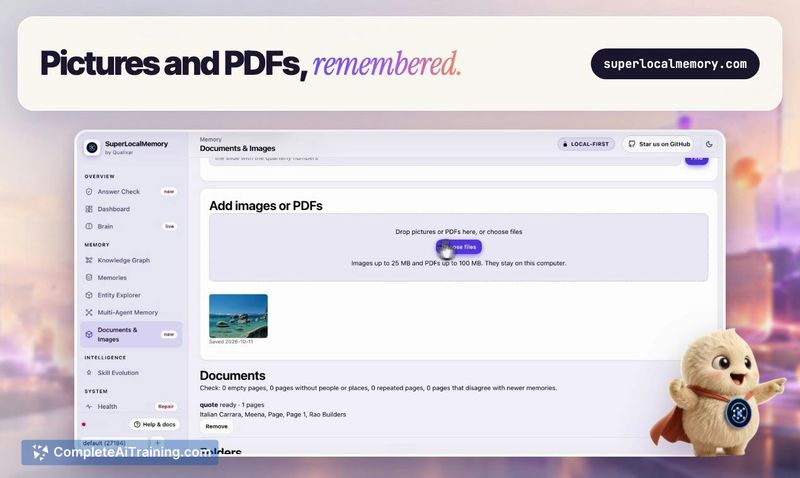
- Multimodal memory: The system remembers pictures and PDFs. Users can search for visual content by describing it, using Google's EmbeddingGemma 2 model.
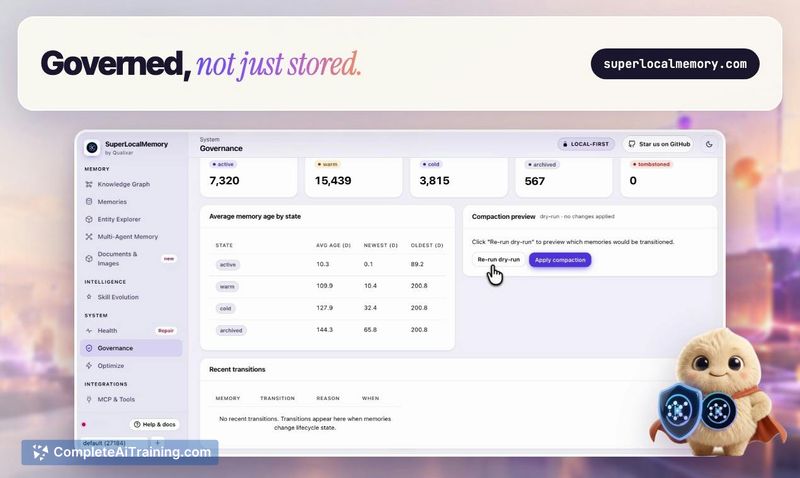
- Governance and audit: Profiles, scopes, and roles control what each agent can read. A hash-chained audit trail tracks changes, and verified erasure confirms that deleting a fact also removes derived copies.
- Local execution: The core memory path runs on the user's machine. An optional local answer checker called Laya operates on Mac, with an online alternative named Jev available.
Pricing and Value
SuperLocalMemory is free and open source under the AGPL-3.0 license. The code is available on GitHub. There is no mention of paid tiers, hosted plans, or enterprise licensing on the product page or in the launch materials. The local-first design means users run the software on their own hardware without a cloud dependency for the core memory path.
Pros
- Recall explicitly states when it cannot answer a question, preventing agents from treating unrelated context as fact.
- Time-aware memory tracks when each fact was true, not just when it was saved.
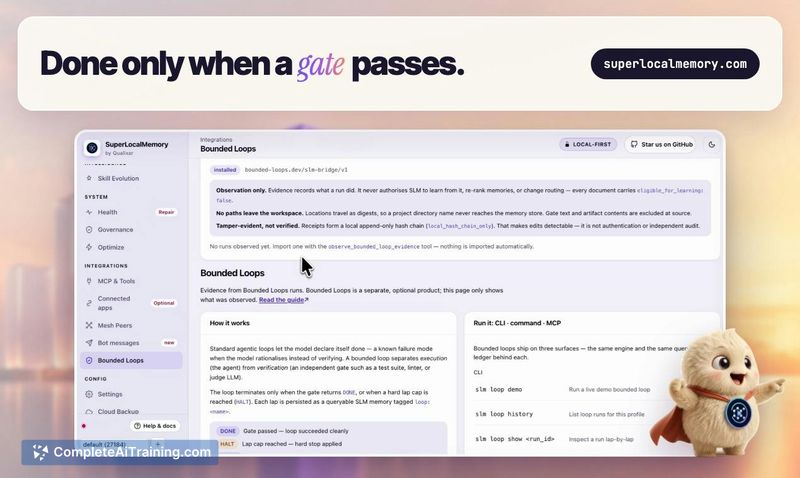
- The write path was tested under eleven fault-injection scenarios, each repeated 200 times, and held 2,199 of 2,200 scoped properties.
- Memory governance includes role-based access, an audit trail, and verified erasure that confirms derived copies are removed.
- Four arXiv papers document the system's development over eight months, with each paper corresponding to features the product actually ships.
Cons
- The tool is not well suited for teams that prefer a fully managed cloud service with no local setup-everything runs on the user's machine or requires self-hosting.
- The AGPL-3.0 license may create compliance considerations for organizations building proprietary software that links against the memory system.
- The project is relatively new in its rebuilt form, and community adoption outside the development team's own usage is still small as of this launch.
SuperLocalMemory addresses a specific failure mode in multi-agent workflows: the compounding error that happens when one agent saves ambiguous context and the next agent treats it as an answer. Developers running several coding agents on the same project will likely see the most immediate benefit from the recall classification and shared fact store. Teams that only use a single agent, or that don't need audit trails and verified erasure, may find the governance layer adds complexity they don't yet need.