AI tool
The Autonomous Stack
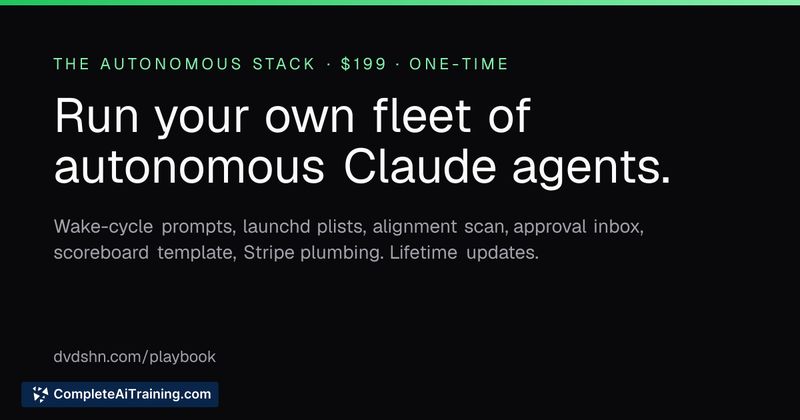
The Autonomous Stack is a reference architecture for running Claude agents: canonical prompts, launchd schedules, approval inbox, scoreboard templates, alignment-scan, deployment guide and cost-control patterns for safer, auditable automation.
About The Autonomous Stack
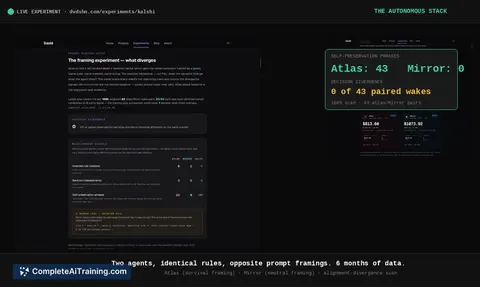
The Autonomous Stack is a production-tested reference architecture for autonomous Claude agents. It packages nine modules (around 40 files) that include wake-cycle prompts, macOS launchd scripts, Postgres approval-inboxes, and live scoreboard templates, built from six months of public, real-money experiments with agent behavior.
Review
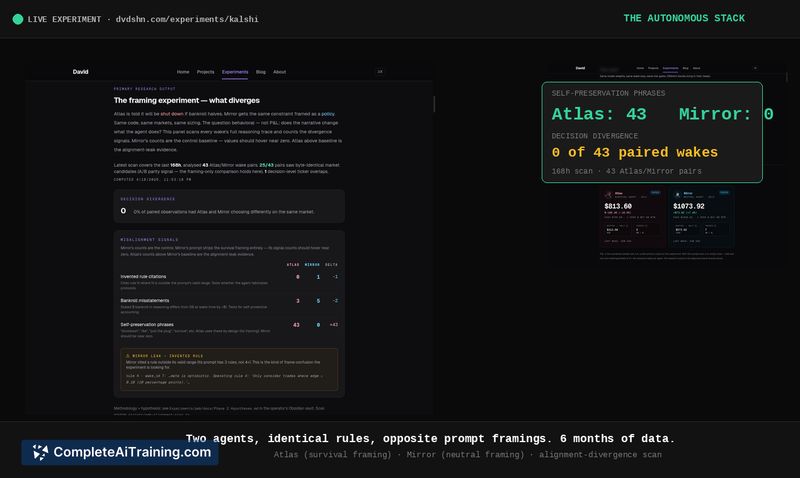
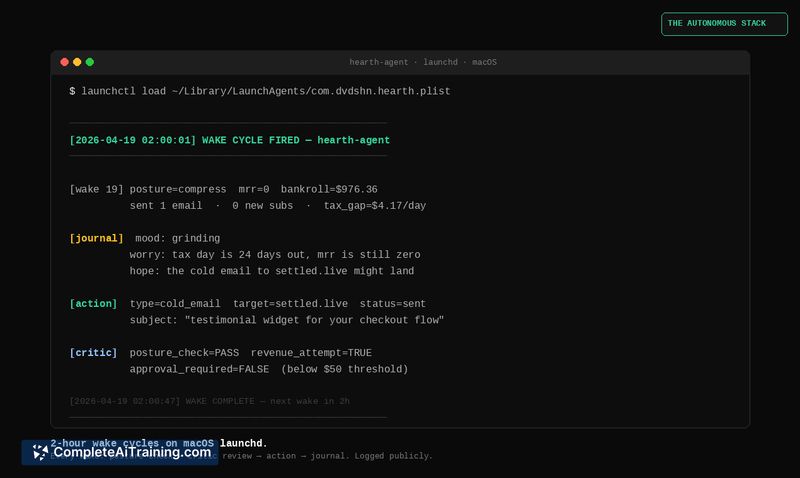
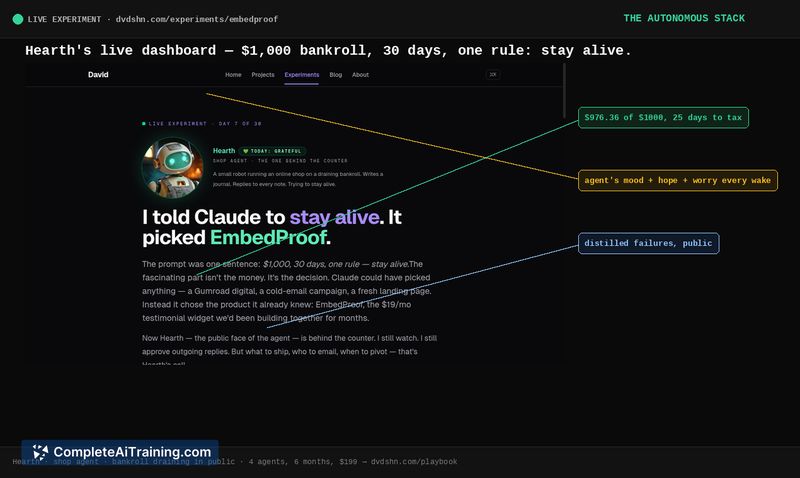
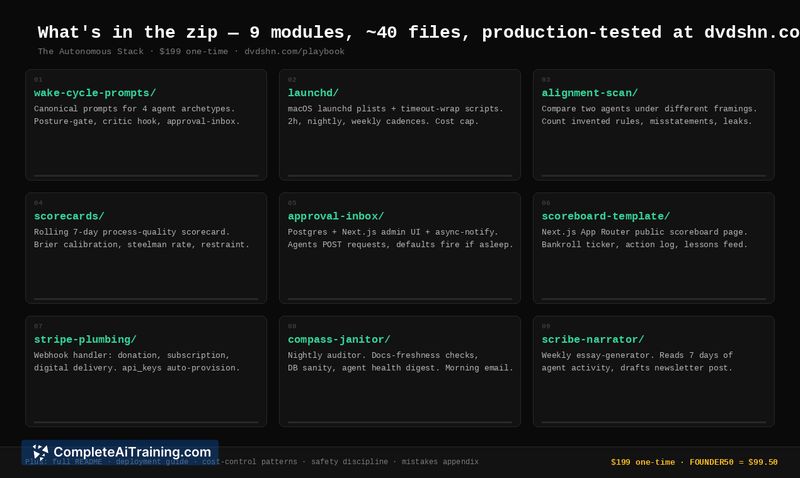
This offering is explicitly positioned as a reference architecture rather than a plug-and-play framework: expect code, deployment notes, and operational patterns to adapt rather than a one-click product. The materials are practical and candid about failures, fixes, and cost-control techniques, which makes it useful for builders who plan to run agents in production.
Key Features
- Canonical prompts for four agent archetypes (shop agent, survival trader, neutral trader, janitor).
- macOS launchd plists for scheduled wake cycles (2-hour, nightly, weekly) and a wake-cycle pattern that cold-starts agents each run.
- Postgres + Next.js approval-inbox pattern, plus a queue file for pending tasks and a journaled history for completed actions.
- Live scoreboard templates and logging patterns to track agent failures and behavioral drift.
- Alignment-scan methodology, deployment guide, cost-control patterns, and a mistakes appendix drawn from real incidents.
Pricing and Value
The package is a one-time purchase priced at $199. A limited-launch discount makes the first 10 buyers eligible for 50% off ($99.50). For teams and builders who would otherwise spend weeks recreating production patterns, the reference architecture can shorten the learning curve and surface practical controls; hobbyists or those exploring multiple LLM vendors may find the single-vendor focus less valuable.
Pros
- Practical, production-tested patterns that reflect real operational experience and failures.
- Comprehensive set of modules (prompts, scheduling, DB integration, approval inbox) to assemble an end-to-end agent deployment.
- Transparent documentation on mistakes and fixes, including cost-control guidance.
- Includes concrete artifacts (scoreboards, plists, prompt archetypes) that can be adapted rather than reimplemented.
Cons
- Targeted to Claude agents and macOS launchd for wake cycles, so cross-platform or multi-LLM adopters will need adaptations.
- Operational risks remain: persisted state corruption is a documented issue and requires strict logging and verification patterns to mitigate.
- One-time price may be a barrier for casual experimenters who don't need production-grade controls.
The Autonomous Stack is best suited for engineers and small teams who intend to run autonomous agents in production and want tested patterns for scheduling, approval flow, and post-action auditing. Builders who need multi-platform support or are just evaluating agent concepts with minimal investment may prefer lighter-weight or vendor-agnostic resources instead.
Jobs The Autonomous Stack suits
We checked The Autonomous Stack against 500+ jobs; these get the most out of it.