AI tool
throxy
throxy provides local-language outbound calling for B2B software companies. When a lead appears, the system routes the call to an SDR who speaks their language. It is designed for teams that sell into markets where email sequences alone fall short.

About throxy
throxy is a sales agency that books qualified meetings for B2B companies through cold calling. It targets industries where standard email outreach tends to underperform, such as manufacturing, logistics, and construction. The service uses proprietary technology to build lead lists, and its sales development representatives (SDRs) then call those prospects. All SDRs are humans, not AI voice agents.
Review


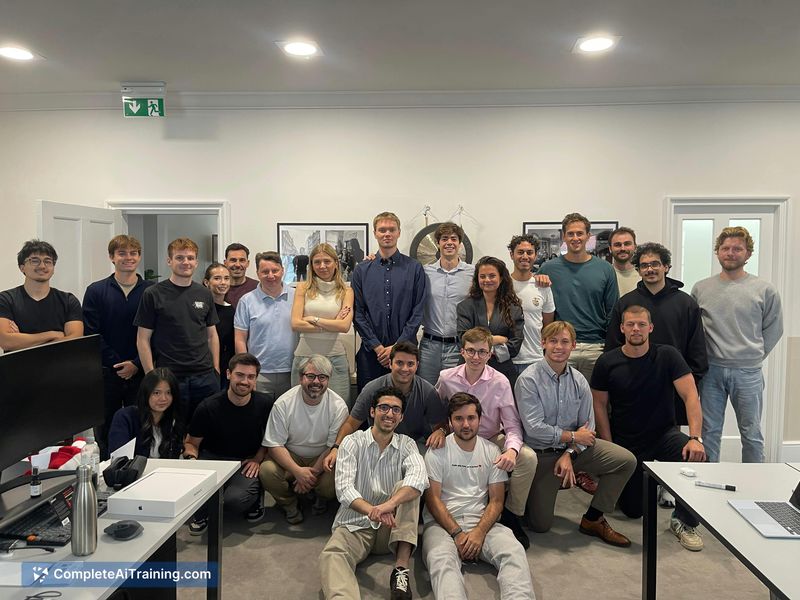

throxy launched its local-language calling feature this week, which routes a call to an SDR who speaks the lead's native language. The company completed the Y Combinator program last year and reports having made over 3.8 million cold calls for 149 clients. This review examines what the service does today, how it's priced, and where it fits (or doesn't) in a sales stack.
Key Features
- Local-language call routing. When a prospect is identified, the system checks their location and routes the call to an SDR who speaks that language. A lead in Lyon hears French, a lead in Munich hears German.
- Proprietary list building. The team constructs a custom database for each client, pulling from niche offline data sources rather than relying solely on standard B2B contact databases.
- Maestro dialer with live coaching. Calls are managed through an internal dialer called Maestro that connects a prospect to the best available caller for that product and language. SDRs receive real-time, in-call coaching on identifying pain points and booking the meeting.
- Client-qualified meeting acceptance. Before a meeting is billed, the client receives the full conversation context-qualification questions, lead information, company details. The client decides whether to accept the meeting, and throxy only charges for meetings that the prospect actually attends.
Pricing and Value
throxy operates on a pay-per-meeting model. Clients are billed only for meetings they accept and that the prospect attends. The tool's page states that a one-month pilot is available for companies wanting to test the service before committing further. Specific per-meeting pricing or retainer structures are not publicly listed.
Pros
- Human SDRs handle the calls, which avoids the friction some prospects feel with AI voice bots.
- The local-language routing addresses a practical problem: a cold call in a non-native language often ends before the pitch starts.
- Clients retain full control over which meetings count as billable, based on conversation context provided beforehand.
- The focus on offline data sourcing can surface leads that don't appear in conventional intent-signal tools.
- A one-month pilot lets companies evaluate fit without a long-term lock-in.
Cons
- There is no self-serve testing mechanism. A prospective client cannot trigger a sample call or inspect call quality without entering the pilot process.
- The service is not designed for B2C companies or for B2B firms that lack a working product and a clearly defined buyer.
- Pricing details beyond the pay-per-meeting structure remain unpublished, which makes direct cost comparison with other outbound agencies difficult.
throxy makes sense for B2B software companies that have a defined buyer persona and sell into European markets where language diversity derails standard English-only outreach. Teams that already know cold calling works for their industry but lack the internal SDR capacity or language coverage will find the model straightforward. Companies that prefer to own their outbound tech stack or need AI voice agents won't find that here-the human-only SDR approach is central to how the service operates.