AI tool
Tiden
Tiden helps engineering teams review, test, and release code written by AI agents while keeping human control over what ships. It is built for teams whose delivery process has become a bottleneck after adopting agentic coding.
About Tiden
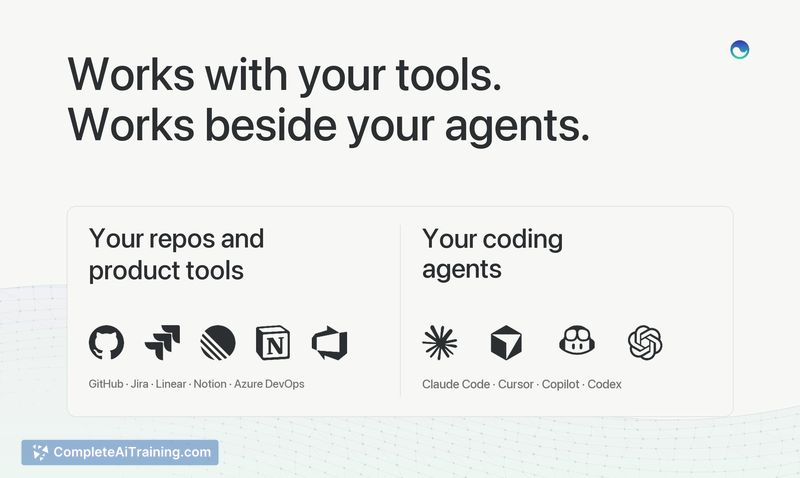
Tiden is an intent verification system for coding agents. It captures what a developer asked for before code is written, then checks subsequent changes against that original spec rather than against the session that produced the code. The tool works alongside Claude Code, Cursor, Codex, and Copilot, and runs tests in the user's own environment.
Review
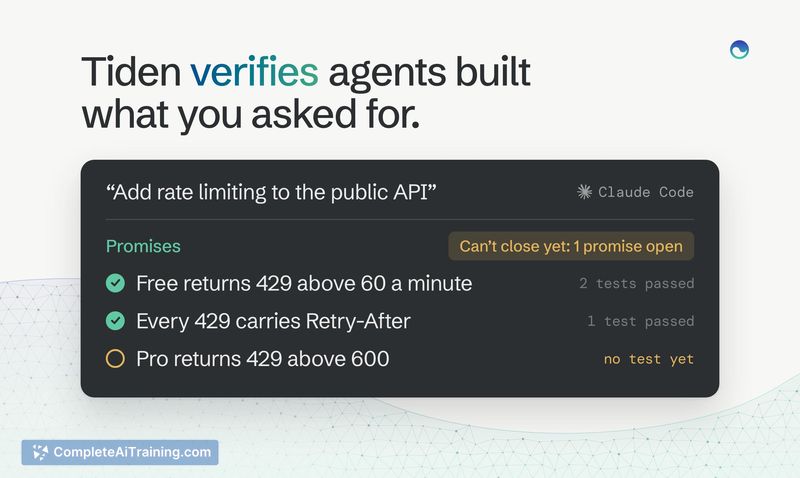
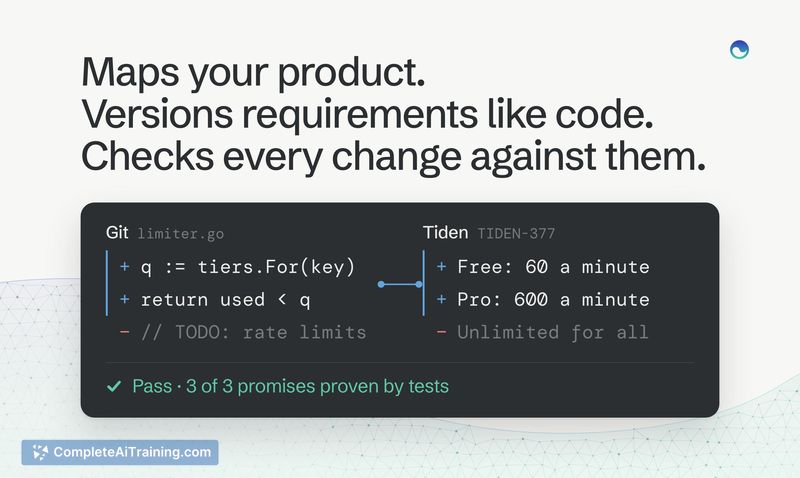
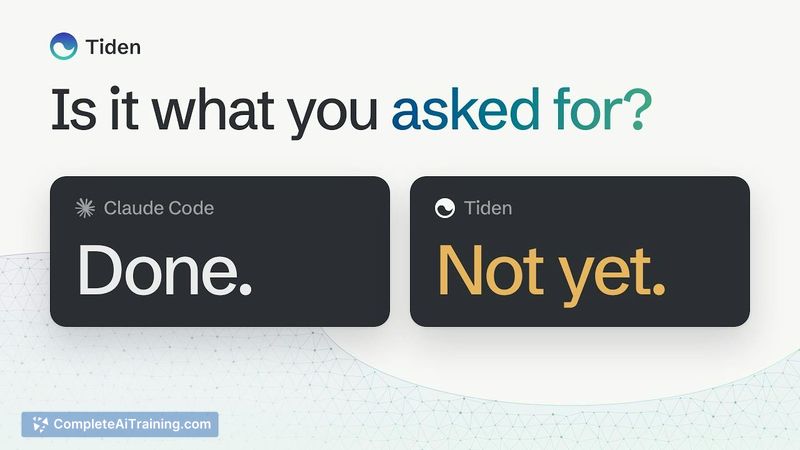
Tiden addresses a specific problem that surfaces when teams adopt AI coding agents: the agent writes the code, the tests, and the documentation, so everything agrees by default, but that doesn't mean the output matches the original request. Tiden sits outside that loop. It records the intent as a versioned spec, gates changes on test results from the user's environment, and traces production errors back to the release and the prompt that triggered it.
Key Features
- A session hook captures the user's request before the first edit, turning it into a reviewable requirement that branches and merges like code.
- Tiden identifies which existing tests a change touches, runs them in the user's environment, and directs the agent to fix failures before merging.
- The verdict at the gate comes from test execution-no model grades the diff. A red gate tells the agent what to fix; a green gate includes attached evidence.
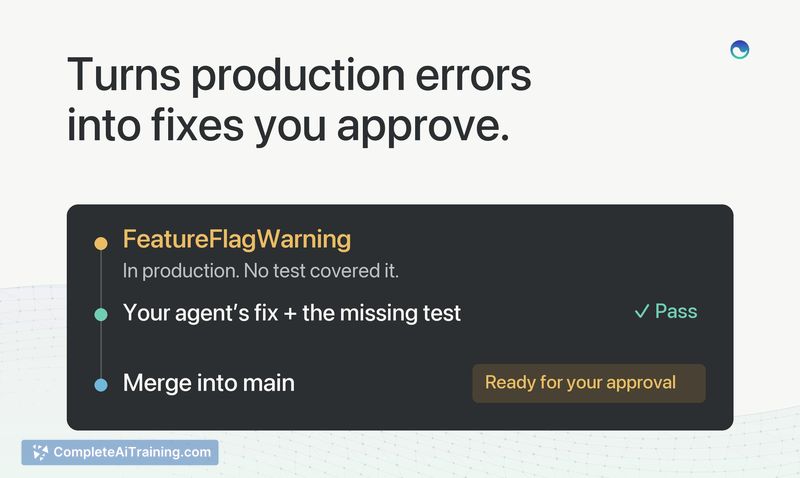
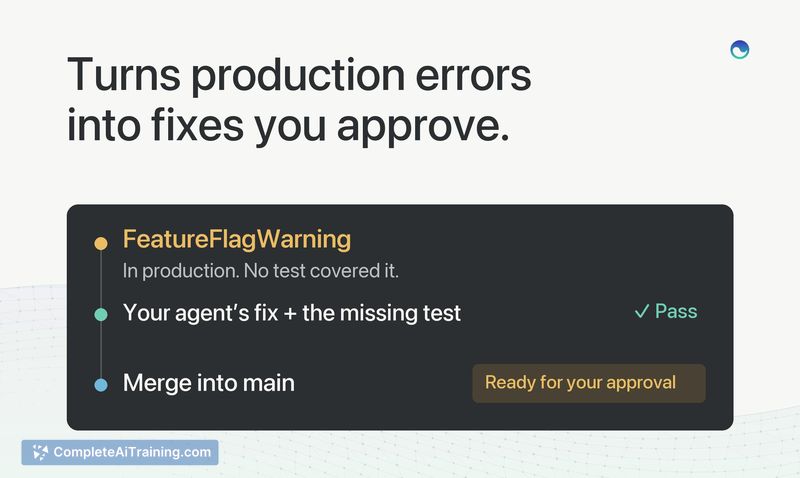
- Production errors trace back through the release and the change to the original prompt, with the missing test surfaced for the fix.
- Specs live as a single versioned record that any connected agent reads from, replacing scattered markdown files.
Pricing and Value
Tiden offers Starter and Team plans, both with a 14-day free trial. Specific pricing figures are not listed on the product page. The CLI installs in one command, and setup with an existing code repository is described as taking under half a day.
Pros
- Decouples verification from the agent session that produced the code, so tests aren't self-referential.
- Works with multiple coding agents without tying the team to a single vendor's ecosystem.
- Gate logic has been hardened against false positives-the team documents specific bugs where "nothing to check" or stale results incorrectly showed green.
- Traces production errors back to the prompt and the release, attaching the missing test to the fix.
- Requirements are versioned and shared across repositories, so the spec stays current as the codebase changes.
Cons
- The tool verifies that the agent built what was asked for; it does not assess whether the request itself was correct. That judgment remains with the human.
- Tiden is not suited for teams that don't yet have test coverage or aren't prepared to build it-while you can start without tests, the gating value comes from running them.
- As a newly launched product, the long-term support track record and community ecosystem are still unproven.
Tiden fits engineering teams that already ship agent-written code and feel the bottleneck shift from coding speed to review, regression, and release confidence. It's less relevant for teams that haven't adopted coding agents or that lack the test infrastructure to feed its verification loop. The tool's stance-agent-neutral, spec-driven, and test-gated-makes it a candidate for workflows where a human needs an auditable record of what was requested and whether it was met.