AI tool
ToolJet
ToolJet is a platform for building internal tools with AI assistance. It provides over 100 data integrations, a built-in database, and security scans for developers who want to create applications with version reviews and human approval workflows.
About ToolJet
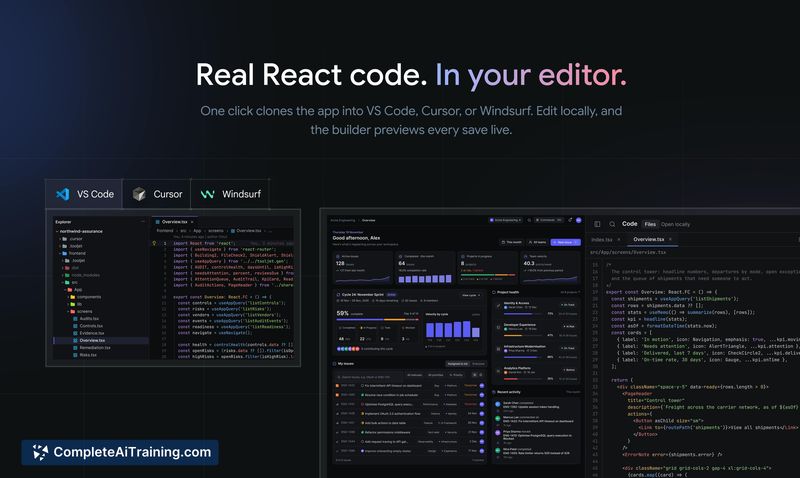
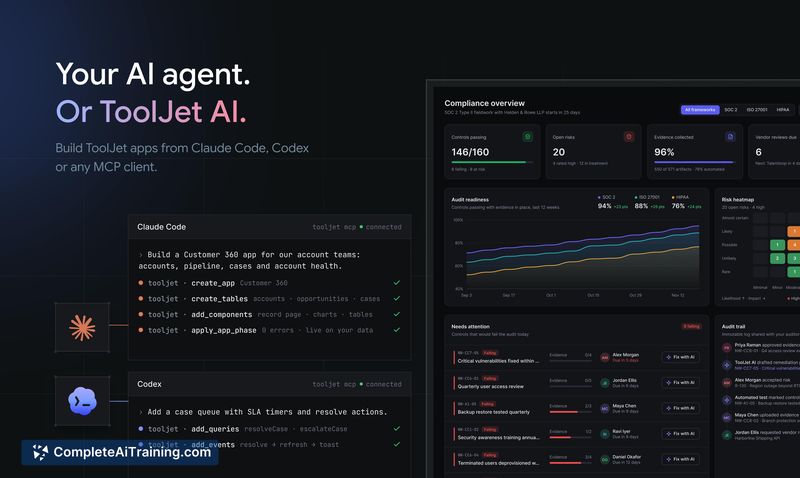
ToolJet is a platform for running internal business applications like admin panels, dashboards, and approval tools. A coding agent-such as Claude Code, Codex, or Cursor-writes the front end in React, and ToolJet supplies the backend infrastructure, data connections, permissions, and deployment environment. It can be hosted on ToolJet Cloud or self-hosted on AWS, GCP, Azure, Docker, or Kubernetes.
Review

ToolJet addresses a specific gap that appears when AI coding agents produce an app in minutes: the app still needs a runtime with access controls, audit trails, and a way to connect to real databases. Instead of assembling that layer from scratch, teams can point their agent at ToolJet and get a React-based internal tool with SSO, version reviews, and security scanning built in. The platform separates what the agent generates from what the platform enforces-permissions, scan results, and approval workflows remain under admin control.
Key Features
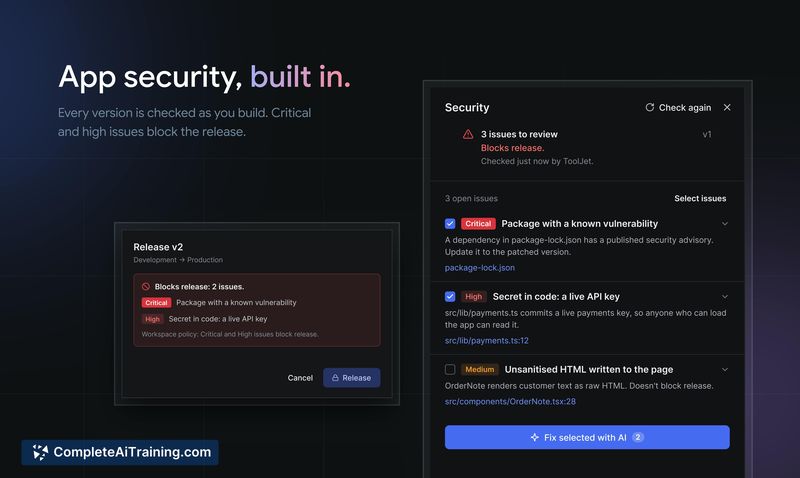
- React Builder with security scanning. Write front-end code in React from VS Code or Cursor, or have Claude Code or Codex generate it. Every save triggers a security scan; versions flagged as risky cannot ship until fixed or manually overridden.
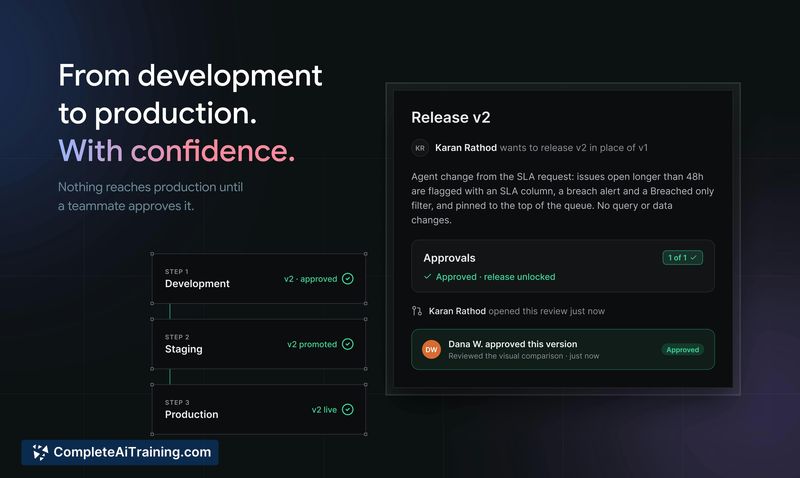
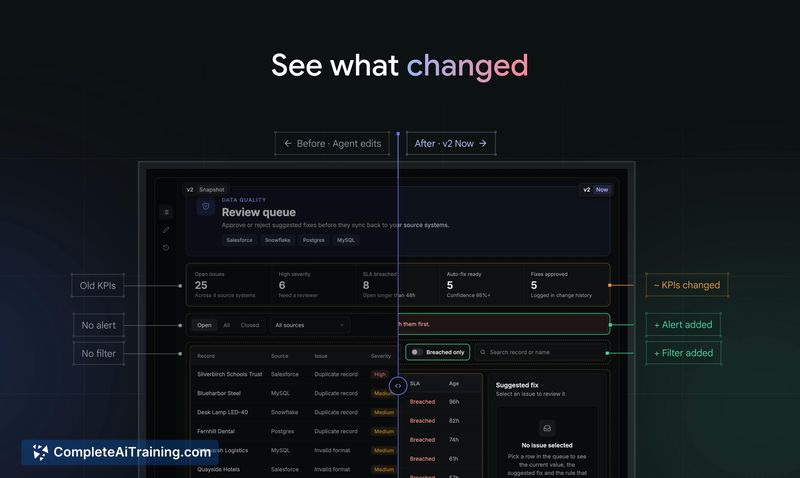
- Visual Builder with version reviews. A drag-and-drop builder includes three component packs: Rocket 2.0, Ant Design, and Material UI. Users can compare versions and request a teammate review before release.
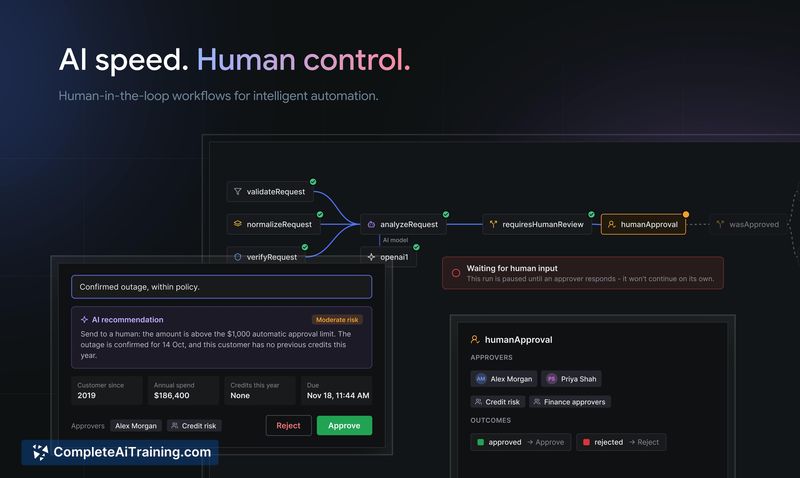
- Workflows with human approvals. Automations can pause and wait for a person's decision-for example, approving a large refund-before proceeding.
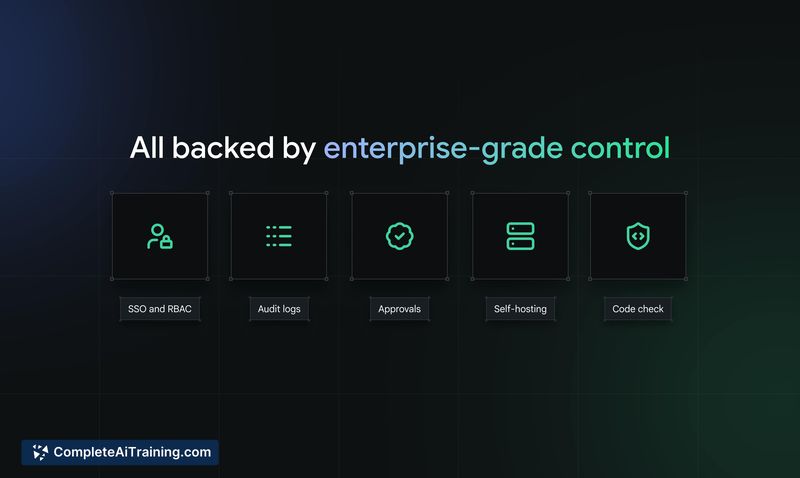
- Granular permissions and SSO. Access controls apply down to individual apps, pages, queries, and data sources. Single sign-on supports OIDC, SAML, and LDAP, and works with Okta, Microsoft Entra ID, Google, and other providers.
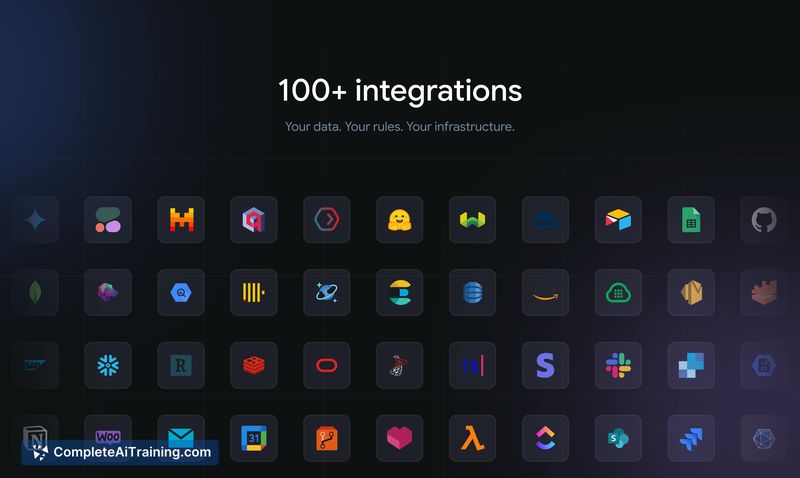
- 100+ integrations and built-in database. Connects to databases, APIs, and SaaS tools. Also includes ToolJet DB, a built-in database for apps that don't need an external data store.
Pricing and Value
ToolJet offers a free tier. The reference content mentions per-builder pricing, but specific plan details and pricing tiers are not defined in the provided material. Self-hosting is available under the same model-documentation covers deployment on AWS, GCP, Azure, Docker, and Kubernetes-but exact self-hosted pricing is not stated. AI credit limits per person can be set by admins, which suggests usage-based controls on the AI features.
Pros
- Security scanning runs on every save, not just at deploy time, and blocks risky versions from shipping.
- Workflows can pause for human approval, which covers processes like refund reviews that pure automation cannot handle.
- Self-hosting supports major cloud providers and container environments, giving teams control over where data resides.
- Permissions reach down to individual queries and data sources, not just the app level.
- Separate development, staging, and production environments come standard, with audit logs tracking who did what.
Cons
- Teams that don't use React or don't want a coding agent involved in app creation will find the React Builder path irrelevant; the Visual Builder exists but may not justify the platform for those who prefer pure no-code tools.
- The product is built for internal tools-admin panels, dashboards, approval apps. It is not suited for customer-facing applications or public websites.
- Pricing specifics beyond the free tier and per-builder mention are absent from the available material, making cost projection difficult without contacting the company.
ToolJet fits teams that already use coding agents to generate internal tools and need a production-ready layer for auth, data connections, and security reviews. It also works for developers who want to write React directly while relying on the platform for permissions, version control, and deployment. Smaller teams without a coding agent workflow or those building consumer-facing products will likely find it less relevant.