AI tool
Vaani Developer Platform
Vaani Developer Platform lets founders, PMs, and developers build and deploy voice AI agents that handle phone calls without writing code. It manages call flows, actions, and knowledge bases, then delivers structured post-call data.
About Vaani Developer Platform
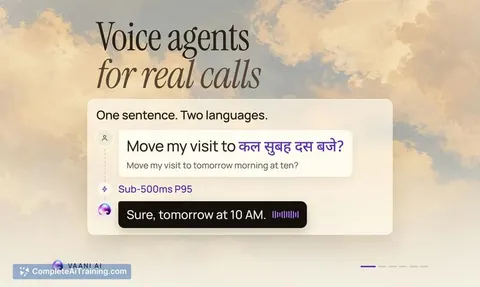
Vaani Developer Platform is a voice AI agent builder that lets users configure, test, and deploy phone-based voice agents without writing code. The platform handles the underlying telephony, speech recognition, LLM orchestration, and tool connections, so teams can design call flows, manage interruptions, and go live on a real phone number. After each call, it extracts structured data fields and a call disposition, removing the need to read full transcripts.
Review
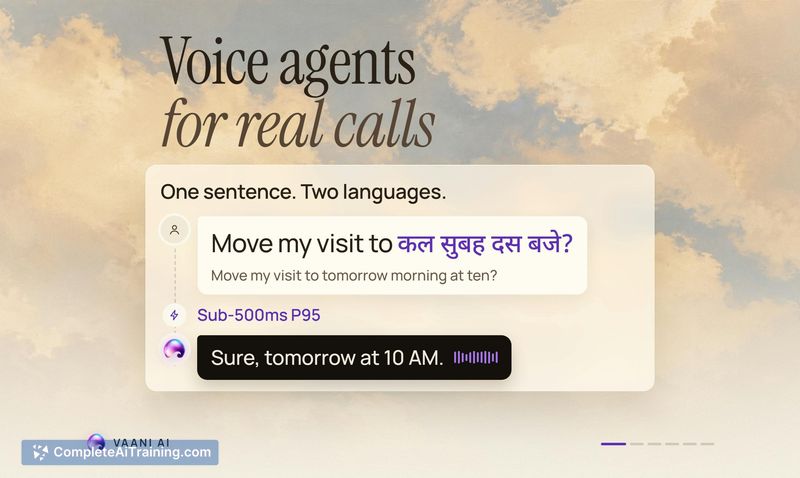
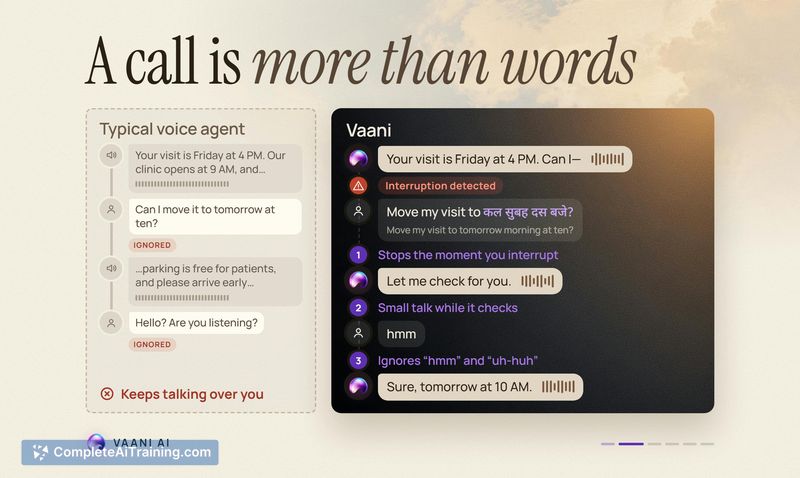
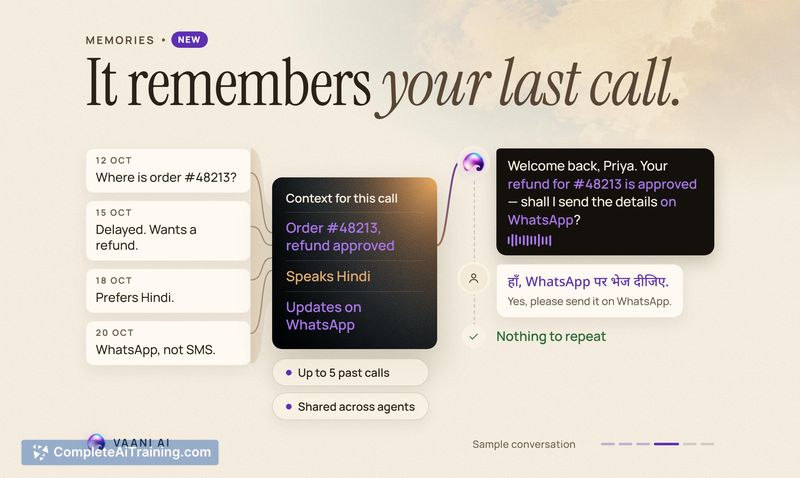
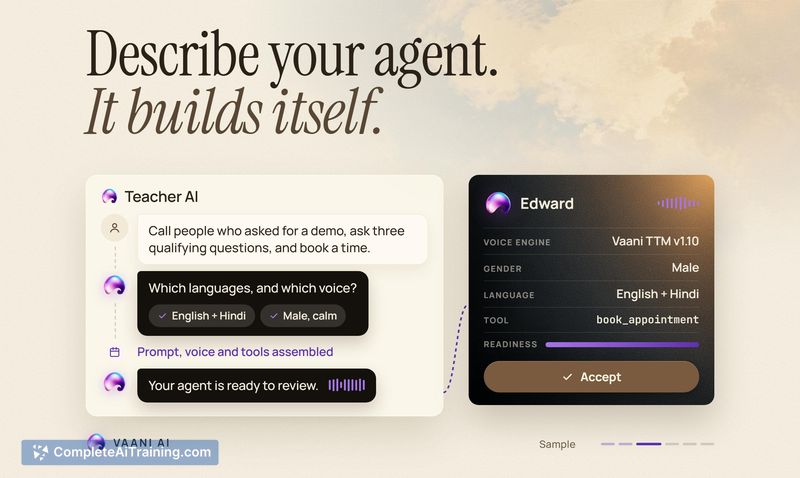
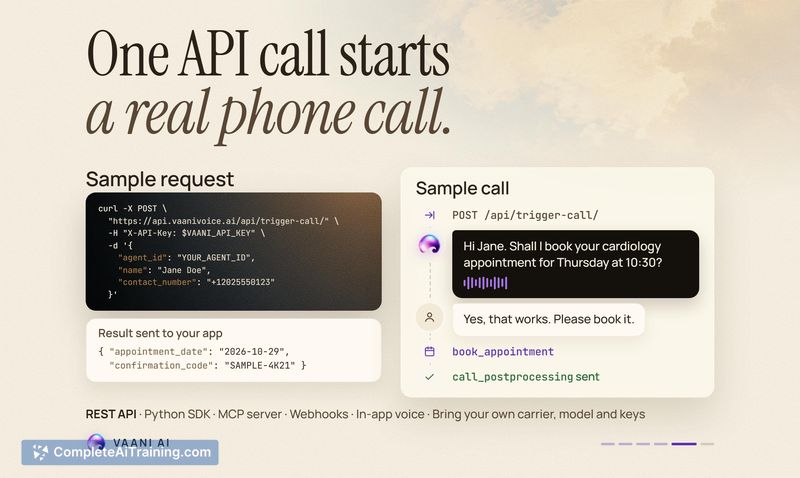
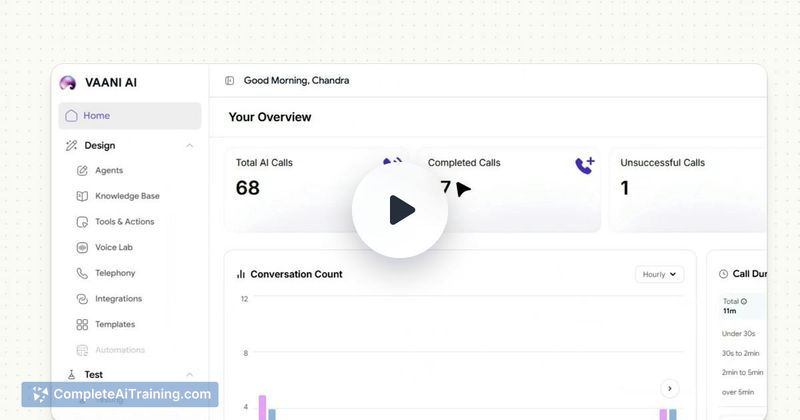
Vaani Developer Platform entered a crowded voice AI space by tackling the integration work that typically slows down deployment. Rather than stitching together separate speech, LLM, and telephony services, users work inside a single configuration environment. The platform's focus on non-English languages and code-switching reflects the team's base in Bengaluru, and early user discussions on Product Hunt surfaced practical questions about handling iPhone call screening, background noise, and mid-conversation language mixing.
Key Features
- No-code call flow designer - Users build voice agent logic, including objection handling, interruption behavior, and edge case responses, through a visual interface without scripting.
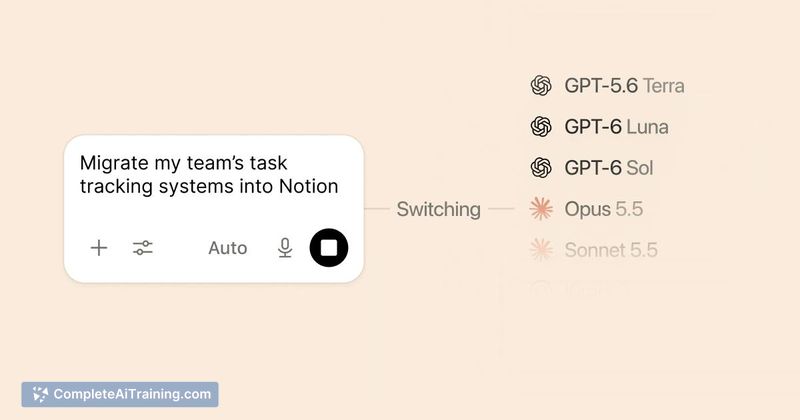
- Multi-model orchestration with failover - The platform runs multiple models during a call and switches to a backup if one fails, preserving conversation context across the switch so callers don't repeat themselves.
- Post-call structured data extraction - Every call produces configured data fields and a disposition outcome. Users can add new extraction fields at any time, and the system automatically pulls that information from subsequent calls.
- Language probability engine - Instead of treating language as a fixed setting, the system treats it as a probability and tracks context across turns to predict code-switching patterns. Users can also lock specific languages when strict control is needed.
- Custom webhooks for call events - Webhooks send updates to a user-specified URL when a call starts, ends, goes unanswered, fails, or gets transferred, enabling direct integration with CRMs and chat tools.
Pricing and Value
The platform operates on a credit-based system. New users who signed up through the Product Hunt launch received 1,000 free credits using the code PHL1000X. No fixed subscription tiers or per-minute rates were disclosed in the available reference material, so ongoing pricing after the initial credits is not yet defined publicly.
Pros
- Removes the need to manually integrate speech, LLM, and telephony components before deploying a voice agent.
- Handles call screening on iPhones, a specific pain point that can cause unintended agent-to-agent conversations and wasted costs.
- Provides close to 150 prebuilt templates across multiple industries and languages, reducing setup time for common use cases.
- Preserves full conversation context even when the underlying model switches mid-call due to a failure.
- Built-in noise cancellation and a proprietary interruption handling model tuned for noisy backgrounds address real-world call quality issues.
Cons
- The platform is not well suited for teams that need deep, code-level customization of individual AI model behavior beyond what the configuration interface exposes.
- English voice agents currently ship with a single accent, limiting options for deployments targeting regions with distinct accent preferences.
- Pricing beyond the initial launch credits remains unstated, making cost projection difficult for teams planning long-term or high-volume use.
Vaani Developer Platform fits teams that want to put a voice agent on a phone line without assembling the infrastructure themselves, particularly those operating in multilingual markets where code-switching is common. The configuration controls for call flow, interruption sensitivity, and post-call data extraction mean non-developers can iterate on agent behavior directly. Organizations with heavy compliance requirements or those needing fine-grained model-level access will find the abstraction layer constraining until more customization options ship.