AI tool
AgentGrid.io
AgentGrid.io is a shared workspace where humans and AI agents collaborate on documents, websites, apps, and designs. It provides version-controlled, agent-agnostic storage so teams can use any AI model on the same live artifacts.
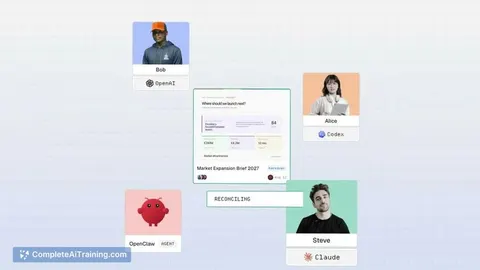
About AgentGrid.io
AgentGrid.io is a shared workspace where humans and AI agents collaborate on live artifacts such as documents, reports, slides, apps, and designs. It presents a shared drive model-described by its makers as "Google Drive for humans, Git for agents"-with Markdown and Git interfaces for agents alongside multiplayer editing for people. The platform is agent-agnostic, compatible with Claude, ChatGPT, Grok Bot, Cursor, Codex, Hermes, OpenClaw, and others via MCP, CLI, and APIs.
Review
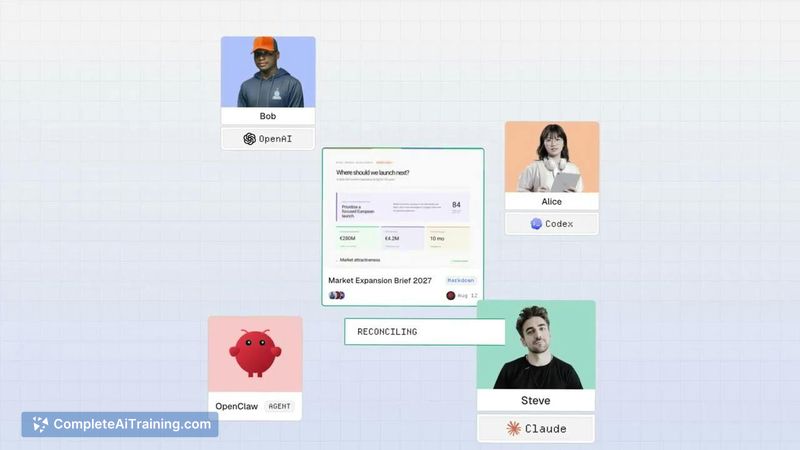
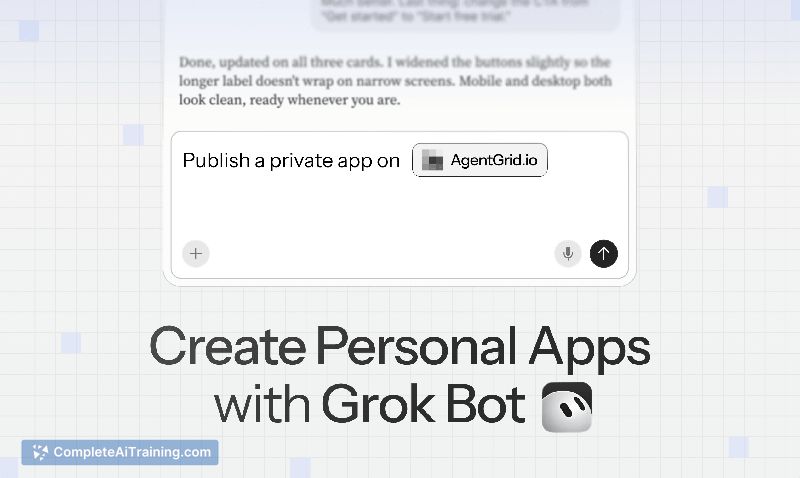
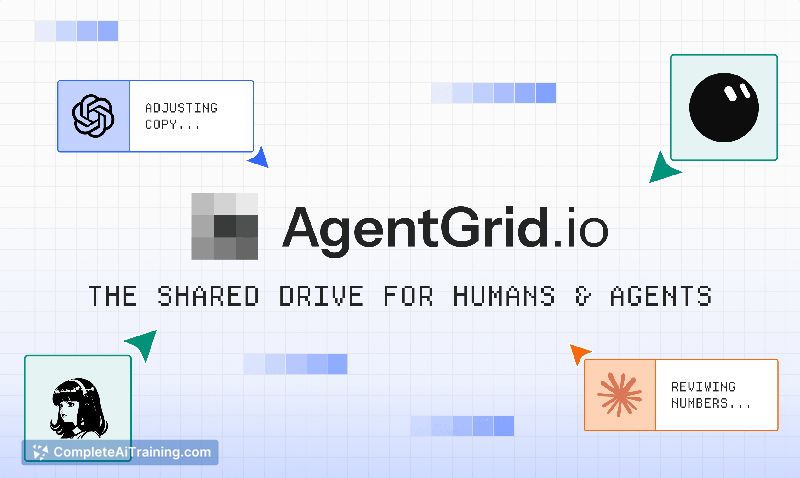
AgentGrid.io enters a space where teams increasingly split work between people and multiple AI agents, but lack a single place to see and manage the outputs. The tool centralizes artifacts that would otherwise stay buried in separate chat threads, giving each document, app, or design a persistent link and structured storage. It also layers on version history and access controls, which matter when several agents and humans touch the same file.
Key Features
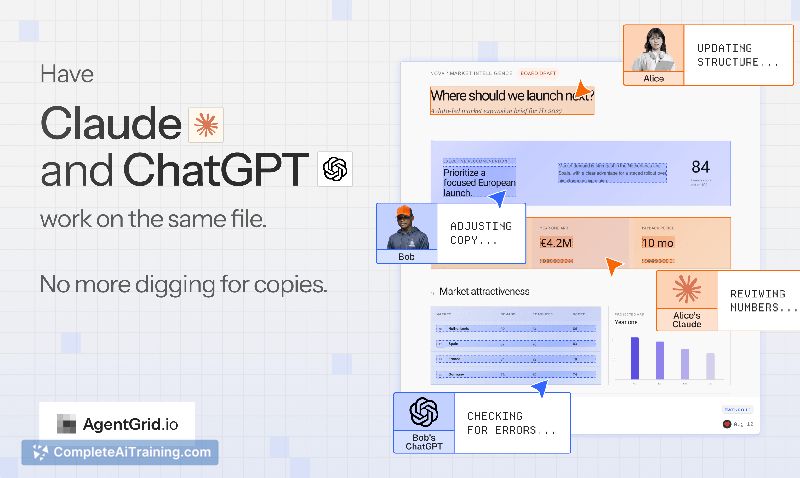
- Multi-agent-human collaboration on the same live artifact-one agent can create a report, another can improve it, and a teammate can edit it manually.
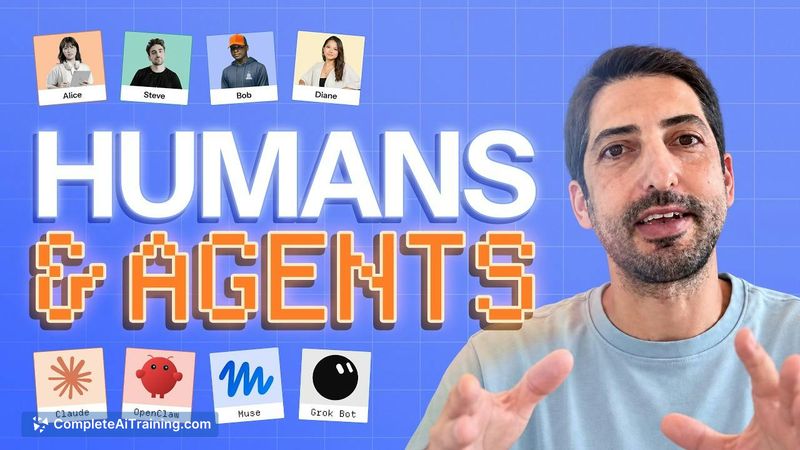
- Agent-agnostic design that works with Claude, ChatGPT, Grok Bot, Cursor, Codex, Hermes, OpenClaw, and other tools through MCP, CLI, and APIs.
- Google Docs-like multiplayer editing for humans, paired with a Markdown and Git interface that agents can read and write.
- Version history and permission controls that track who changed what, allow restoration of previous versions, and limit what each agent can access or modify.
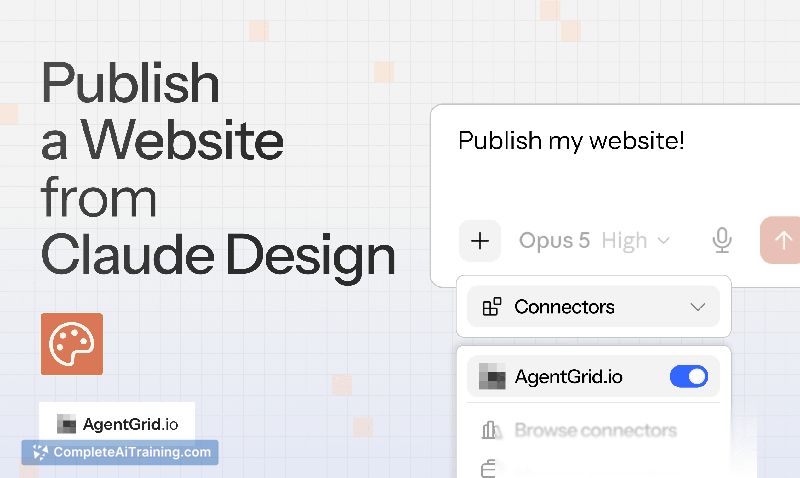
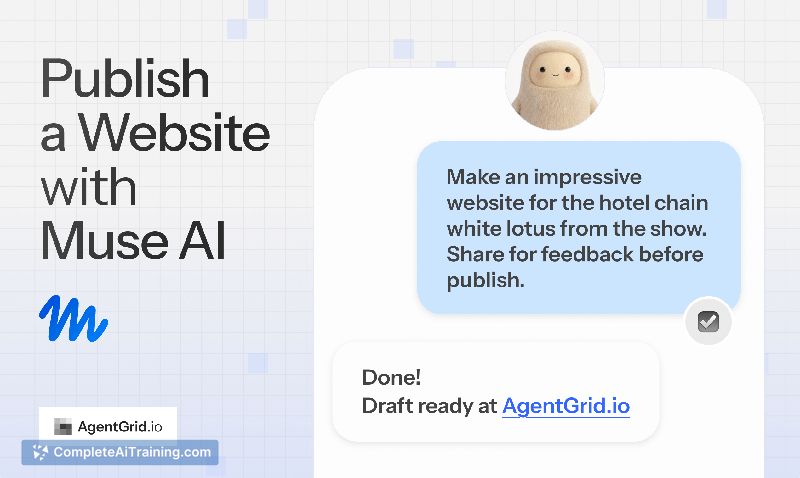
- Import of existing files, websites, and Figma designs, plus the ability to publish HTML/React apps and websites directly from the workspace.
Pricing and Value
AgentGrid.io launched with a free tier that includes unlimited agent seats. The makers have not publicly defined pricing for paid plans or indicated when they will be introduced. At this stage, the only confirmed cost-related fact is that starting is free.
Pros
- Keeps work independent of any single AI provider; artifacts stay with the user even if they switch between Claude, ChatGPT, or other agents.
- Persistent links and structured storage prevent AI-generated work from getting lost in chat histories.
- Version history shows exactly which agent or human made each change, addressing the "which AI version did we actually use?" problem.
- Supports a range of file types and import sources, including Figma designs and existing websites.
- Unlimited agent seats in the free tier lower the barrier for teams experimenting with multi-agent workflows.
Cons
- The tool is not well suited for individuals who work exclusively with a single AI chat and don't need to share artifacts across agents or teammates.
- Pricing beyond the free tier remains undefined, so teams with compliance or procurement requirements can't evaluate long-term cost.
- As a newly launched product, its reliability under heavy multi-agent workloads and its integration depth with all listed agents are still unproven at scale.
AgentGrid.io fits teams that already use several AI agents alongside human collaborators and need a shared, version-controlled space for the outputs. It makes the most sense for founders, builders, designers, developers, and agencies whose daily work produces documents, apps, and designs across multiple AI tools. Solo users or those committed to a single agent ecosystem won't find as much immediate utility here.