
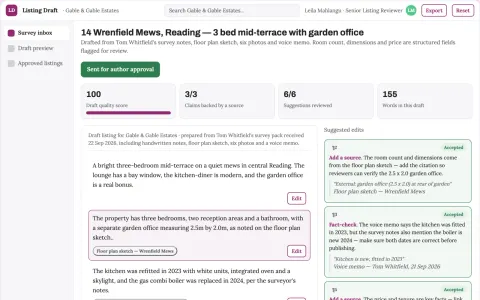
Survey to Listing Draft
Property listings drafted from messy floor plans and handwritten notes, with every uncertain fact held for review.
Build your own version · 2,418 apps
Property listings drafted from messy floor plans and handwritten notes, with every uncertain fact held for review.
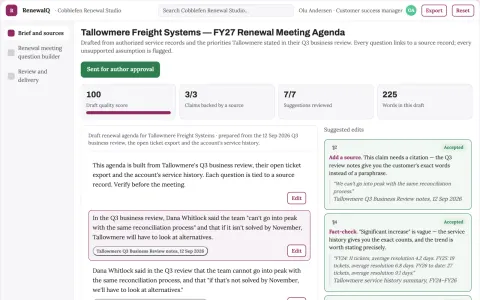
Questions grounded in documented customer experience.
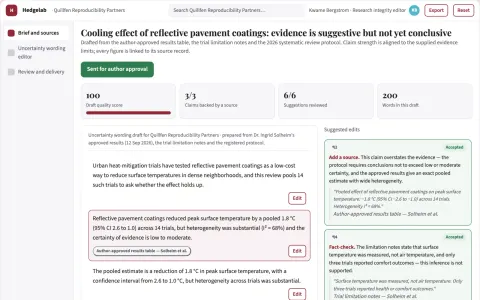
Align language with supplied evidence limits.
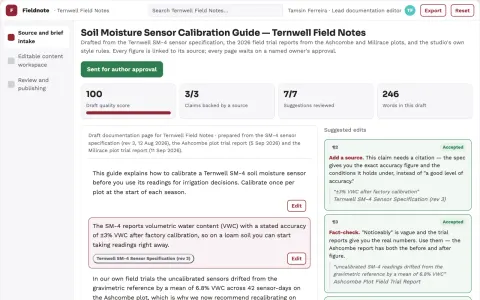
Reduce tool sprawl and manual rework while keeping content, brand and review history in one owned workspace.
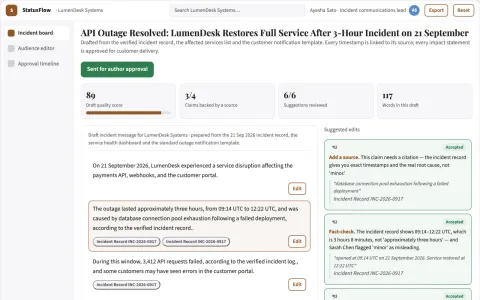
Consistent wording across channels with one verified incident record.
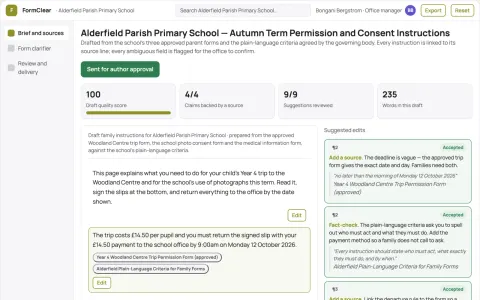
Preserve required meaning while clarifying actions.
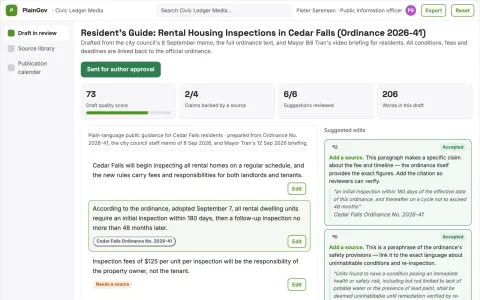
Meaning-preserving simplification with side-by-side policy review.
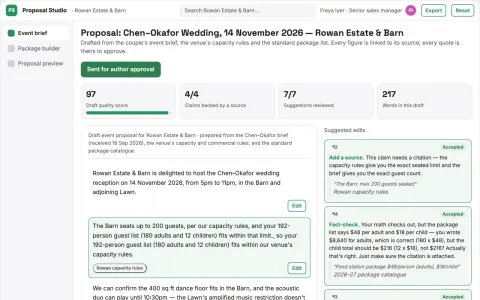
Proposals constrained by actual venue capacity and commercial rules.
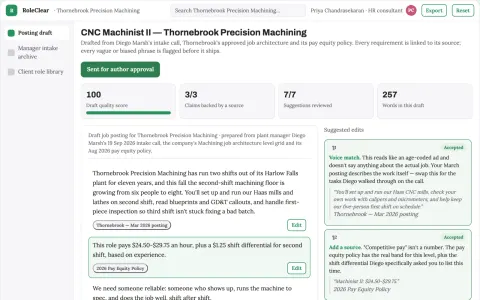
Starts from real work and outcomes rather than generic job templates.
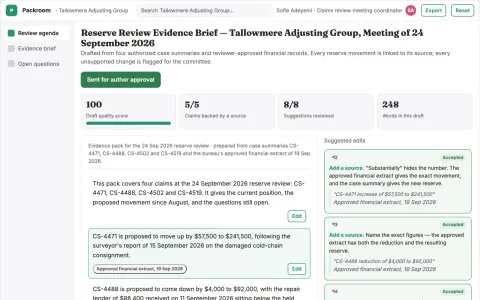
A concise source-linked meeting pack with change history.
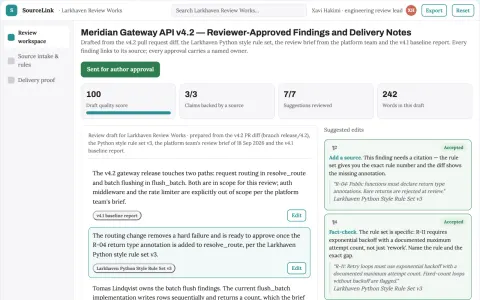
Reduce review cycles while keeping one source-linked record of drafts, code findings and approvals.
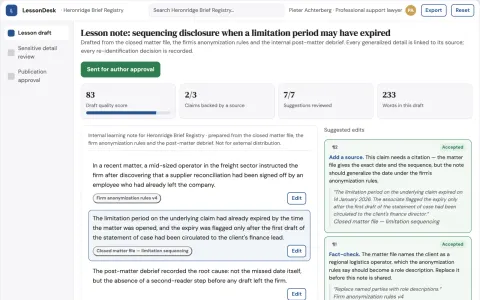
Prepare reusable lessons with explicit re-identification review.
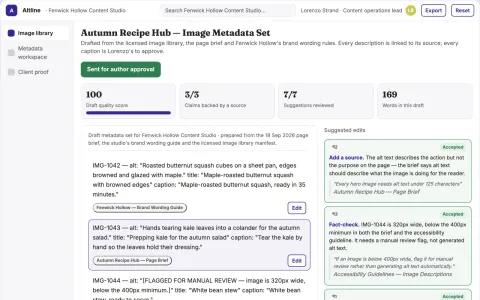
Reduce manual metadata writing while improving search visibility and accessibility.
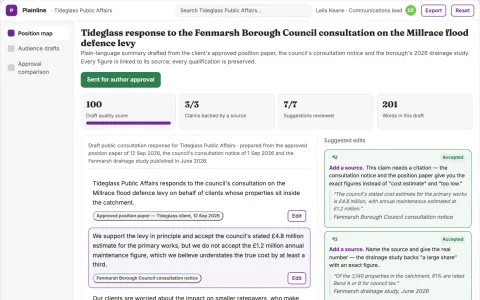
Explain a technical position without changing its substance.
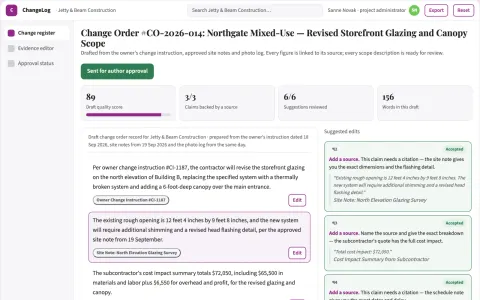
A traceable change narrative tied to instructions and supporting records.
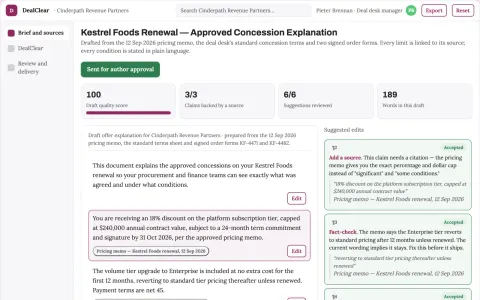
Clear conditions around approved concessions.
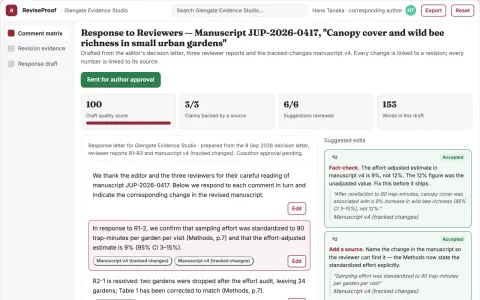
Every response tied to an actual manuscript change or stated rationale.
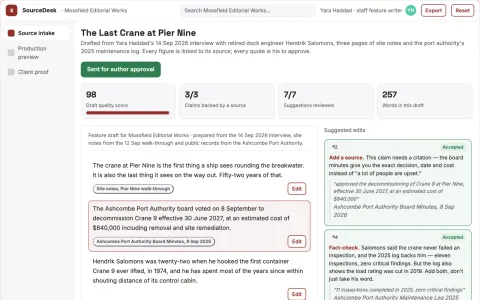
Reduce manual copying between transcription, summarization, drafting and storage while keeping the writer's voice.
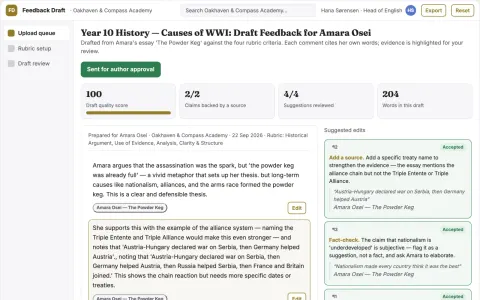
Drafts cite specific evidence from each student's own text, so the feedback is grounded and personal rather than generic.
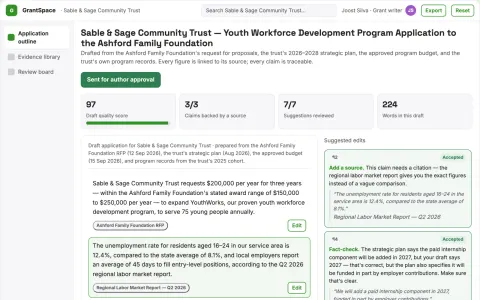
Keeps narrative commitments aligned with supplied plans and budgets.
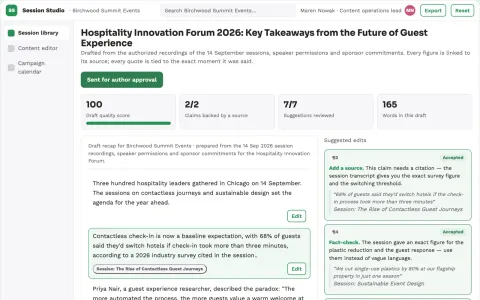
Permission-aware reuse with content tied to actual sessions.
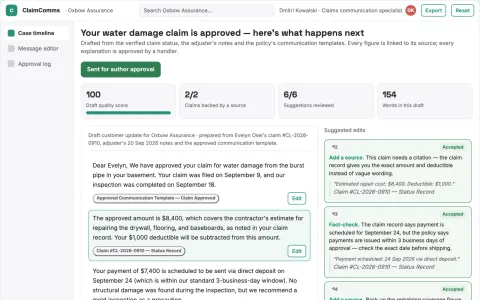
Plain-language updates derived from a single verified case status.
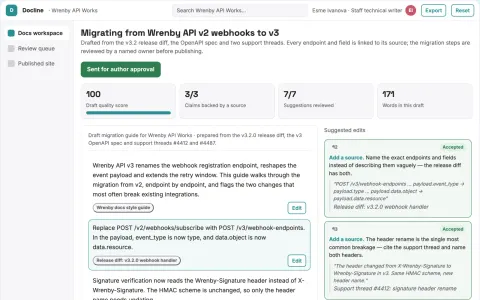
Reduce documentation drift and tool sprawl while keeping human approval over published changes.
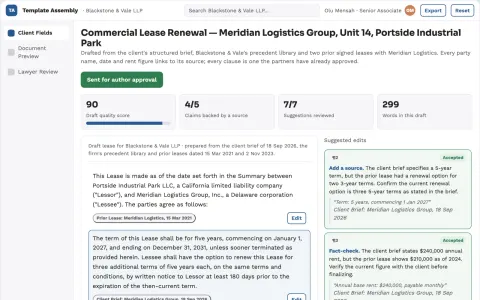
Structured assembly controlled by lawyer-owned templates and rules.