
Prompt course · 8 lessons · 26 prompts · 1 hour · Beginner
AI for Policy Analysts
This prompt course walks policy analysts through eight practical lessons, from understanding issues to presenting findings. You practice prompts you can use in real briefs, interviews, and program reviews.
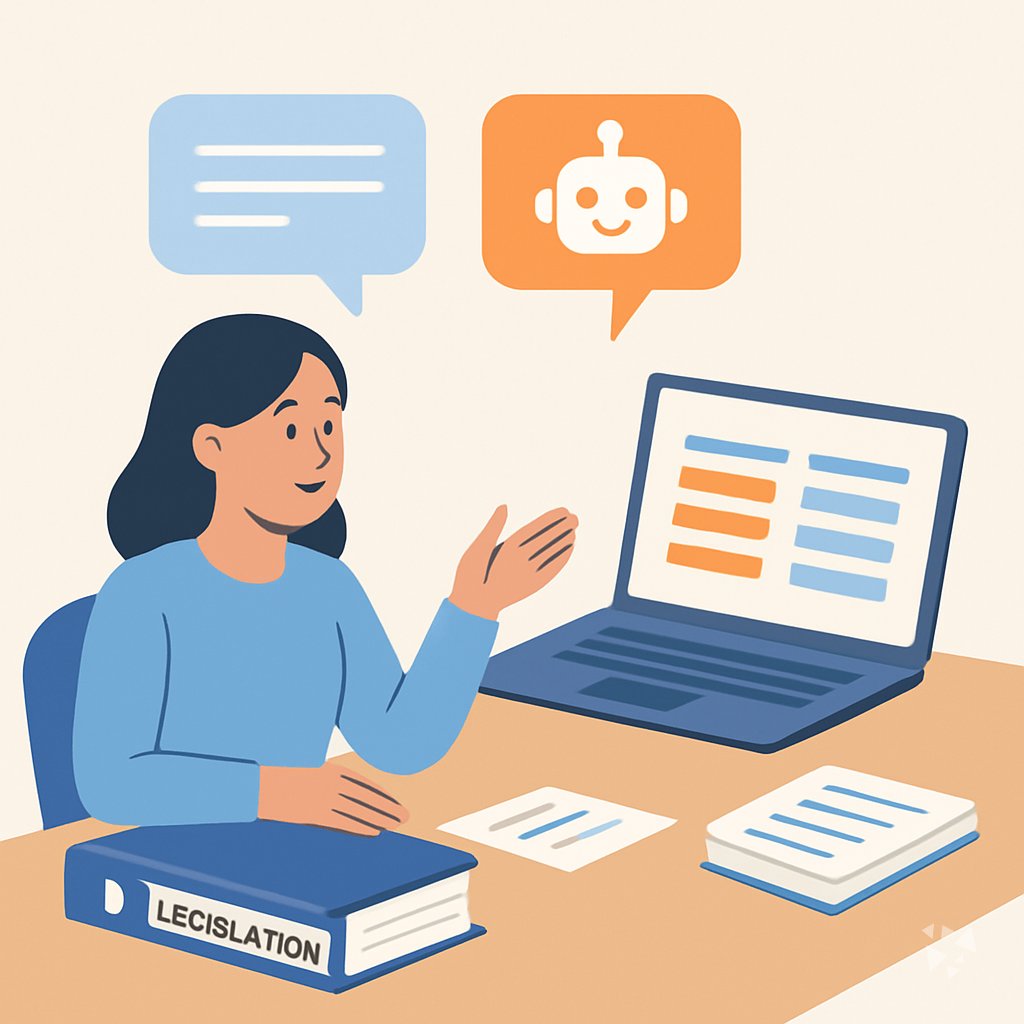
What you'll learn
- Scan issues: Use AI to get up to speed on an unfamiliar policy topic and compare how other places handle it.
- Read legislation: Turn bills and regulations into plain English and spot the differences that matter.
- Plan interviews: Design stakeholder interview guides and turn transcripts into themes, concerns, and quotes.
- Draft briefs: Draft and refine policy briefs for officials, advocates, and the public.
- Check programs: Design evaluations, interpret program data, and set up simple monitoring frameworks.
- Test costs: Structure a cost-benefit analysis and check your assumptions before you share it.
- Present findings: Prepare clear presentations and anticipate tough questions from officials.
- Handle admin: Use AI for routine communication and project admin so you can focus on analysis.
What's inside
8 lessons · 26 prompts- Before you start · framework course SCQA Prompt Framework: Briefs and Memos the Boss ReadsSCQA helps you draft a housing subsidy memo by framing the situation, complication, question, and answer so your director can decide quickly.
- Start here Priya's Thursday, two waysA day in the life of a Policy Analyst, before and after these prompts.
- 01 Lesson 1 · 3 prompts Understanding Policy Issues
- 02 Lesson 2 · 3 prompts Analyzing Legislation
- 03 Lesson 3 · 3 prompts Preparing Stakeholder Interviews
- 04 Lesson 4 · 3 prompts Drafting Policy Briefs
- 05 Lesson 5 · 3 prompts Evaluating and Monitoring Programs
- 06 Lesson 6 · 3 prompts Conducting Cost-Benefit Analysis
- 07 Lesson 7 · 3 prompts Presenting Findings to Officials
- 08 Lesson 8 · 5 prompts Admin and Stakeholder Communication
About this course
7 topicsA Prompt Course for Policy Analysts
Policy analysis is part reading, part listening, part writing, and part checking. This course gives you prompts that support each part without taking over your judgment.
You will work through the lessons in order, using ChatGPT, Claude, or Gemini. Each lesson builds on the last, so you can move from a new issue to a clear recommendation.
The lessons
- Understanding Policy Issues: Use AI to quickly get up to speed on unfamiliar policy topics and compare approaches across jurisdictions.
- Analyzing Legislation: Use AI to break down bills and regulations into plain English and spot key differences.
- Preparing Stakeholder Interviews: Use AI to design interview guides and turn transcripts into themes and concerns.
- Drafting Policy Briefs: Use AI to draft and refine policy briefs for different audiences.
- Evaluating and Monitoring Programs: Use AI to design evaluations, interpret program data, and set up monitoring frameworks.
- Conducting Cost-Benefit Analysis: Use AI to structure a cost-benefit analysis and check your assumptions.
- Presenting Findings to Officials: Use AI to prepare clear presentations and anticipate tough questions.
- Admin and Stakeholder Communication: Use AI to handle routine communication and project admin so you can focus on analysis.
What the Course Covers
Eight lessons follow the arc of policy work. You begin by understanding an issue, move through legislation and stakeholder interviews, then practice briefs, evaluations, cost-benefit analysis, presentations, and routine admin.
Each lesson includes prompts you can copy, adjust, and reuse. The aim is to make the work faster and clearer, not to remove your expertise.
How the Lessons Connect
The lessons are meant to be used in order. A bill summary can feed an interview guide. Interview themes can shape a brief. A brief can become a presentation.
By the end, you have a set of prompts that work together across a project, not just one-off tricks.
How to Use Prompts Well
Give the AI context: the audience, the decision at stake, the limits of the data, and the tone you need. Ask for a short answer first, then go deeper.
Always check names, numbers, dates, and legal language. If the output sounds confident but has no source, treat it as a draft.
Who This Course Is For
This course is for policy analysts, researchers, and advisors who write, compare, and explain policy. It suits people who are new to AI and those who want a more careful method.
You do not need coding skills. You need curiosity and a habit of checking your work.
Safety and Privacy at Work
Policy work often involves sensitive information. Follow your workplace rules about what can go into an AI tool, and never paste confidential material into a public tool without permission.
Keep a human review step for every output. The course shows you how to ask for sources, flag uncertainty, and protect the people behind the data.
Your Next Step
Start with Lesson 1 and bring a real issue you are working on. Try one prompt, review the answer, and note what you had to correct.
Then move through the lessons at your pace. The goal is a steady habit that makes your analysis stronger.