
Learning path
Learning AI as a Policy Analyst
This path helps policy analysts use AI for research, legislation reviews, interviews, briefs, and program checks. You start with setup, connect your AI, then practice prompts built for policy work.

Your path
Everything in the Policy Analyst AI kit, in the order that makes sense. Members tick off each step and see their progress.
Set up your AI
We guide you through each click.
Let skills do your everyday tasks
Connect your apps and pick your AI apps
Hand whole tasks to AI agents
Build your own tools
Keep growing
Everything for policy analysts
All the courses, certifications, AI tools, MCP servers and apps for policy analysts, most relevant first. Open any list to see more.
Take the prompt courses
A short framework course to learn how to ask, then 8 lessons with ready-to-use prompts for policy analysts.
Start with this framework: how to talk to AI
SCQA helps you draft a housing subsidy memo by framing the situation, complication, question, and answer so your director can decide quickly.
Then your prompt course for policy analysts- 1Understanding Policy Issues3 prompts
- 2Analyzing Legislation3 prompts
- 3Preparing Stakeholder Interviews3 prompts
- 4Drafting Policy Briefs3 prompts
- 5Evaluating and Monitoring Programs3 prompts
- 6Conducting Cost-Benefit Analysis3 prompts
- 7Presenting Findings to Officials3 prompts
- 8Admin and Stakeholder Communication5 prompts
Watch the video courses or add them to your Favorites for later
106 video courses our AI picked for policy analysts, most useful first. Save the ones you want to watch later with the heart.
Favorites are saved to your account: sign in or get your AI kit first.
Show all 106 video courses
Get certified, or add certifications to your Favorites
Every course ends in an exam and a certificate you can add to LinkedIn. Save the certifications you are aiming for with the heart.
Favorites are saved to your account: sign in or get your AI kit first.
More certifications for policy analystsShow all 24 certifications
Try the AI tools for policy analysts
24 AI tools our AI matched to the work of policy analysts, best fit first. Each review shows what it does, its alternatives and the jobs it suits.
Favorites are saved to your account: sign in or get your AI kit first.
Show all 24 AI tools
Connect your AI to the apps policy analysts use
MCP servers let ChatGPT, Claude or Copilot look things up and get work done in other apps, like your email, calendar or bookkeeping software. These 12 fit the work of policy analysts best, well-known apps first.

Bing Search MCP server
by leehanchungLets your AI search the web, news, and images through Microsoft Bing while you chat.

Google Search MCP server (AceDataCloud)
by AceDataCloudLets your AI run Google searches for web, images, news, videos, places and maps, and hand you the results.
ResearchNo install
Brave Search MCP server
by braveLets your AI search the web, news, images, and places through Brave Search.

Web Researcher MCP server
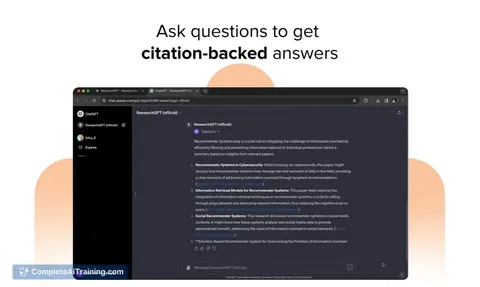
by zoharbabinLets your AI search trusted sites, read full articles, and give you real, clickable sources.

DuckDuckGo Search MCP server
by zhsamaLets your AI search the web through DuckDuckGo and bring back results for you.

Deep Research MCP server
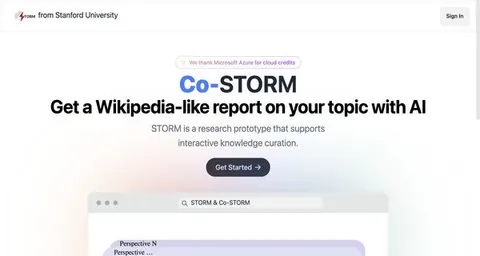
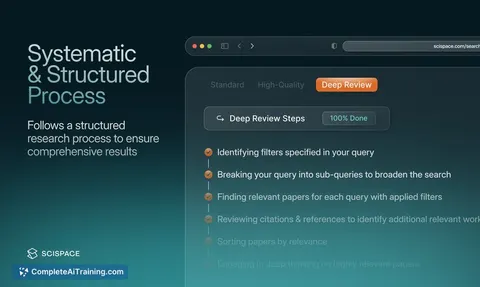
by pminerviniLets your AI run long, multi-step research tasks online and hand you back a written report.
Show all 12 MCP servers

OpenAI Web Search MCP server
by ConechoAILets your AI search the web for fresh information and reason through the results before answering.
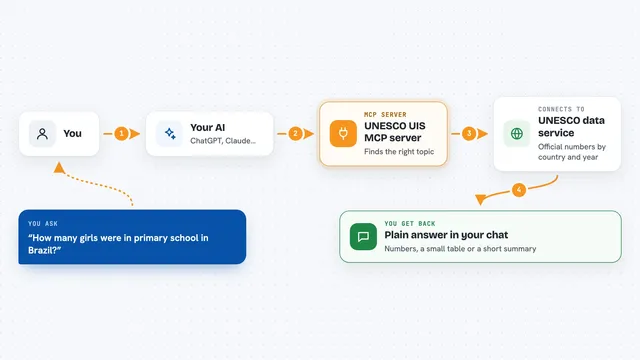
UNESCO UIS MCP server
by SidneyBissoliAsk your AI for UNESCO numbers on education, science, culture and communication by country and year.

LegiScan MCP server
by sh-pattersonAsk your AI to search US state and Congress bills, look up sponsors, and check how legislators voted.

Web Search MCP server
by HughesCuitLets your AI search the web and read pages for you, with no API key or sign-up needed.

GOV.UK MCP server
by paulieb89Lets your AI search GOV.UK pages, read government content, look up organisations and check UK postcodes.
ResearchNo install
StatCite MCP server
by asokoreYour AI can look up official economic numbers with full citations, and check figures it already has.
Build your own AI apps for policy analysts
Apps you build yourself with your own AI, no coding needed and no monthly fee. Our AI picked the 12 that fit the work of policy analysts.
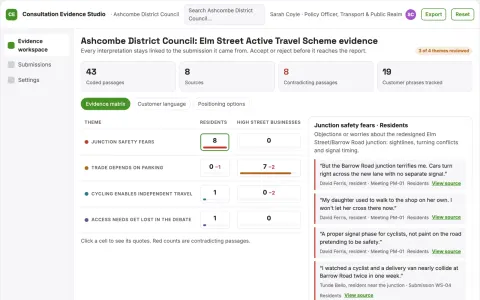
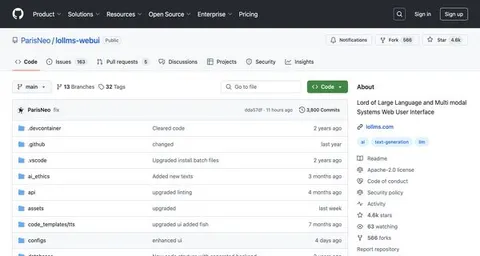
Public consultation analyzer
Auditable synthesis that retains disagreement and source traceability.
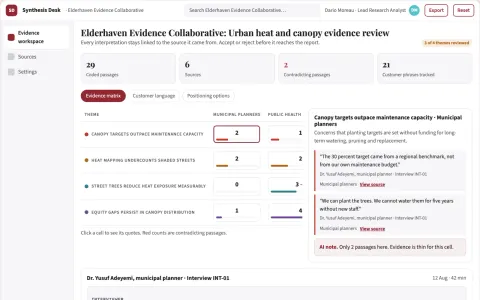
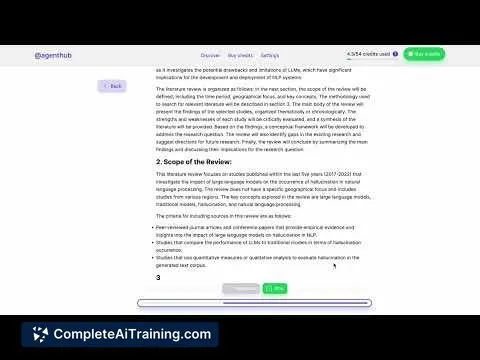
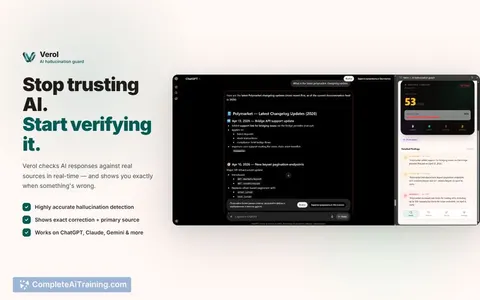
Multi-source research synthesis and reporting workspace
Reduce manual research assembly while keeping every claim traceable to a source.
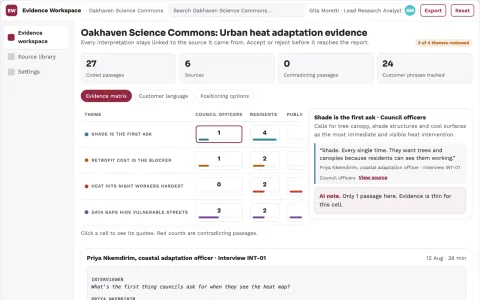
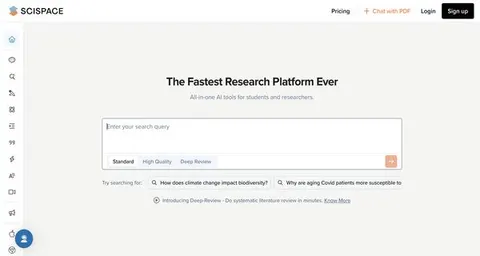
Evidence-backed research and reporting workspace
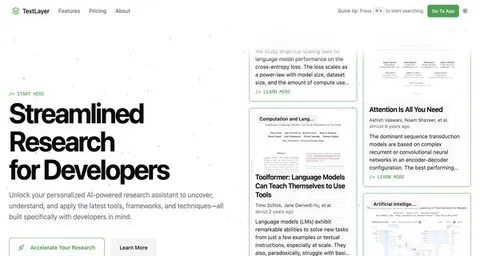
Reduce the time from question to a cited, reviewable report while keeping sources and drafts in one owned workspace.
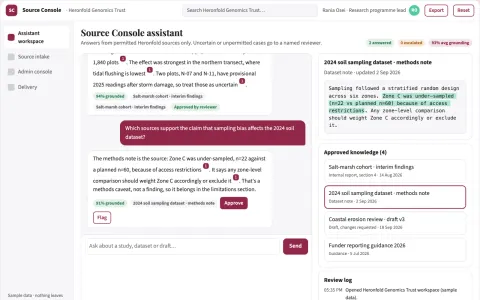
Source-linked research and document assistant console
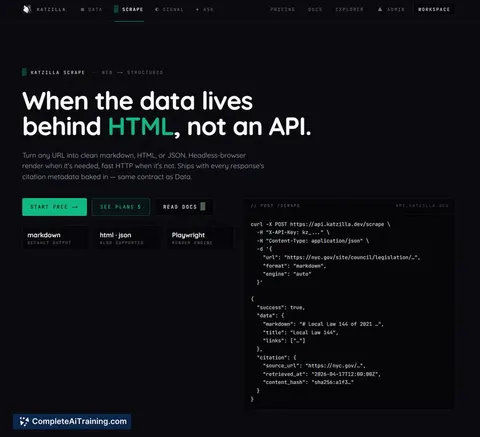
Reduce tool switching and re-checking while keeping every claim linked to a source.
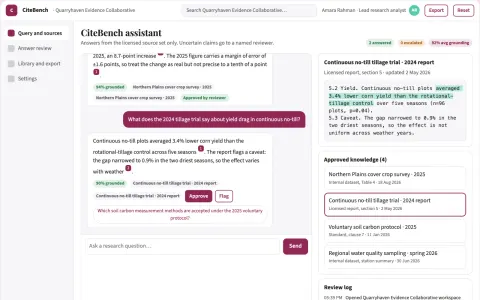
Source-linked research answer workbench
Reduce time spent finding and verifying cited answers while keeping sources and notes in one owned workspace.
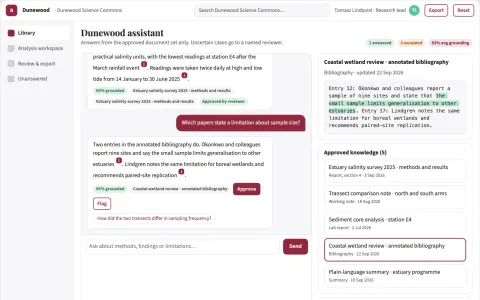
Source-linked document analysis and Q&A console
Reduce reading and review time while keeping every answer traceable to its source.
Show all 12 apps
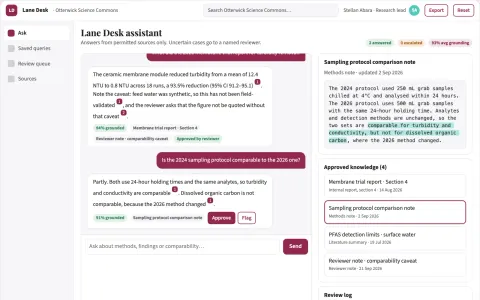
Source-linked research answer workbench
Reduce time spent gathering and checking answers while keeping every claim linked to its source.
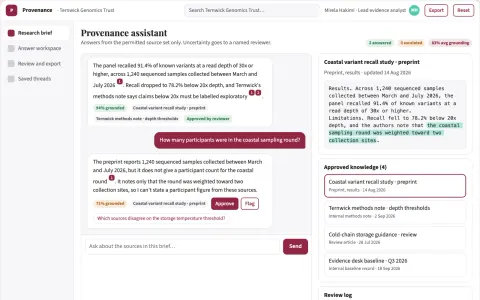
Source-linked browsing research assistant console
Reduce verification time while keeping every answer traceable to its source.
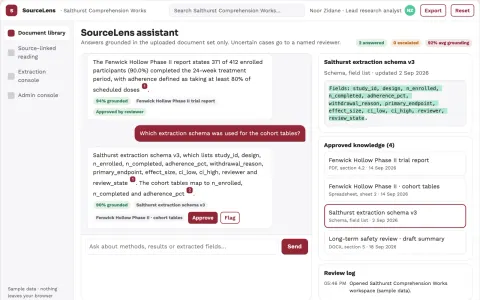
Source-linked document reading and extraction workbench
Reduce time spent locating, reading and extracting document content while keeping every answer linked to its source.
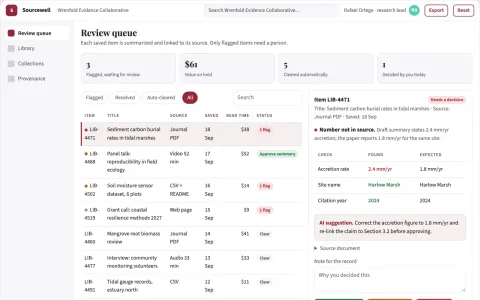
Searchable research library and data stewardship console
Reduce time spent re-finding and re-reading saved material while keeping source provenance and review state attached.
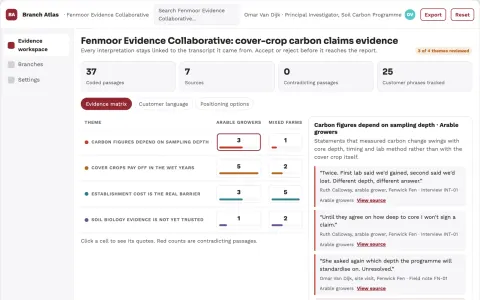
Branching research workspace with cited reports
Keep branching exploration and its evidence in one owned workspace.
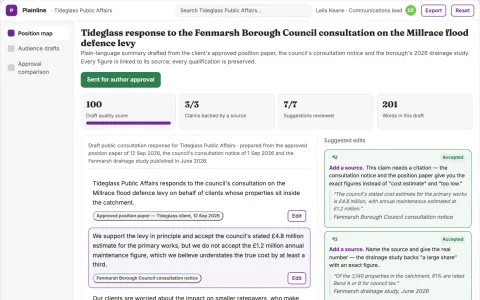
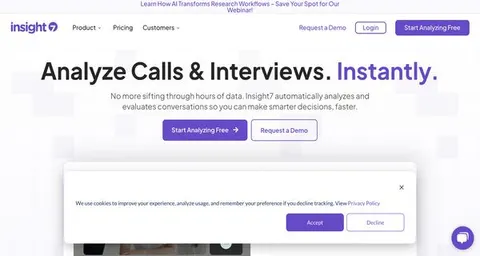
Public consultation plain-language response studio
Explain a technical position without changing its substance.



































About this learning path
6 topicsUse AI Well in Policy Analysis Work
Policy work asks you to learn fast, compare carefully, and explain clearly. AI can help with the reading, drafting, and organizing, while you keep the judgment and relationships.
Start with simple setup questions, connect the AI tool your office allows, then work through prompts and short video lessons made for policy analysts. The path also points to certificates that show you can use these tools responsibly.
Why AI Matters Now
Policy questions arrive with tight timelines and long documents. AI can help you find the main points, compare jurisdictions, and prepare questions before you meet people.
Your value is not typing speed. It is knowing what matters, who is affected, and what evidence is strong enough to act on.
What the Path Includes
The path begins with setup questions and a short guide to connecting your AI. Then you practice skills for the job inside your AI, including issue scans, bill summaries, interview themes, and brief drafts.
You also get this prompt course, video courses chosen for policy analysts, and the certifications offered by those courses.
How It Saves Time
AI can turn a stack of reports into a first map of the issue. It can draft routine updates and reshape a brief for a minister, a committee, or a community group.
The time you save goes back into checking facts, talking with stakeholders, and thinking through trade-offs.
How It Protects Your Career
Using AI well is becoming part of good policy practice. This path shows you how to keep sensitive material safe, cite your sources, and review every output before it leaves your desk.
You learn to be the person who uses the tool with care, not the person who trusts it blindly.
How to Start
Set aside a small block of time each week. Begin with the setup questions, connect your AI in the way your workplace allows, then try one prompt from the course on a low-risk task.
Keep a note of what works and what needs a human check. Small habits add up.
Frequently asked questions
Do I need technical skills?
No. The path assumes you can use a web browser and write in plain language. You will learn how to ask clear questions and check the answers.Can I use AI with sensitive policy work?
Only in the ways your agency or organization allows. The course covers privacy, confidentiality, and what to leave out of a prompt. When in doubt, use public material or ask your supervisor.Will this replace my judgment?
No. AI can help you gather, sort, and draft, but you decide what is accurate, fair, and useful. The path teaches you to review outputs and keep your own analysis at the center.How long does the path take?
You can move at your own pace. Many people do the setup and first lessons in a week, then return for deeper practice as real projects come up.