Anthropic's $1.5b settlement: what it means for working writers
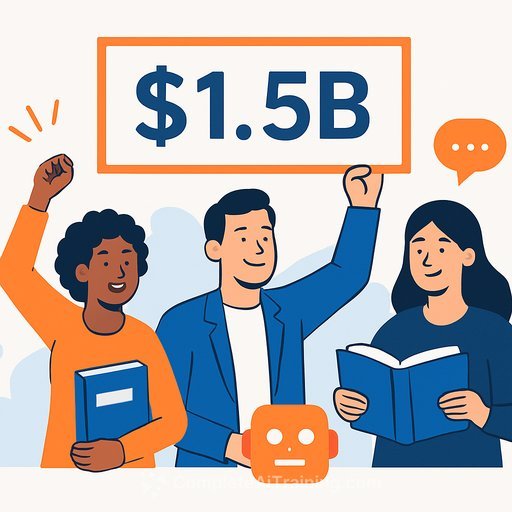
A major AI company has agreed to pay up to US$1.5 billion after using pirated books to train its models. Some authors will get paid. Most won't.
For writers, this is a signal and a checklist. The money is one thing. The system that decides who qualifies is the real story.
What happened
Anthropic AI settled a class action in California over training on books scraped from Library Genesis and Pirate Library Mirror. Payments offered to impacted authors are reportedly US$3000 per title.
Award-winning New Zealand author Catherine Chidgey was notified that Remote Sympathy, The Wishchild, and The Transformation were in the dataset. She welcomed accountability, but called the payout small compared to the years invested in the work.
Commentators point out the settlement didn't answer the big legal question: is training on copyrighted text "fair use"? Instead, the penalty focused on sourcing works from pirate sites. In other words: using stolen copies is punishable; training on legitimately obtained texts remains in play.
Why most writers won't see a cent
The court limited eligibility to books registered with the US Copyright Office. That excludes a huge share of authors worldwide. One estimate suggests roughly 7.5 million books were in the pirated library, but only about 1.5 million may qualify for compensation.
New Zealand's Society of Authors said thousands of local titles were likely scraped, yet only dozens of authors might get paid under the current terms. That gap comes down to registration, not merit.
What this signals for AI training
Expect more deals between AI firms and publishers. Companies want fresh data and will pay (or partner) to get it without legal risk.
Also expect more lawsuits. The immediate message to AI companies is: don't source from pirate libraries or sketchy torrents. But the larger debate over "fair use" and bulk text ingestion is far from settled.
Action steps for authors this week
- Register your books with the US Copyright Office if you publish or sell into the US market. It preserves options in future settlements and legal actions. Start here.
- Keep clean records: ISBNs, publication dates, territories, publisher/imprint, contract clauses, and proof of authorship. Keep a single spreadsheet that lists every edition and format.
- Join your authors' society and stay on their mailing lists for alerts about claims windows and class actions.
- Monitor infringement: set Google Alerts for your book titles + file types (e.g., "epub", "pdf"). If you find illegal copies, file takedown notices with hosts and search engines.
- Add "no AI training" signals where you control the website: robots.txt and meta tags like noai/noimageai. They're voluntary signals, but some platforms honor them.
- Prep a licensing stance: if an AI company or aggregator asks, do you say yes, no, or "yes for a fee"? Align this with your agent or publisher so responses are consistent.
- Track ongoing cases in your main markets. Claims windows can be short, and eligibility rules change by jurisdiction.
The human cost is real
Authors described the experience plainly: years of work lifted and recycled to build products that print money. Some, like Catherine Chidgey, are relieved to see a line drawn. Others, like Rose Carlyle, say the payout doesn't match the harm.
That tension won't disappear. But you can put yourself on the right side of the process: registered, organized, and ready to act.
What to watch next
- Further settlements that refine eligibility, opt-outs, and rates.
- Publishers and collecting bodies brokering bulk licenses on behalf of authors.
- Policy updates in your country. New Zealand's Copyright Act review is moving slowly; advocacy matters.
Helpful links
Your membership also unlocks: