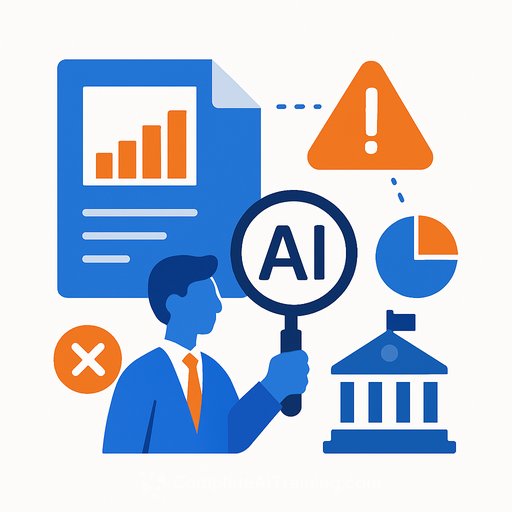
2025 Annual Reports Expose Gaps in AI Risk Disclosure
Companies filing 2025 annual reports are facing increased scrutiny over how they describe artificial intelligence risks and capabilities. The SEC has made combating misleading AI claims-known as "AI-washing"-a priority, and investors need to read these disclosures carefully to separate fact from marketing language.
The 2025 filing year brought new digital requirements. All legal entities must now submit financial statements electronically using Standard Business Reporting (SBR) to the Chamber of Commerce. This standardization changes how financial information flows but also raises expectations for accuracy and transparency across all disclosure areas.
What to Look for in Financial Statements
Start with the basics. The income statement shows whether the company was profitable. The balance sheet reveals assets, liabilities, debt levels, and cash reserves. These numbers matter, but context matters more.
Check the management report for explanations of how new requirements affected costs or operations. Did the company invest additional resources to ensure AI disclosures were accurate rather than promotional? The auditor's report provides independent verification that the statements are fair and comply with regulations.
Red Flags in Risk Disclosures
Vague or generic descriptions of AI risks are a warning sign. In 2025, 72% of S&P 500 companies reported at least one material AI risk. If your company's disclosure is boilerplate language that could apply to any business, the management team may not have thought through actual exposures.
Look for specificity. Does the company explain how AI affects its operations, competitive position, or regulatory compliance? Does it discuss concrete risks like data quality, model bias, or regulatory changes? Detailed risk factors signal serious analysis. Minimal discussion suggests the company is checking a box rather than being transparent.
Examine auditor tenure and recent inspection findings. Frequent auditor changes or repeated deficiencies in regulatory inspections indicate higher risk. A clean, unqualified auditor's report is the baseline for trust.
Comparing Peers and Benchmarking
Review how competitors describe their AI strategies and risks in their own annual reports. The SBR requirement standardizes submission, but quality of disclosure varies widely. Companies that provide meaningful context beyond compliance language stand out.
Check whether sustainability and ESG disclosures are consistent with industry peers. Companies that exceed basic requirements often demonstrate stronger governance and risk management overall.
Practical Steps for Management Review
- Assess whether your company's AI disclosures are specific to your business or generic templates.
- Compare risk factor sections to three direct competitors. Note differences in detail and specificity.
- Review the auditor's report for any qualifications or emphasis paragraphs that flag concerns.
- Check whether the management report explains how new digital filing requirements affected operations or costs.
The 2025 annual report is not just a financial recap. It reflects how well a company understands its risks and communicates them honestly. Managers responsible for compliance, finance, or strategy should treat these disclosures as a stress test for organizational preparedness.
For those overseeing AI governance or financial reporting, understanding how your company compares on disclosure quality is essential. Consider reviewing resources on AI for Management and AI for Finance to strengthen your team's ability to evaluate and communicate AI risks accurately.
Disclaimer: This article reflects analysis of publicly available information and does not constitute investment advice.
Your membership also unlocks: